Elite athletes dominate CrossFit Open 26.3 with loads of up to 61 kg in endurance test
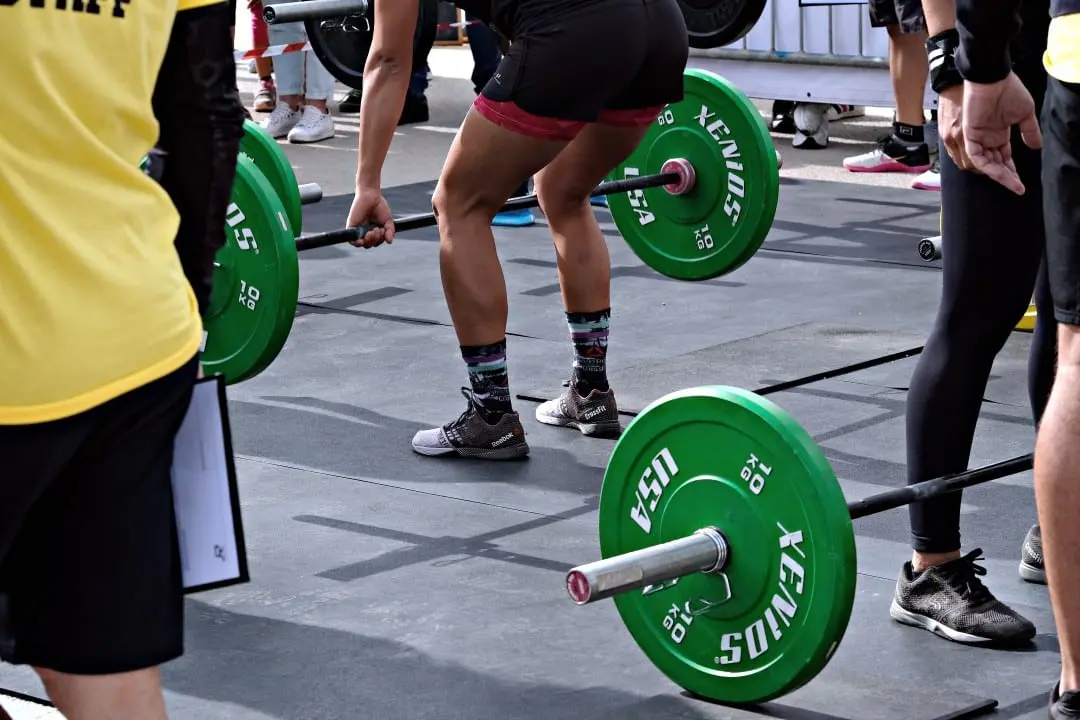
The official announcement of CrossFit Open 26.3 mobilized practitioners and professional competitors in different parts of the world during the last week. The organization revealed a test focused on the extreme combination of brute strength and cardiorespiratory capacity, requiring thorough strategy from participants. Milhares of training centers tuned in to the live broadcast to follow the guidelines of the race that defines the direction of the current season. The event marked another crucial stage in the screening of athletes seeking to qualify for the following stages of the world championship.
Technical structure and load progression in the workout
The dynamics established for this stage involve a strict time limit of 16 minutes to complete six complex rounds. Competitors must manage their heart rate while performing gymnastic and Olympic weightlifting movements under increasing fatigue. Technical precision becomes the determining factor in avoiding invalid repetitions and wasted energy during execution.
O circuito inicia com duas rodadas compostas por 12 burpees saltando sobre a barra, seguidos imediatamente por 12 levantamentos de peso e 12 propulsores. Nesta initial phase, the load stipulated on the equipment is 29 kg for the female category and 43 kg for the male category. The main objective at this stage is to maintain a steady pace without reaching premature muscular exhaustion.
In the two intermediate rounds, the difficulty level increases significantly with the weights increasing to 34 kg for women and 52 kg for men. The final stretch of the challenge requires maximum effort from participants, who must handle bars weighing 38 kg and 61 kg, respectively, testing the resistance of the central nervous system after minutes of high intensity.
Elite women’s performance on official broadcast
The circuit’s unveiling included a practical demonstration led by three important names from the international sporting scene. Danielle Brandon, Arielle Loewen and Olivia Kerstetter entered the arena to set the first global benchmark times. The direct confrontation between them offered a real parameter of the severity of the test for the community.
During the execution, the athletes demonstrated different tactical approaches to dealing with the transition between burpees and barbell movements. Controlled breathing and strategically breaking down repetitions were key to maintaining efficiency. The audience was able to observe the importance of body stability during heavy thrusters under extreme fatigue.
Olivia Kerstetter took the lead of the group after finishing regulation time with an impressive 285 valid repetitions. The athlete maintained an aggressive cadence from the first minutes, supporting the accumulation of lactic acid in the final rounds with the highest loads stipulated by the organization.
Right behind, Arielle Loewen recorded 277 repetitions, while Danielle Brandon ended his participation with 274 completed movements. The numbers achieved by the trio demonstrate the level of conditioning required to be at the top of the world rankings table for this sport.
Olivia Kerstetter’s trajectory and results in sport
At just 20 years old, Olivia Kerstetter consolidates its position as one of the most promising realities in high-performance sport today. The athlete built a solid foundation in the youth categories, accumulating champion titles in the Jogos in junior age divisions before making the definitive transition to the elite. Sua adaptation to the volume and intensity of adult competitions occurred quickly, surprising analysts and coaches of the sport. Performance on the current circuit reflects years of rigorous periodization and focus on developing pure strength combined with applied gymnastics.
The peak of her career to date occurred in the 2025 season, when she reached third place overall in the Games, sharing the podium with established veterans. The mark of 285 repetitions obtained in the recent test reinforces its ability to maintain high performance under media and competitive pressure. Especialistas from the sports sector point out that the combination of youth, refined weightlifting technique and mental resilience places Kerstetter as a strong candidate for the top ranking in the coming years, changing the power dynamics in the women’s category.
Consistency of Danielle Brandon in recent competitions
Danielle Brandon represents experience and constancy within the competition arena, accumulating seven appearances in the sport’s main event. The athlete is known for her excellence in gymnastics events and her ability to recover quickly between stressful events. Sua attendance at the live demonstration served to validate the complexity of the circuit for highly experienced competitors.
The search for the top positions continues to be the central objective of Brandon, which has already achieved fourth place overall in the 2022 Games and repeated the feat in the 2025 edition. The result of 274 repetitions at the start of the season indicates that its physical preparation remains in line with the demands of the elite, keeping it on the radar for the upcoming semi-final stages.
Physiological impact and physical recovery strategies
The combination of burpees, lifts, and thrusters within a 16-minute window creates severe metabolic stress, requiring immediate recovery protocols upon completion of the test. Fisiologistas of sport explain that the rapid alternation between body level changes in floor exercises and the muscular explosion required to move the bar simultaneously recruits the aerobic and anaerobic lactic energy systems. Consequentemente, athletes experience a drastic elevation in heart rate and a significant accumulation of metabolites in the lower and upper muscles. Para To mitigate tissue damage and restore the body’s balance, elite competitors resort to active cooling sessions on exercise equipment, followed by immersion in ice water and immediate replacement of quickly absorbed nutrients. The quality of rest in the hours following the test also acts as a fundamental pillar for the regeneration of the central nervous system, allowing the body to assimilate the training stimulus and return to a state of readiness for the next stages of the international competitive calendar.
Training adaptation for global amateur practitioners
Although official weights of up to 61 kg represent the reality of the elite, the organization offers adapted versions of the circuit to ensure the inclusion of all levels of practitioners. The staggered categories allow the reduction of loads and the modification of complex movements, preserving the original metabolic stimulus of the test without compromising the physical integrity of the participants.
This adaptation structure is crucial to maintaining the engagement of thousands of students in affiliated gyms. Instrutores around the world guide their students to focus on correct mechanics and safety, transforming a world-class test into an accessible and safe personal assessment tool for the general public seeking health and quality of life.
Role of the community in overcoming individual limits
The open competition format transcends the dispute for positions in the ranking, functioning as an element of unity between practitioners. The environment generated during the tests in local gyms encourages mutual support, where the last participant to finish receives the same incentive as elite athletes. Essa dynamics of belonging reinforces the social aspect of the sport, motivating individuals to achieve personal milestones that would be difficult to achieve in isolated training sessions, consolidating the event as an annual milestone of collective overcoming.