Japan decrees unilateral use of oil reserves to contain rising fuel prices
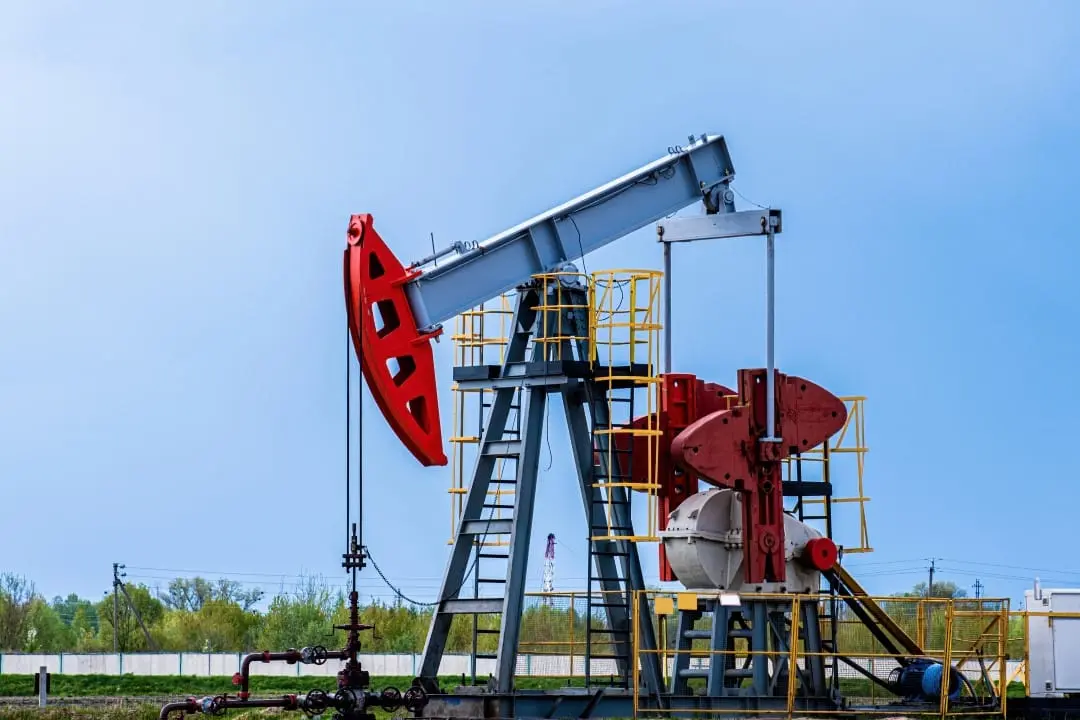
The central administration of the Japanese territory confirmed the execution of an emergency plan to guarantee the national energy supply. From March 16th, the Asian country will begin releasing its strategic crude oil stocks independently. The maneuver takes place without waiting for a joint deliberation by Agência Internacional and Energia, highlighting the urgency of the current geopolitical situation.
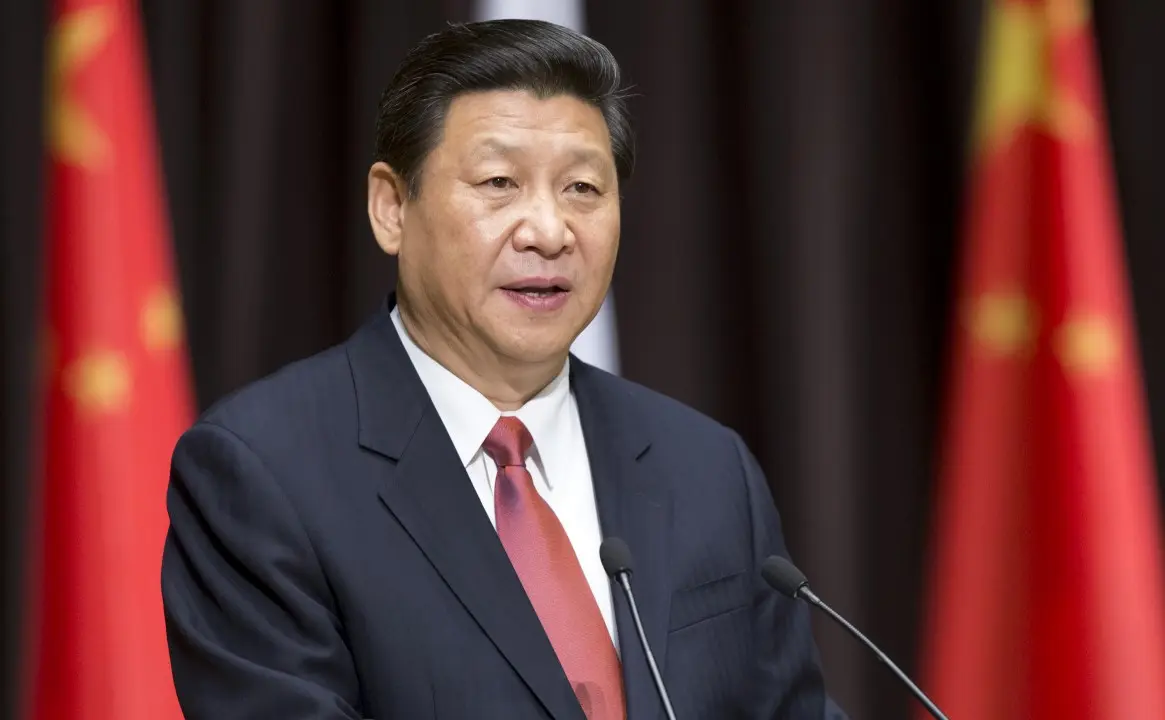
The decision was officially communicated by Prime Minister Sanae Takaichi during a speech held at the official government residence. The trigger for the adoption of this contingency policy is the growing instability in the Estreito and Ormuz, one of the most critical maritime routes on the planet. The effective blocking of the passage of tankers through the region generated a high alert in global supply chains.
Faced with the prospect of an abrupt drop in hydrocarbon imports by the end of the current month, authorities opted for direct intervention. The primary objective is to protect the domestic market against physical shortages and the consequent spike in prices charged at the pumps, establishing strict guidelines for the refining and distribution sector.
Structural dependence on Oriente Médio
The Asian archipelago has one of the most vulnerable energy matrices among highly industrialized nations. Mais of ninety percent of all crude oil consumed by local refineries originates from Oriente Médio countries. Essa commercial configuration places the Japanese economy in a position of extreme exposure to regional conflicts.
The Estreito of Ormuz serves as an irreplaceable logistical bottleneck for the flow of energy commodities. Aproximadamente twenty percent of the entire volume of crude oil traded globally transits through this narrow channel. Qualquer prolonged interruption in this maritime route immediately translates into supply shocks on a planetary scale.
For the Japanese industrial park, the impossibility of safe navigation on this route represents a direct threat to the continuity of manufacturing operations. The absence of viable short-term transportation alternatives forced the executive office to activate maximum security protocols. Historical dependence on Arab suppliers requires quick responses in times of military or diplomatic tension.
The prime minister emphasized that the nation does not have time to wait for multilateral negotiations to unfold. The severity of the scenario requires a proactive stance to prevent the shortage of raw materials from paralyzing vital sectors, from transport logistics to electricity generation in thermoelectric plants.
Financial control mechanisms at pumps
In parallel with the injection of physical volume into the market, the Ministério of Economia, Comércio and Indústria received express orders to contain energy inflation. Minister Ryosei Akazawa was tasked with implementing a system to mitigate extreme variations, using government funds to subsidize the operating costs of distributors. The central goal of this public policy is to lock the average price of gasoline at one hundred and seventy yen per liter at all gas stations nationwide, ensuring predictability for consumers.
This spending cap is not just restricted to passenger vehicles, it extends to other derivatives that are fundamental to the economic system. Diesel, widely used in freight transport, heavy fuel oil, essential for navigation and basic industries, and kerosene, vital for home heating during the colder months, also fall under the umbrella of the subsidy program. The national treasury will cover the difference between international barrel prices and the limit established for retail.
Stock mobilization schedule
Logistics engineering for the release of crude oil will follow a schedule divided into strategic phases. The initial stage foresees the flow of volumes equivalent to fifteen days of consumption, coming from storage facilities maintained by the private sector. Essa first wave aims to meet immediate demand from refineries.
Subsequently, the government will authorize the use of state reserves, designed to cover at least thirty days of industrial processing. The continuous flow of raw materials is designed to avoid any idleness in refining plants, keeping the production of derivatives at normal levels.
In addition to the tanks located on national soil, joint reserves managed in partnership with producing countries will also be activated. Essa multiple mobilization of supply sources demonstrates the capillarity of contingency planning prepared by energy authorities.
Effects on international market volatility
The anticipation of the use of strategic stocks by the Japanese government has implications that go beyond the archipelago’s borders, directly influencing the pricing dynamics on global stock exchanges. By independently injecting massive volumes of additional barrels into the commercial circuit, the country acts as a buffer against the financial speculation that often accompanies severe geopolitical crises. The lack of prior coordination with Agência Internacional of Energia, although atypical, sends a clear signal to the markets that large consumer economies have agile tools to intervene in supply. Especialistas point out that the simple confirmation of this unilateral release has the power to cool the upward momentum in reference futures contracts, such as Brent and WTI. The strategy seeks to break the spiral of apprehension among commodity operators, demonstrating that momentary physical shortages caused by the maritime blockade can be compensated by the efficient management of inventories accumulated over decades of planning focused on national security.
Protection of family purchasing power
At the domestic level, protection against fuel hyperinflation acts as a social defense mechanism. Maintaining the ceiling of one hundred and seventy yen per liter prevents the cost of living from suffering an abrupt shock, preserving the population’s disposable income for the consumption of essential goods and services.
For the production sector, stability in logistics costs avoids passing on extra expenses to the final price of goods on supermarket shelves. Transportadoras and manufacturing industries are able to keep their cost sheets predictable, avoiding the risk of mass layoffs or stoppage of commercial fleets.
Proactive geopolitical positioning
The stance adopted by the Sanae Takaichi administration redefines the Asian nation’s role in global energy diplomacy. By taking the lead in containment actions, the country abandons the traditional caution of waiting for multilateral consensus, prioritizing the unconditional defense of its economic sovereignty in the face of external logistical bottlenecks. Essa pioneering attitude serves as a testing laboratory for other industrial powers that are also evaluating the activation of their own defense mechanisms against the shortage of essential raw materials.
Continuous monitoring of shipping routes
Security forces and intelligence agencies maintain uninterrupted monitoring of the evolution of the scenario in Oriente Médio. The crisis office daily assesses navigability conditions and the risks associated with the transit of merchant vessels in the conflict zone, cross-referencing satellite data and diplomatic reports in real time.
If the obstruction of the canal continues beyond initial estimates, the executive has already signaled the possibility of increasing the volume of reserves released and seeking alternative import routes. The flexibility of the contingency plan allows for quick and precise adjustments, ensuring that the country continues to operate without structural interruptions in its supply matrix and keeping public order intact.