

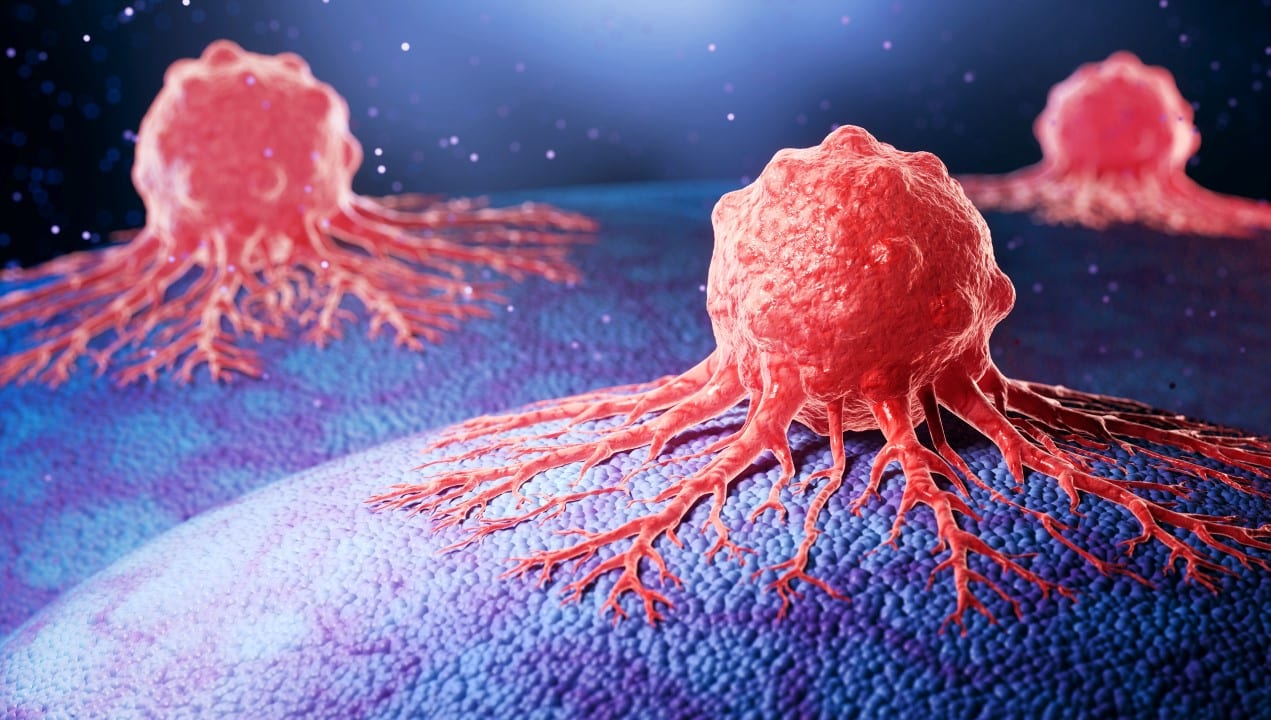
Recent data from Organização Mundial from Saúde indicate that approximately four in ten oncological diagnoses could be prevented through direct lifestyle changes. The adoption of harmful behaviors over the years acts as a silent trigger for the development of malignant tumors in different parts of the human body. Fatores widely known factors, such as the consumption of tobacco products and the intake of alcoholic beverages, are added to elements of modern life, including a sedentary lifestyle and chronic sleep deprivation. The immediate modification of these daily patterns represents the main protective barrier against disordered cell proliferation.
Global impact and the weight of daily choices on health
Global incidence mapping demonstrates that the burden of the disease is growing rapidly in developing countries, where the nutritional transition and rural exodus have drastically changed the population’s routine. The abandonment of diets based on natural foods for industrialized options is directly reflected in hospital statistics recorded in recent years.
Oncology professionals observe a change in the profile of patients entering treatment centers, with a significant increase in young adults presenting with tumors previously associated only with old age. Essa diagnostic anticipation is closely linked to early and continuous exposure to carcinogenic agents present in urban daily life.
Current medical literature consolidates the information that genetics accounts for a minority of cases, varying between five and ten percent of the total. The rest of the probability falls on the environment and the individual’s daily interactions, reinforcing the urgency of public policies aimed at health education and primary prevention.
Mechanisms of cellular aggression by tobacco and alcohol
Inhaling cigarette smoke introduces thousands of toxic chemical compounds into the body, dozens of which have scientific evidence of carcinogenic potential. Essas substances travel through the bloodstream and reach practically all organs, causing failures in the replication process of deoxyribonucleic acid, DNA. Chronic smoking not only triggers lung cancer, which has very high mortality rates, but also compromises the bladder, oral cavity, larynx and esophagus. Interrupting addiction promotes a gradual recovery of epithelial tissue, progressively reducing the risk with each year of abstinence.
At the same time, the metabolization of alcohol by the liver generates acetaldehyde, a highly reactive byproduct that damages cellular structures and prevents the body from repairing genetic errors efficiently. Frequent intake of alcoholic beverages acts as a solvent, facilitating the penetration of other harmful substances into the mucous membranes of the upper digestive tract. Mulheres who regularly consume alcohol also face an increased risk of breast cancer, as the substance interferes with the levels of estrogen circulating in the blood, stimulating the proliferation of hormone-sensitive breast tissues.
The obesity epidemic and the impact of a sedentary lifestyle
Excessive accumulation of adipose tissue is no longer considered just a cardiovascular risk factor to become one of the main drivers of modern oncogenesis. Células of fat are biologically active and produce inflammatory cytokines that keep the body in a constant state of alert.
This chronic, low-grade inflammation creates a highly favorable microenvironment for cellular mutation and the formation of blood vessels that feed potential tumors. Além In addition, obesity is directly linked to insulin resistance, forcing the pancreas to produce greater amounts of this hormone to keep glucose levels stabilized.
Hyperinsulinemia acts as a cell growth factor, accelerating the division of cells that may already have some type of genetic abnormality. Atualmente, excess body weight has a confirmed association with more than a dozen neoplasms, including tumors of the endometrium, kidney, gallbladder and large intestine.
The absence of daily physical movement worsens this scenario, as inactive skeletal muscle stops consuming excess glucose and releasing protective substances into the bloodstream. Exercising acts as a two-way street, helping to control weight and optimizing the functioning of the immune system in detecting abnormal cells.
Food industrialization and the lack of protective nutrients
The contemporary dietary pattern, characterized by the high consumption of ultra-processed products, introduces a high load of preservatives, colorings and flavor enhancers into the digestive system. Carnes processed foods, such as sausages, ham and bacon, contain nitrites and nitrates which, when they come into contact with gastric juice, transform into nitrosamine compounds, strongly associated with gastric and colorectal cancer.
Replacing traditional meals with quick snacks also results in an insufficient intake of dietary fiber, essential for proper intestinal transit. Fibers act as a kind of broom in the intestine, reducing the contact time of feces with the colon wall and diluting the concentration of potentially toxic substances generated during digestion.
Ultraviolet radiation and neglect of skin protection
Unprotected exposure to sunlight, especially during peak radiation times, causes cumulative damage that alters the genetic structure of melanocytes and basal cells in the skin. Sendo the most common type of tumor in the country, non-melanoma skin cancer has high cure rates when detected early, but requires surgical interventions that can leave aesthetic and functional sequelae, making the daily use of sunscreens and physical barriers an essential public health measure.
The role of the circadian cycle and rest deprivation
Chronic sleep suppression interferes with the production of melatonin, a hormone that has antioxidant properties and acts to regulate the cell division cycle during the night. Indivíduos who work at night or who maintain the habit of using light screens until the early hours of the morning disrupt their internal biological clocks.
This destabilization of the circadian rhythm compromises the ability of lymphocytes and defense cells to patrol the body in search of abnormalities. Rest deprivation also increases levels of cortisol, the stress hormone, which in prolonged high concentrations depresses the immune response and favors systemic inflammatory processes.
Mitigation strategies and readjustment of daily routine
The implementation of a routine aimed at reducing oncological risks requires a multifactorial and progressive approach, based on the gradual replacement of harmful behaviors with long-term sustainable practices. Profissionais recommend starting changes with the factors with the greatest impact, following fundamental guidelines: – Eliminação total consumption of tobacco products; – Restrição strict intake of alcoholic beverages; – Prática of one hundred and fifty minutes a week of moderate physical exercise; – Substituição of ultra-processed foods for fresh options; – Uso daily sun protection on exposed areas of the body; – Manutenção of an uninterrupted sleep cycle of seven to eight hours. In terms of nutrition, the transition to a diet rich in leafy vegetables, seasonal fruits, whole grains and legumes provides the phytochemicals necessary to neutralize free radicals produced by daily metabolism. Periodic medical monitoring and screening exams complete the care cycle, allowing the identification of precursor lesions before they evolve into a malignant condition, thus ensuring rapid and highly effective intervention.
The power of prevention in transforming public health
Awareness about the impact of individual choices transcends personal benefit and reaches the sustainability of global health systems. Reducing the incidence of tumors through healthy habits reduces pressure on highly complex hospital networks.
This relief in the system allows financial and technological resources to be directed towards treating unavoidable cases and advancing scientific research. The mass adoption of preventive measures represents the most efficient strategy to reverse the growth curve of oncological diseases in modern society.