

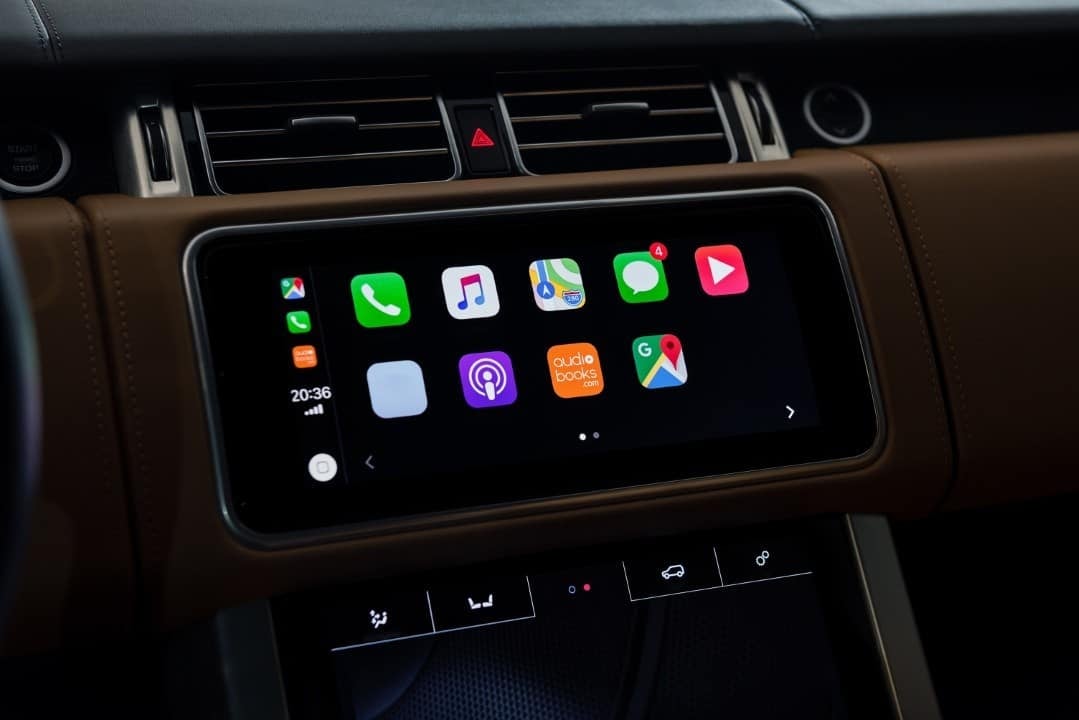
The North American technology company has made the latest update to its operating system available for compatible mobile devices. The software package brings structural modifications specifically aimed at the brand’s automotive mirroring platform, which allows applications to be projected onto the vehicle’s dashboard screen. Cell phone owners who download the latest version will have immediate access to the new features as soon as they establish a connection with the car.
The main purpose of the modifications is to optimize the usability of the panel during urban commutes and long-distance road trips. The manufacturer’s native virtual assistant remains the system’s main voice command interface, operating in conjunction with the new tools implemented. The use of resources occurs fluidly both in connections made through physical cables and in wireless pairings established via Bluetooth and the vehicle’s local internet networks.
The development of this software version focused on two main fronts of onboard entertainment and productivity. The first involves audio curation aimed at the well-being of cabin occupants, while the second opens the ecosystem for integration with conversational platforms based on generative artificial intelligence from third-party companies.
Direct access to tools in the multimedia center
The automotive system interface was restructured to accommodate the new visual elements without compromising the visualization of maps and navigation routes. The developers prioritized the allocation of new shortcuts on the main control screen, allowing drivers to activate functions with a reduced number of touches on the display.
This spatial organization on the dashboard aims to maintain the driver’s attention on public roads, following international road safety guidelines for digital interfaces in vehicles. The arrangement of icons and information blocks automatically adapts to the size and aspect ratio of each car model compatible with the technology.
Arrival of the ambient audio widget
One of the main additions to the mirroring system is the introduction of an interactive block dedicated exclusively to playing ambient audio tracks. The graphic is positioned on the home screen and offers instant access to musical selections designed for different moods and concentration needs.
Using this audio tool does not require contracting monthly subscriptions or paid plans from the manufacturer’s streaming platforms. The service is available completely free of charge to all users who install the update on their cell phone, democratizing access to relaxation content while driving.
To view and use the new feature, the driver simply needs to slide the interface to the general control panel section. The functionality mirrors a capability that had already been introduced in the brand’s cell phones, now adapting the user experience to the interior environment of cars.
Sound benefits for daily driving
The implementation of soundtracks focused on relaxation and focus meets a growing demand for solutions that reduce stress in traffic in large cities. Especialistas in road safety point out that controlled acoustic environments can positively influence driver behavior in situations of intense congestion.
Playlists available in the new interactive block include specific sound frequencies, nature sounds, and minimalist instrumental compositions. The objective is to create an atmosphere of tranquility in the cabin without causing drowsiness or distraction, maintaining the state of alert necessary for the safe operation of the motor vehicle.
Reports from users who tested preliminary versions of the software indicate an improvement in the perception of tiredness during journeys lasting more than two hours. The ease of switching between focus audio and relaxation audio with just a touch of the screen eliminates the need to navigate complex menus while the car is in motion.
The manufacturer plans to expand the catalog of free tracks over the next few months, adding new audio categories based on early driver feedback. The sound material is curated by teams specialized in sound design and cognitive psychology.
Official support for advanced virtual assistants
The software update package establishes the protocols necessary for generative artificial intelligence applications to work natively on vehicle screens. Empresas Developers of advanced conversational platforms now have the right programming tools to adapt their services to the automotive environment. Isso means that complex natural language processing systems can be accessed directly from the car dashboard.
Interaction with these artificial intelligence platforms occurs strictly through voice commands, ensuring that the driver’s hands remain on the steering wheel. The user needs to open the corresponding application on the multimedia center to start a dialogue with the machine. The responses are processed and read aloud by the vehicle’s sound system, allowing complex searches to be carried out, summaries of information and general queries to be carried out during the journey.
Security limitations in the operation of applications
Despite opening the system to third-party artificial intelligence technologies, the manufacturer imposed strict technical restrictions to guarantee the operational integrity of the car and cell phone. Chat apps are not authorized to access or modify vital car functions such as climate control, seat adjustments, telemetry data, or integrated navigation systems. Além Additionally, activation of these virtual assistants cannot be done via background wake words, requiring the driver or passenger to tap the app icon on the screen to initiate audio capture. Essa software architecture was designed to avoid accidental activations and protect the privacy of conversations inside the cabin, ensuring that microphones only transmit data to the servers of artificial intelligence companies when there is an explicit command from the user.
Software installation procedure
Obtaining the new version of the operating system requires the owner to have a cell phone manufactured from recent generations, with active technical support. The installation process is carried out through the device’s settings menu, in the software updates section, requiring a stable internet connection and a battery with enough charge to complete the replacement of system files.
Evolution of the brand’s automotive ecosystem
The strategy of releasing automotive features through specific updates demonstrates a change in the technology company’s development cycle. Instead of concentrating all innovations in major annual releases, the manufacturer opted for a continuous flow of improvements, correcting flaws and adding features as the tools mature.
This software distribution model directly benefits drivers, who receive updates on their dashboards without the need to change vehicles or purchase new physical equipment. The mirroring platform is consolidated as a dynamic system, capable of extending the technological useful life of the multimedia centers present in the current car fleet.
Preparing for video playback when the car is stopped
The source code of this recent update also carries the structural foundations for the future implementation of audiovisual media consumption within vehicles. The technical documentation released to programmers indicates that the system is being prepared to support the reproduction of films and series on car screens, a feature that will be activated exclusively when the car is parked and the handbrake is on.
The definitive release of this video functionality will depend on commercial and technical agreements with vehicle manufacturers, which need to certify security protocols to prevent images from being displayed while the car is in motion. The expansion of the categories of applications allowed on the automotive platform signals that the technology company sees the interior of cars as a new environment for consuming digital content, going far beyond simple satellite navigation and music playback.