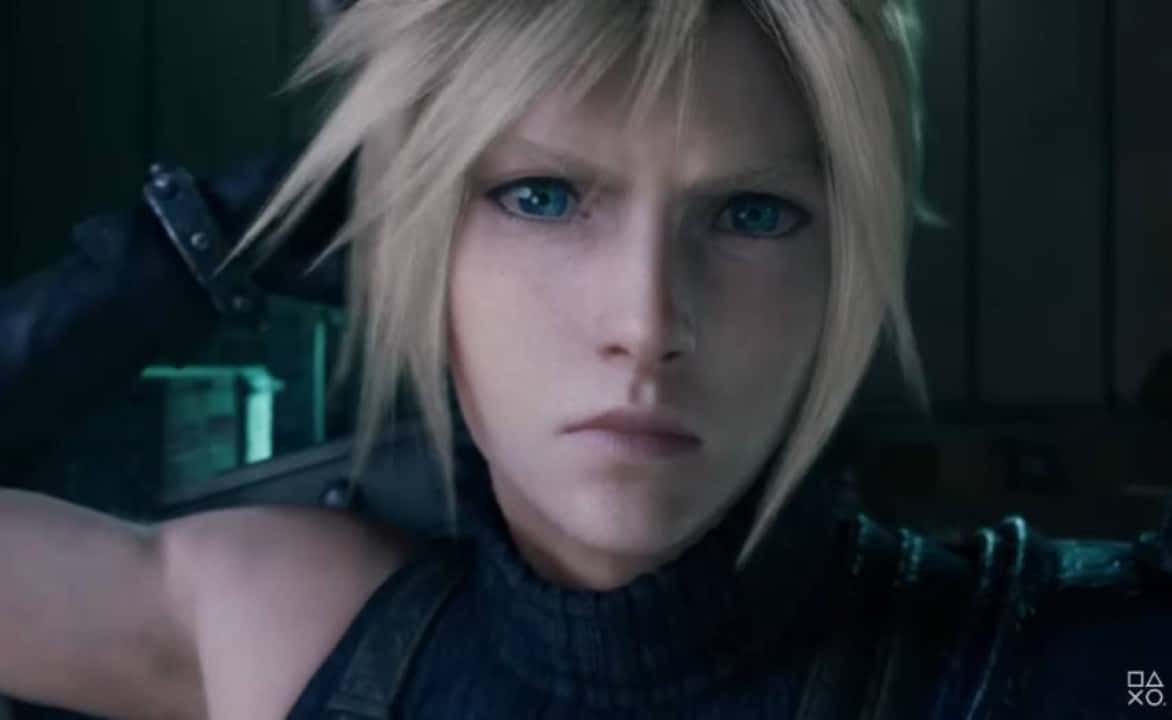
Japanese producer Square Enix has defined a new commercial guideline to conclude the recreation trilogy of its most famous RPG, establishing the simultaneous release of the third game for PlayStation 5, Xbox Series X|S and computers. The decision marks a significant break with the strategy adopted in the previous two titles, which hit the market as temporary exclusives for Sony consoles. The change in stance aims to maximize the product’s reach on launch day, eliminating the hardware barriers that limited the initial player base in previous years.
The move is part of the company’s internal restructuring plan, focused on ensuring the financial sustainability of high-budget projects. Developing AAA games requires massive investment, and being restricted to a single platform during the first few months of sales has proven to be an unsustainable business model for the company’s revenue goals. The new cross-platform approach ensures that the title is available to as many consumers as possible immediately after the source code is finalized.

The transition to this distribution model occurs after internal analyzes of the commercial performance of previous stages of the project. Temporary exclusivity, although it generated lucrative initial licensing agreements, resulted in a fragmentation of the audience and the loss of engagement of a considerable portion of players using other hardware ecosystems.
With the adoption of global and unrestricted launch, the developer projects a recovery in profit margins and a strengthening of the brand in the Western market. The strategy also reflects an adaptation to the current demands of the video game industry, where flexibility of access and availability in multiple digital stores are determining factors for the financial success of large intellectual properties.
Change in the developer’s commercial strategy
The change in the distribution format is directly linked to the company’s recent business plan, which establishes the multiplatform format as the standard for the coming years. The company’s management identified that dependence on exclusivity contracts limited the growth potential of its main franchises, especially in markets where Microsoft’s computers and consoles have strong penetration.
Ending the exclusivity agreement for the third chapter release window allows the marketing team to work with a unified campaign on a global scale. Isso eliminates the need to promote the same game multiple times over different years, optimizing the communications department’s resources and concentrating the sales impact in the first weeks of product availability.
The decision also affects the producer’s historical relationship with hardware manufacturers, establishing a dynamic of commercial independence. By making the end of the saga available simultaneously on all cutting-edge platforms, the company assumes total control over the game’s life cycle, depending exclusively on the quality of the software and the interest of the general public to achieve its revenue projections.
Financial impact of previous exclusives
Market data relating to the franchise’s past releases demonstrated that retaining the game on a single console generated a bottleneck in long-term sales. Quando the computer versions were finally made available, months or years after the original release, the game’s cultural impact had already diminished, resulting in sales figures lower than the brand’s real potential. The total absence of versions for the Xbox ecosystem also represented an unexplored market share that the company is now seeking to integrate into its financial balance sheet.
Pressure from shareholders for more robust results accelerated the implementation of this open distribution policy. The production cost of the third game, which involves creating a vast world and complex systems, requires a return on investment that only a simultaneous release on three different platforms can reliably guarantee. The dispersion of sales among PlayStation, Xbox and PC users creates a financial safety net that mitigates the risks associated with the development of interactive superproductions.
Technical development and graphics engine transition
To enable simultaneous release on different hardware architectures, the software engineering team needed to restructure the studio’s workflow. Standardizing coding processes has become essential to ensure that console and desktop versions exhibit parity in performance and visual quality from day one.
The adoption of cutting-edge graphics engines facilitates code portability between the Sony and Microsoft operating systems, in addition to simplifying optimization for the wide range of components present on the computer market. Ferramentas resolution scaling and frame generation technologies are being natively integrated into the project.
The intensive use of solid state storage drives (SSD) present in current consoles and modern computers allows the elimination of loading screens. Esta technical requirement leveled the hardware needed to run the game, justifying the abandonment of last generation platforms and focusing exclusively on the most recent systems.
The unified development architecture reduces the time spent adapting the game for different platforms, allowing programmers to focus their efforts on eliminating bugs and polishing game mechanics, ensuring a stable debut on all supported hardware ecosystems.
Market expansion and arrival on Microsoft consoles
The inclusion of Xbox Series X|S in the release schedule represents a milestone in the distribution of the franchise, which has historically maintained a distance from the Microsoft platform. The rapprochement between the directors of the two companies in recent months paved the way for the technical integration of the new game into the console’s operating system.
The arrival of the title to this new ecosystem requires the adaptation of controls and the implementation of achievement systems specific to the Microsoft network. The development team works to ensure that the user experience on this platform is identical to that offered on other systems, establishing a new standard for the Japanese producer’s support for Western hardware.
Open-world exploration and new flight mechanics
The scope of the third game requires substantial technical innovations, mainly due to the introduction of the Highwind aircraft, which will allow free navigation across the entire world map. The rendering of high-speed scenarios and the continuous transition between high-altitude flight and terrestrial exploration require massive data processing, which justifies the title’s exclusivity for cutting-edge hardware. The level design team is building a seamless environment where the boundaries between different regions of the planet are eliminated, requiring a highly efficient texture streaming system to maintain visual fidelity without interruptions to gameplay. The implementation of this flight mechanic fundamentally changes the progression structure, transforming the linear experience into a full three-dimensional exploration, which represents the biggest engineering challenge faced by the studio to date.
Industry expectations for the multiplatform launch
The technology and digital entertainment industry monitors the execution of this project as an indication of the viability of the multiplatform model for traditional Japanese studios. The commercial performance of this simultaneous release will serve as a metric for future large-scale productions, setting parameters on consumer behavior when hardware exclusivity barriers are removed from the high-budget gaming market.
