

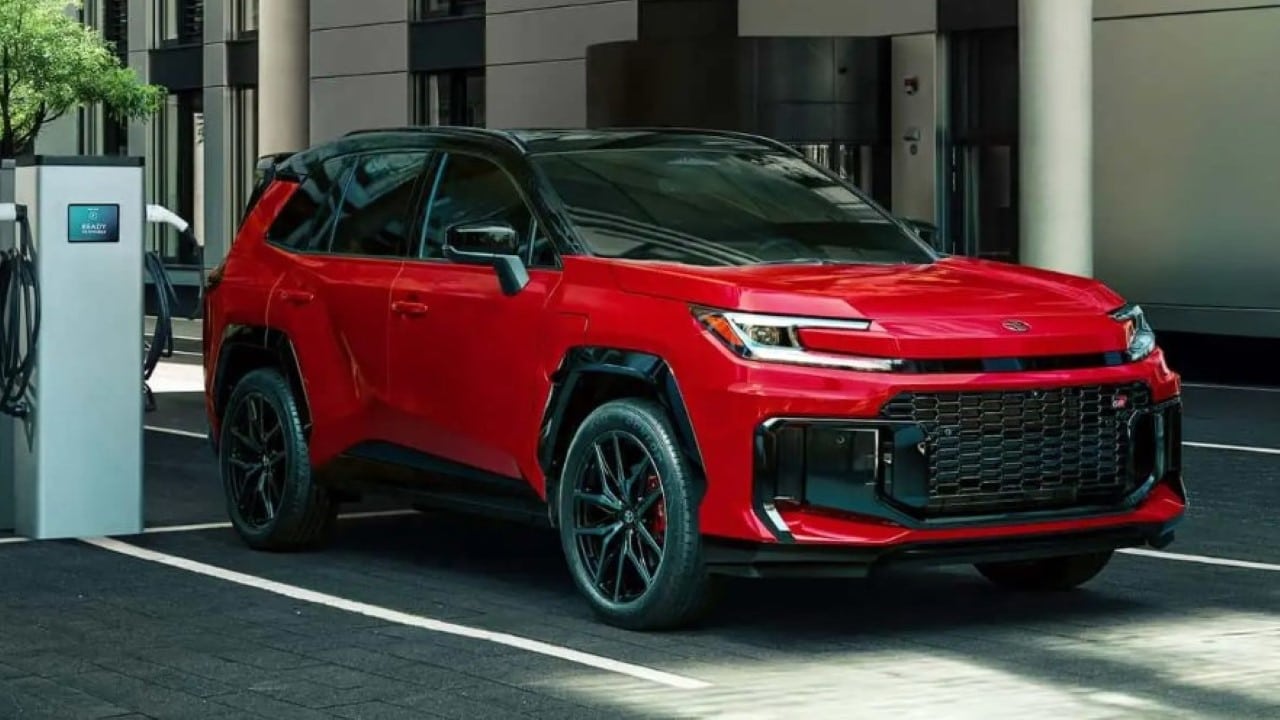
Toyota Motor Corporation has begun the global implementation of its new generation of vehicle infotainment systems, developed in partnership with Panasonic Automotive Systems. The new Toyota RAV4 is the first model to boast this cutting-edge technology, which will be distributed in more than 170 countries and regions around the globe. The official launch began with América from Norte in February 2026, with expansion scheduled for Europa and other international markets to follow.
This platform represents a milestone in the transition to software-defined vehicles, allowing the SUV to receive continuous improvements without the need for dealership visits. The system centralizes critical connectivity, entertainment and driver assistance functions, functioning as an integrated digital brain. Panasonic projects that this solution will establish a new standard of interactivity for drivers, prioritizing fluidity and safety in real time.
The main technological differences of the new system include:
- Function updates via the cloud (Over-the-Air) for security software and systems.
- Deep integration with Sistemas Avançados from Assistência to Condutor for greater protection.
- Intelligent voice interface with cloud processing and high response speed.
- Full support for wireless mirroring of mobile devices and dynamic navigation.
- Full customization of the home screen and authentication of different user profiles.
Integration with the Arene software platform
The new Toyota RAV4 uses the infotainment system as a strategic hub connected to the Arene platform, developed by the Japanese automaker. Essa architecture allows the vehicle to constantly evolve, receiving updates that improve everything from multimedia performance to complex assisted driving features. The synergy between the Panasonic hardware and the Toyota software ensures that the model remains up to date in the face of rapid technological changes in the global automotive sector.
Panasonic Automotive Systems structured a large-scale development system to enable this joint project, focusing on user experience and operational stability. Este movement reinforces the company’s presence in the vehicle software segment, preparing the ground for its future brand transition. From April 1, 2027, the automotive division of Panasonic will be renamed Mobitera Co., Ltd., consolidating its identity as a supplier of smart mobility.

Visual experience and high definition screens
The new SUV’s dashboard design has been optimized to accommodate high-definition screens ranging between 10.5 and 12.9 inches, depending on the version chosen by the customer. The LCD bonding technology applied to the displays eliminates unwanted reflections and improves the clarity of information, even under direct sunlight. Além of the refined aesthetics, the new hardware was designed to take up less physical space, allowing for a cleaner and more modern organization of the central console.
The engineering applied in the development of the components also prioritized the sustainability and energy efficiency of the vehicle. Houve a significant reduction in the total weight of display and processing devices, which directly contributes to fuel savings and range. Essa Energy savings are accompanied by an increase in processing power, ensuring that high-resolution maps and graphics load instantly during your commute.
Comfort and advanced assistance features
The new RAV4’s connectivity goes beyond entertainment, incorporating camera recording capabilities integrated directly into the driver assistance system. Essas features aim to increase active safety, providing accurate records in case of incidents and assisting in parking maneuvers in dense urban environments. Enhanced voice recognition allows the driver to control air conditioning and navigation without looking away from the road, using natural commands.
Users also have fluid integration between the car’s digital environment and their smartphones, with native support for music services and traffic applications. User authentication allows the vehicle to automatically adjust seat preferences, temperature and radio stations once the driver is identified by the system. Tais details transform the cabin into an intelligent and adaptable space, focused on the well-being of occupants on long-distance trips.
Advancement in active safety systems
The vehicle’s electronic architecture has been redesigned to support native integration with ADAS, ensuring that cameras and sensors work in conjunction with the digital dashboard. Isso means that collision alerts and lane keeping assistants are displayed intuitively on the main screen, facilitating quick interpretation by the driver. Panasonic focused on creating an interface that does not distract the driver, but that provides the necessary data at the exact moment of driving.
This level of integration is fundamental to Toyota’s safety strategy, which seeks to reduce the rate of serious accidents in its new models to zero. The IVI system acts as the main point of contact between the car’s artificial intelligence and humans, translating complex data into simple visual guidance. With over-the-air update support, new security protocols and software fixes can be automatically installed, keeping your RAV4 protected from digital and physical vulnerabilities.
Continuous evolution and global technological support
The implementation of this system in 170 regions requires a robust technical support infrastructure adapted to the local regulations of each international market. Panasonic ensured that the platform supports multiple languages and regional mapping systems, ensuring full functionality from American metropolises to European roads. Essa Versatility is one of the pillars that allow the RAV4 to maintain its position as one of the best-selling and respected vehicles in the world.
The transition to the new Mobitera brand in 2027 symbolizes the company’s commitment to the future of autonomous driving and full connectivity. Enquanto the automotive market moves towards electric and connected vehicles, partnerships like this between Panasonic and Toyota become essential for innovation. The new infotainment system is just the first step in a journey that aims to transform the car into an extension of the user’s office and home.
Innovative hardware technology and design
The hardware developed for the RAV4 stands out for its durability and resistance to extreme temperature variations, an essential requirement for global automotive components. The internal structure of the multimedia system uses high thermal conductivity materials to prevent overheating during intense use of graphics processing or GPS navigation. Esse careful physical engineering ensures that the system maintains peak performance throughout the life of the utility, regardless of local climate.
The integrated design aesthetic eliminates unnecessary physical buttons, concentrating the main commands on the touchscreen or multifunctional steering wheel. Essa Visual simplification not only modernizes the RAV4’s interior, but also makes internal dashboard components easier to clean and maintain. The result is an environment that balances technological sophistication with the practicality required by drivers looking for a robust vehicle for daily use or leisure.