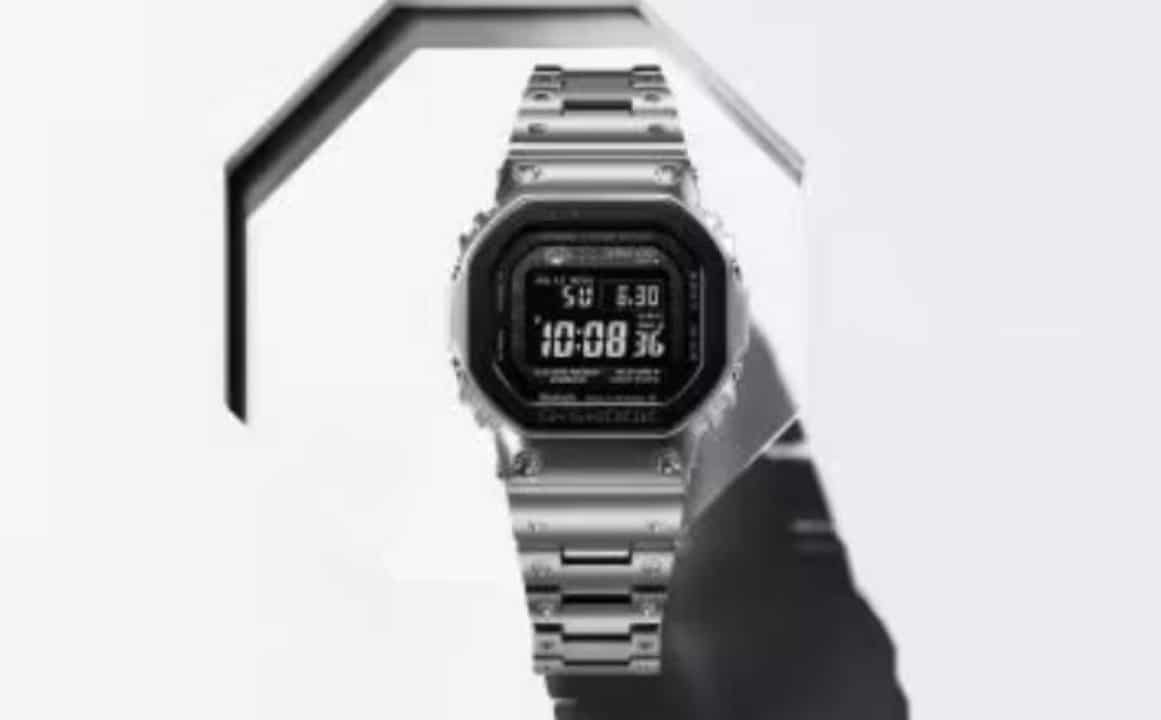
Japanese manufacturer Casio presented the GMW-BZ5000RC-1JR model to the global market, a new iteration of its traditional line of highly durable watches. The device fuses the brand’s classic aesthetic with advanced manufacturing processes guided entirely by computer algorithms and machine learning.
The piece introduces a metal chassis optimized to withstand extreme stress, marking a fundamental technical transition in the production of wrist accessories. The development of the product used a vast database collected during four decades of physical impact, compression and free fall tests carried out by the company.
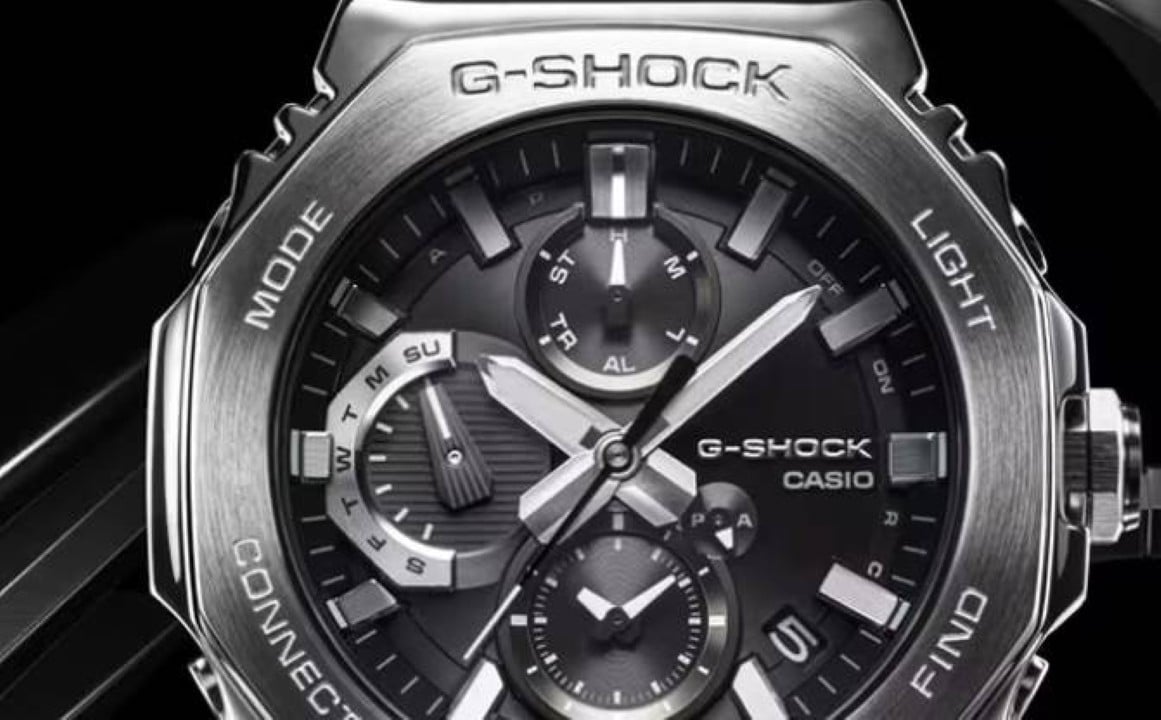
Hardware engineers fed artificial intelligence systems these precise metrics to map points of vulnerability in the stainless steel structure. The practical result is a robust casing that distributes kinetic energy significantly more efficiently than conventional industrial molding methods.
The main features of the new device encompass innovations on different production fronts, including the following technical implementations:
– Aplicação of generative design to restructure the absorption internal chassis.
– Uso of ionic electroplating to create unique visual patterns on each unit.
– Implementação of arc vapor deposition on the main glass dial.
– Manutenção of the original square format that established the DW-5000C series.
Materials engineering and the use of algorithms
The adoption of high-density metals in the manufacture of digital watches meets the demands of consumers who seek durability combined with a sophisticated look. Historicamente, the 5000 series built its reputation using shock-absorbing resins and polymers, materials that ensured the survival of electronic modules in hostile environments. The transition to stainless steel required a complete re-engineering of the internal damping systems, as the metal transfers impact energy much more directly to the sensitive components of the main plate.
The designers needed to create a floating suspension structure that isolated the crystal oscillator and liquid crystal panel from continuous external vibrations. Esse The technological adaptation process required years of research in mechanical stress testing laboratories. The application of artificial intelligence in watchmaking changes the traditional trial and error dynamics, processing simulations of drops from different angles and surfaces in a matter of hours, which speeds up the development cycle and reduces the waste of raw materials during the physical prototyping phase.
Restructuring of the internal chassis
By introducing generative design, the development team was able to overcome the physical limitations imposed by the weight and rigidity of steel. Modeling software analyzed thousands of geometric permutations to find the exact ratio between material thickness and deflection capacity needed to protect the machinery.
Areas of the case that did not contribute to structural integrity were reduced to the millimeter, while the strap’s anchor points received mathematically calculated reinforcements. Essa scientific approach allowed the new model to maintain the compact dimensions that made the original resin version popular, offering superior resistance against accidental twisting and crushing.
The data generated by the virtual simulations indicated the need to change the angle of the watch’s side buttons. The new geometry prevents direct impacts from accidentally triggering functions or damaging internal contact rods, with the perimeter protection specifically redesigned to act as a debris deflecting shield.
Technical specifications of the equipment
The equipment maintains water resistance certification up to 200 meters deep, allowing continuous use in professional diving activities. The airtight seal protects machinery from the ingress of fine dust and moisture, common elements in heavy-duty environments and field operations.
A synthetic sapphire glass covers the digital display, offering maximum protection against scratches and small debris that could compromise data reading. The device is powered by the Tough Solar system, a proprietary technology that converts natural and artificial light into electricity through microscopic photovoltaic panels integrated around the display.
A high-capacity accumulator stores excess charge to keep the watch operating in total darkness for several months uninterrupted. Para ensure absolute timing accuracy, the internal module receives calibration radio waves emitted by six global transmission towers strategically spread around the world.
The system automatically adjusts the minutes and seconds during the night, correcting small natural variations in the functioning of the quartz. Bluetooth connectivity is also present on the main board, allowing time zone synchronization directly with smartphones and facilitating alarm configuration via a dedicated app.
Electroplating process and visual exclusivity
The external finish of the GMW-BZ5000RC-1JR stands out due to the application of a surface treatment known technically as Ion Plating. Este A complex ionic bath process in a vacuum chamber deposits microscopic layers of color on the stainless steel, creating a totally unpredictable multicolored pattern. The manufacturing technique ensures that the distribution of shades on the back cover and bracelet links varies from one unit to another, giving absolute exclusivity to each piece manufactured on the assembly line. Além strong aesthetic appeal, the coating significantly increases the surface hardness of the metal, preventing premature oxidation and wear caused by contact with sweat or abrasive chemicals. The contour of the dial receives an additional arc vapor deposition treatment, generating a rainbow-hued reflection that changes depending on the angle of incidence of ambient light. The printed circuit board also received modifications based on the guidelines of the generative design software, with the microchips repositioned to areas of lower vibration rates of the metal case and welds reinforced with special alloys that guarantee electrical continuity even after severe thermal shocks.
Test protocols in extreme conditions
Validating the resistance of the new model required the creation of more rigorous testing protocols than those used in previous generations of the brand. The watch was subjected to high-speed centrifuges to simulate extreme gravitational forces, ensuring that the LCD display connectors and battery contacts did not move from their original positions.
In climatic chambers, the device faced sudden temperature variations, going from intense heat to freezing in a few minutes, without presenting internal condensation or failure in the logic circuits. Testes of hydraulic compression applied tons of force to the steel chassis to check the material’s elastic deformation limit before structural rupture, while the metal bracelet passed through tensile machines that pulled the links repeatedly to confirm the strength of the fixing pins.
Global distribution and market strategy
The equipment’s arrival on shelves follows a distribution schedule focused strictly on specialized boutiques and high-end jewelry stores. Initial production is restricted due to the complexity of the ionic coloring process, which requires considerably longer curing time in vacuum chambers compared to traditional models.
The Asian market received the first batches manufactured, followed by scheduled shipments to América, Norte and Europa in subsequent months. Interest from collectors boosted demand for the model on the manufacturer’s official e-commerce platforms, transforming the watch into an item with high added value in the secondary market for luxury accessories.
Innovation in precision manufacturing
The successful implementation of algorithms in the creation of complex metal structures signals a shift in industrial processes for consumer durables. The ability to reduce material weight without sacrificing mechanical strength offers logistical and environmental advantages for assembly lines, with other engineering divisions already observing the practical results of this project to apply similar technological solutions in the manufacturing of medical equipment and high-precision automotive components.