

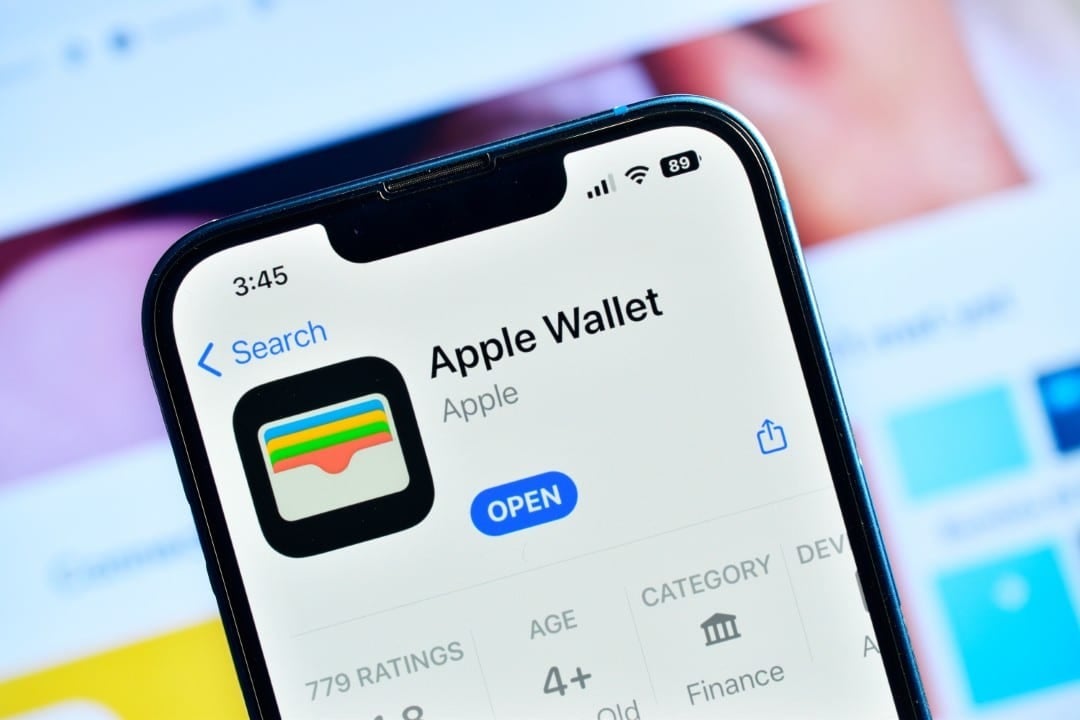
iPhone users have become targets of a new scam that spreads quickly through text messages and phone calls. Criminals send fake fraud alerts to Apple Pay to create urgency and convince victims to contact provided numbers. Once on the call, scammers pretend to be investigators or technical support and guide people to make transfers or withdrawals to accounts considered safe. The main objective is to obtain direct authorization from the victim for financial transactions that empty bank accounts.
The scam gains credibility because fraudsters use personal data that makes the conversation more convincing. Vítimas report receiving texts about suspicious charges at Apple stores or declined transactions. When calling the indicated number, they are answered by someone who claims to work in security agencies or in support of Apple. In one documented case, a person almost transferred 15 thousand dollars after being instructed to withdraw the amount in cash, but the bank teller noticed the inconsistency and stopped the action.
- Unexpected Activity Text Messages to Apple Pay
- Requests to immediately call a provided number
- Pressure to act quickly to protect money
- Instructions for transferring funds via Apple Cash or gift cards
Digital security experts note that Apple never sends unsolicited messages asking for telephone contact or the provision of confidential data. Departamento of Assuntos of Consumidor reinforces that any true alert about fraud appears directly in the Wallet application or on the device, without directing to external links. Scammers exploit the fear of financial loss to reduce victims’ thinking time.
How the Apple Pay scam works
Criminals initiate contact with texts that simulate official notifications from Apple Pay. Essas messages mention attempted purchases for high amounts or accounts temporarily blocked for security. The text includes a phone number and directs the victim to call to confirm or resolve the issue. When answering the call, the scammer poses as a fraud agent or authorized support and asks for details to verify identity.
During the conversation, fraudsters request verification codes or direct the victim to access the banking app while they remain on the line. Eles claim the money needs to be moved to a protected temporary account until the investigation is over. In some reports, victims receive instructions to withdraw large amounts in cash or send money via payment apps. Once the transaction is authorized by the victim himself, recovering the resources becomes extremely difficult.
Scammers maintain a professional tone and create a sense of authority to prevent the person from hanging up or consulting official sources. Eles may mention information such as name, address or partial account details to increase trust. The entire process aims to make the victim perform the transfer steps on their own.
Clear signs that indicate attempted fraud
Any text message about suspicious activity on Apple Pay should be treated with immediate suspicion. Apple does not use SMS or iMessage to request support calls or share passwords. Usuários who receive these alerts need to check directly on the Wallet app or on the official website of Apple without using links or numbers provided in the message.
- Presence of urgency to act within a few hours
- Requests for passwords, verification codes or bank details
- Guidance on lying to the bank or making quick withdrawals
- Use of telephone numbers other than official Apple channels
Experts recommend completely ignoring the content and deleting the message. Qualquer question must be resolved by accessing account ID Apple through the device or official website. Instituições Bank employees also advise customers to never share authentication codes during calls not initiated by them.
Recommended measures to protect accounts and devices
iPhone users should enable two-factor authentication on ID Apple and regularly monitor active sessions on the account. It is important to review the Wallet application to identify added cards or unknown transactions. Qualquer Suspicious activity requires immediate change of passwords directly on official channels, without following instructions in received messages.
Banks and cybersecurity experts suggest that potential victims contact their financial institution through known channels before making any moves. Manter Updated iPhone operating system helps block known vulnerabilities. Evitar Clicking links in unsolicited messages reduces the risk of installing malicious software.
Recent cases and patterns observed in false alerts
Reports indicate that the scam has intensified in recent months with variations in the texts sent. Algumas messages mention specific purchases at Apple Store stores or attempted transactions worth between hundreds and thousands of dollars. Scammers adapt their speech according to the victim’s reaction to maintain control of the conversation.
In documented situations, victims were instructed to buy gift cards or transfer amounts via Apple Cash to accounts controlled by criminals. The common pattern involves a combination of an initial text message followed by an aggressive call with time pressure. Autoridades highlights that Apple does not request actions through these means and recommends reporting suspicious messages to the appropriate channels.
Practical tips to avoid falling into similar traps
Always check the source of notifications directly on the device to avoid unnecessary surprises. Manter strong and unique passwords for bank accounts and Apple ID adds an extra layer of protection. Usuários should educate family members about these patterns to reduce collective risk in family groups.
The periodic review of bank statements allows you to identify unauthorized transactions more quickly. Evitar Sharing any code received via SMS or email during suspicious calls prevents unauthorized access. Especialistas reinforce that the best defense is to pause the conversation and consult official sources before taking any financial action.
Official guidance on contacting support
Apple advises that all legitimate support be initiated by the user themselves through the Suporte application or the official website. Nenhuma unsolicited message should be considered valid for external contact. Instituições financial companies follow the same principle and never ask for sensitive data over the phone without the customer having initiated the call.
Users who fall for the scam must change passwords immediately and monitor accounts for at least 30 days. Denúncias to consumer authorities and banks to help map the scope of fraud and protect other users. The combination of caution and direct verification significantly reduces scammers’ chances of success.
The scam remains active and targets users in different regions through coordinated campaigns. The speed of dissemination occurs because many recipients react to fear of financial loss without verifying authenticity. Manter Updated digital security habits represent the main form of protection against this type of threat.