

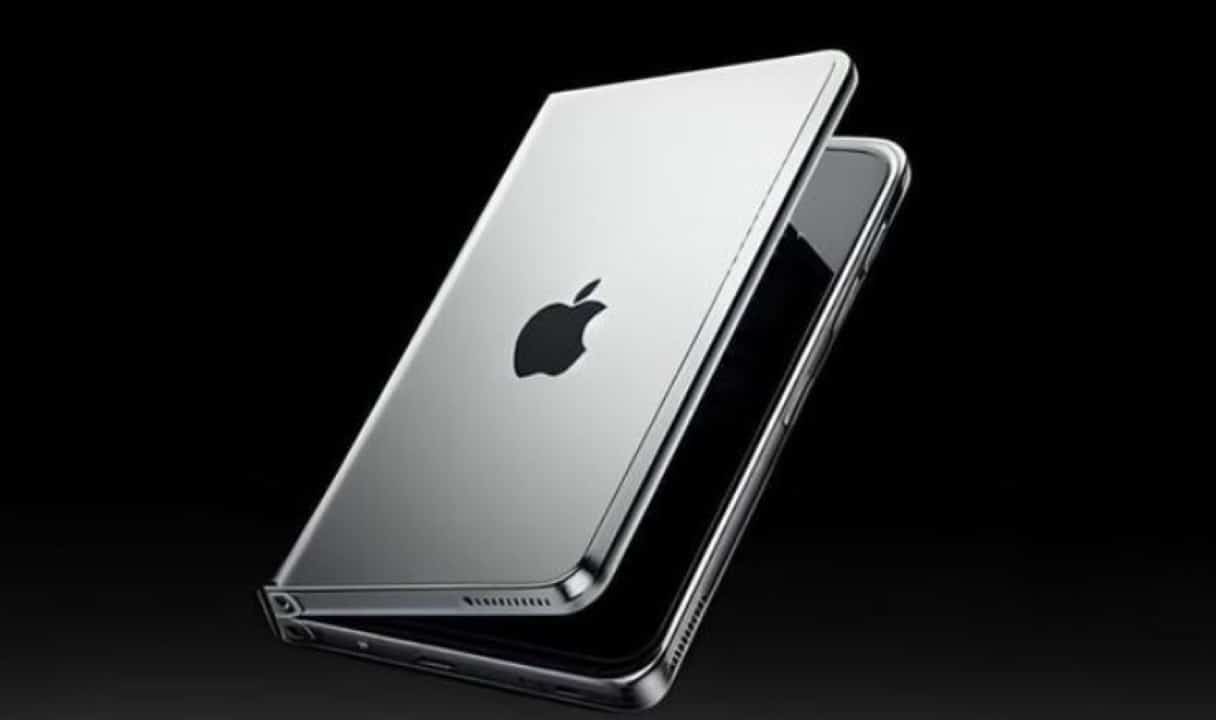
Recent three-dimensional images brought to public the first visual and technical details of the long-awaited foldable device from Apple, provisionally called iPhone Ultra. The released material presents an engineering project focused on reduced thickness and high energy capacity. The North American manufacturer is working on developing this model to enter a segment currently dominated by Asian companies. The leak indicates the adoption of a 5,800 mAh battery, a number higher than the brand’s current standard. The structure of the device combines lightweight materials to compensate for the weight of the internal components. Information circulates through sources linked to the technology industry supply chain.
Physical architecture and dimensions of the new device
The structural design of the smartphone stands out for its reduced dimensions in both forms of use. Quando closed, the device is 9.5 millimeters thick, a value close to conventional bar-shaped cell phones available on the market. In the open position, the thickness drops to 4.5 millimeters, requiring a highly optimized internal distribution of components. Esta physical configuration puts the model in direct competition with the thinnest devices in the telecommunications sector.

To achieve these dimensions without compromising the physical integrity of the product, the company’s engineering team chose to use a titanium alloy. Este material offers greater mechanical strength than traditional aluminum, while keeping the total weight of the device under strict control. The choice of titanium reflects a material transition that the manufacturer has already begun in its most recent premium product lines. The housing needs to withstand the daily stress of opening and closing without suffering deformation over time of continuous use.
Energy capacity and image capture system
The component that draws the most attention to the leak is the device’s power supply unit. The designed 5,800 mAh battery represents a significant leap compared to the brand’s current models, which historically operate with smaller capacities and rely on operating system optimization. The increase in power reserve is a technical necessity to support the consumption of a large internal screen. Telas foldables require a constant refresh rate and higher light output, which drains charge quickly during operation.
In the photography department, the leak points to the inclusion of a 48 megapixel main sensor. Integrating high-resolution cameras into extremely thin chassis presents a complex hurdle for hardware designers. The camera module needs to capture enough light for quality images without creating an excessive bulge on the back of the phone. The company seeks to maintain the photographic standard of its main line even in the new flexible format.
- Thickness of the folded device reaches the mark of 9.5 millimeters.
- Thickness of the fully opened device reaches 4.5 millimeters.
- Power unit designed with a total capacity of 5,800 mAh.
- Main photo sensor equipped with a 48 megapixel lens.
Hinging mechanism and flexible panel technology
The durability of the screen and the visibility of the central crease are the main points of attention in the flexible phone category. The design of the Apple indicates a crease with a depth of just 0.15 millimeters, making the marking practically imperceptible to touch and sight during normal use. Para To achieve this result, the development involves a hinge built with liquid metal and components manufactured using 3D printing. Esta combination of production methods allows for a more precise fit of internal gears and reduces friction between moving parts.
The light panel protection uses a multi-layer system to ensure the longevity of the display. The design incorporates ultra-thin glass technology, known by the acronym UTG, overlaid with an additional layer of flexible glass. Esta double structure aims to solve the problem of scratches and premature wear that affect the first generations of competing devices. The resistance of the screen is a determining factor in the acceptance of the product by the end consumer, requiring rigorous laboratory testing before mass manufacturing.
Software integration and positioning in the global market
Operating the operating system in the new format requires a complete adaptation of the user interface. The information indicates that the device’s software will behave similar to the system used in the brand’s tablets. The expanded screen will allow two applications to run simultaneously in split windows, natively increasing user productivity. Esta approach turns the phone into a portable workstation, justifying the implementation of a processor with greater parallel processing capacity.
The North American company’s entry into the foldable segment comes after years of observing direct competition. Fabricantes Asian companies, such as Samsung with its line Galaxy Z Fold, have already established a consumer market for this type of product in several countries. The leaked model, with its 4.5 millimeters thickness when opened, surpasses the thickness estimates of direct competitors planned for the next launch cycles. The brand’s strategy focuses on delivering mature hardware, circumventing the structural flaws seen in the early days of this technology.
Movements in the supply and production chain
The absence of an official statement from the manufacturer keeps the project in the field of industrial development confidential. However, the volume of information coming from parts suppliers in Ásia demonstrates that the prototyping phase has advanced significantly in recent months. The production of specific components, such as the liquid metal hinge and high-density batteries, requires the readjustment of entire assembly lines. The company’s commercial partners are already carrying out mechanical stress tests to ensure the necessary manufacturing volume for a global launch.
The emergence of this model on the technological horizon changes the planning of the entire mobile device sector. The company’s adoption of the foldable format has the potential to standardize flexible screen technologies and lower large-scale production costs for the entire industry. The premium smartphone market awaits the consolidation of these specifications to define the next consumption and design standards. The device represents the most profound physical change to the brand’s phone lineup since the removal of the front navigation buttons.