

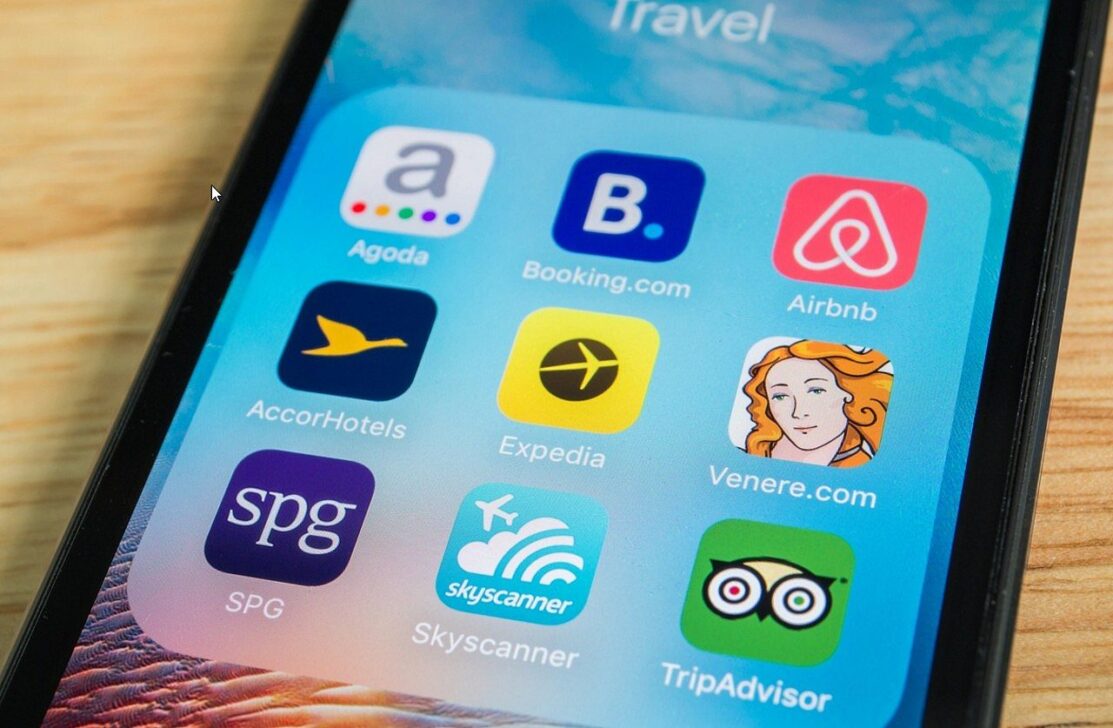
Booking.com, one of the largest global online platforms for booking accommodation and travel services, confirmed that sensitive user data was accessed by hackers. The incident occurred last Monday, April 13, representing yet another cyber scam against the company. The platform did not disclose the exact number of customers affected by the breach.
The compromised information includes full names, email addresses and phone numbers linked to previous reservations. Additional Dados that customers shared directly with accommodations were also part of the unauthorized access. The company, however, assured that no users’ financial information was obtained by criminals.
Nature of the attack and impacted data
The cyberattack exploited vulnerabilities in Booking.com’s system, allowing hackers to access a considerable amount of personal data. Este type of breach raises significant concerns about the privacy and digital security of the millions of users who use the platform to plan their trips. Rapid response is crucial to mitigating damage and restoring consumer confidence. Digital security experts often emphasize that even without the theft of financial data, the exposure of personal information can lead to other types of fraud, such as more targeted phishing attempts and social engineering scams.
- Data specifically mentioned as accessed includes:
- Users’ full names
- Email addresses associated with accounts
- Contact telephone numbers
- Additional information shared by guests with the accommodations themselves during the booking process.
The platform plays a fundamental role in protecting this data, acting as an intermediary between the customer and the service provider. The guarantee that financial information such as credit card numbers has not been compromised is a positive point, but it does not negate the seriousness of the exposure of other personal information. Essa distinction is important for users to understand the type of risk they may face after an incident like this. Booking.com will need to demonstrate transparency and effectiveness in its recovery and future prevention strategies.
Company response and notification to users
Upon detection of malicious activity, Booking.com implemented a series of immediate measures to contain the breach and protect remaining users. The priority action was to identify and isolate the hackers’ entry point to prevent additional access and the compromise of more information. Este step is fundamental in any security incident response protocol, aiming to limit the spread of the attack within the company’s infrastructure. Agility in this phase can determine the full extent of the damage.
In addition to technical containment, the company took direct action in relation to reserves that could have been affected. A spokesperson for Booking.com confirmed that the PIN codes associated with these specific reservations have been updated, adding an extra layer of security for customers. Esta measure aims to prevent hackers from using stolen data to modify or cancel existing reservations, minimizing the direct impact on users’ travel plans. Proactively changing passwords or access codes is a standard recommendation in cases of data leaks.
Communication with affected customers was also a key part of the platform’s response. Users whose data was accessed received email notifications informing them of the incident and the actions Booking.com was taking. Transparency in this process is crucial to maintain trust and so that users themselves can monitor suspicious activity in their accounts and emails. The company based at Amsterdã has already reported the breach to the Dutch data protection authorities, complying with local regulations.
History of vulnerabilities and phishing scams
This incident is not the first to affect the data security of Booking.com. In 2018, the platform was the target of an extensive phishing attack that had international repercussions. Naquela occasion, cybercriminals managed to steal login data from hotel employees located at Emirados Árabes Unidos. Access to these credentials allowed hackers to access the reservation information of more than 4 thousand people directly on the Booking.com platform. The episode highlighted the fragility of passwords and the importance of multi-factor authentication.
Booking.com’s response to the 2018 attack also sparked controversy. The company, which is owned by Booking Holdings, a US corporation, but has its operational headquarters at Amsterdã, took 22 days to report the breach to the Dutch data protection authority. Esse delay in complying with regulations resulted in the imposition of a significant fine of €475,000, equivalent to around R$2.7 million at current exchange rates. The case served as a warning about the importance of agility in reporting data leaks, as required by privacy laws such as the European GDPR (Regulation Geral of Proteção of Dados).
Phishing, like the one that occurred in 2018 and possibly used in the current breach, is a cyber scam technique in which criminals masquerade as trusted entities, such as companies or authorities, to deceive victims. Eles send fake messages, usually via email, SMS or messaging apps, with the aim of stealing personal data or inducing the installation of malicious software. Essas messages often create a sense of urgency or promise some benefit to get the victim to click on fraudulent links, which direct them to fake websites identical to the original ones, where confidential information is then collected.
Prevention and next steps for the platform
The recurrence of cyberattacks on Booking.com requires an in-depth review of your cybersecurity strategies and data protection protocols. The company needs to continually invest in cutting-edge technologies for threat detection, network monitoring and intrusion prevention systems. Implementing two-factor authentication (2FA) for all users and hotel partners is a robust measure that can make unauthorized access significantly difficult, even in the event of a credential leak. Educating employees and partners on the latest social engineering and phishing tactics is also vital to strengthening the first line of defense.
For users, it is important to remain vigilant and skeptical of unsolicited communications claiming to be from Booking.com or partners. Recomenda – Always check the authenticity of emails and messages before clicking on links or providing personal information. Using strong and unique passwords for each online service is an essential digital security practice. The platform should also consider offering data monitoring tools to affected customers, such as alerts about the presence of their data in leaked databases, which demonstrates a proactive commitment to long-term consumer protection.
The investigation into the full extent of the leak and its root causes is still ongoing. Booking.com must maintain clear and ongoing communication with its users and regulatory authorities, providing updates on findings and additional measures implemented. Regaining public trust depends not only on technically containing the incident, but also on demonstrating an unwavering commitment to information security and the privacy of your customers’ data.