

The development of Samsung’s new smart glasses gained concrete evidence with the discovery of traces of the device in the brand’s software interface. The product, which should hit the market in 2026, had icons and references identified in the code of the future One UI 8.5. The movement indicates that the project has advanced to the system integration phases.
The South Korean manufacturer works in direct partnership with Google to implement a platform focused on augmented reality. The focus of the technology is on lightness and everyday use, differentiating itself from heavy headsets or those aimed exclusively at games. Recentemente, Samsung confirmed that the collaboration aims to create a practical ecosystem for the end consumer.
Descoberta in SystemUI code indicates hardware progress
The most recent evidence emerged through a tipster who identified graphical assets within Samsung’s SystemUI. The files make explicit mention of wearable vision devices, reinforcing that the One UI 8.5 interface is already being prepared to support the accessory. Especialistas from the sector assess that the presence of these icons in internal software builds signals that the hardware already has functional prototypes being tested.
Embora the final design has not yet been revealed, the icons found only serve as placeholders for system functions. Internal progress has reached a level where software developers need to create layers of interaction between the smartphone and the glasses. Samsung chose to remain secret about technical specifications, but integration with Android XR is taken for granted by analysts who follow the supply chain.
- Plataforma base:Android XR (powered by Google)
- System Integração:One UI 8.5
- Previsão marketing:Algum moment of 2026
- Principais partners:Google, Qualcomm and optical brands
- Product Foco:Realidade increased ergonomics for everyday use
Colaborações with fashion brands seek less technological design
Para avoid the mistake of past devices that looked like laboratory equipment, Samsung seeks alliances with renowned brands. Nomes as well as Warby Parker and Gentle Monster have been cited in discussions about the development of the glasses’ look. The objective is for the user to feel comfortable using the device in public environments without attracting excessive attention to the hardware.
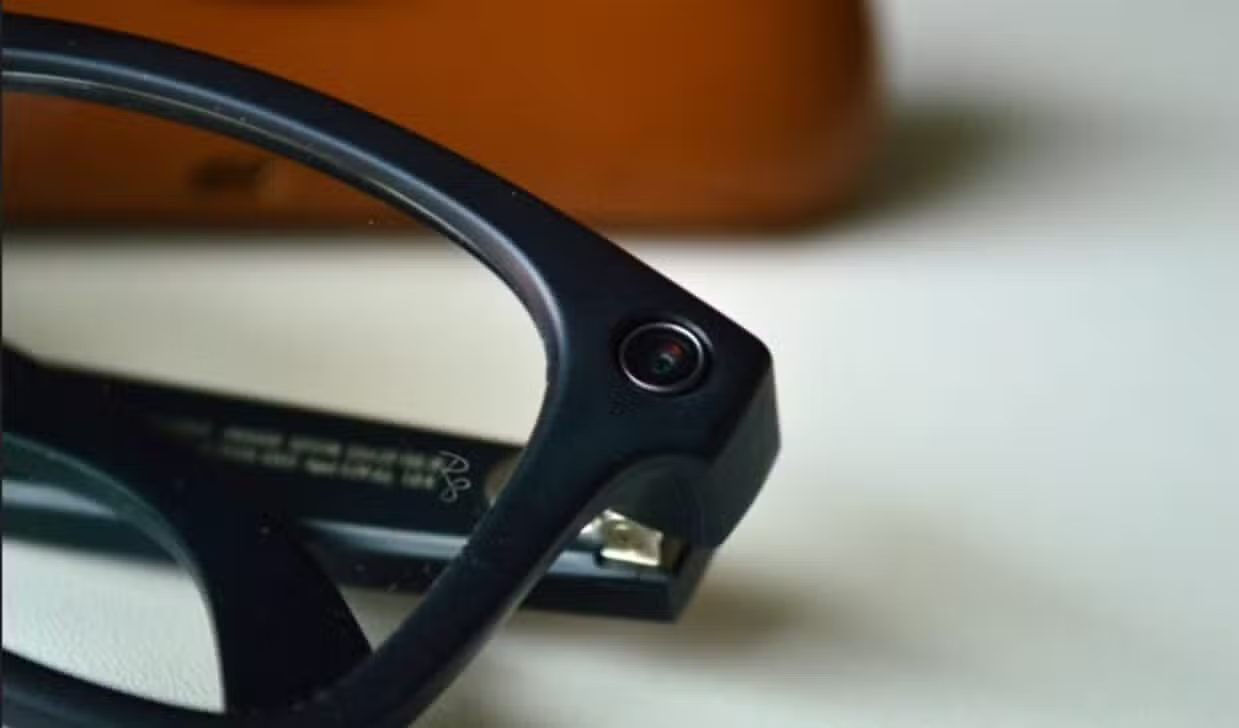
Essa design strategy brings Samsung closer to the success achieved by Meta in its partnership with Ray-Ban. Modern smart glasses need to be, first and foremost, functional and aesthetically pleasing glasses. The technology must be transparent, acting as a digital information carrier superimposed on the real world without compromising the field of vision or the weight on the face.

Plataforma Android XR is the engine of the new wearable ecosystem
The heart of the Samsung smart glasses experience will be the Android XR. Esta platform is an optimized operating system version of Google, designed specifically to address low latency and high energy efficiency in augmented reality devices. Diferente from the Galaxy XR, which was introduced as a full-immersion display, the new glasses prioritize lightness.
- AR-specific Processadores Qualcomm Snapdragon
- Integrated Câmeras for environment awareness
- Microfones with noise cancellation and spatial audio
- Motion Sensores for gestural interaction
- High density Baterias integrated into the rods
The decision to migrate to a practical glasses format reflects a change in the industry’s attitude. Bulky Headsets proved to be unsuitable for prolonged use in the work or leisure routine. Samsung is betting that, by reducing the size of the device, it will achieve a higher adoption rate, transforming glasses into an accessory as common as smartwatches.
Mercado of augmented reality regains momentum with new competitors
The smart glasses sector went through a period of skepticism after the demise of Google Glass, but the winds have changed. Atualmente, Snap’s Spectacles, and Meta’s products have demonstrated that there is demand for face-mounted cameras and artificial intelligence. The entry of Samsung with robust hardware should put pressure on Apple, which also maintains active research into similar vision technologies.
Mais technical details and usage demonstrations of the Android XR are expected to emerge during developer events throughout 2025. Até There, Samsung will continue to refine the One UI to ensure that the transition between screens is fluid. The launch in 2026 places the brand in a strategic position to capture the maturation of the artificial intelligence market applied to wearables.