

A North American consumer purchased a high-end desktop computer for exactly US$1,000 from a large retail chain. The transaction took place in a physical store at Estados Unidos and involved a pre-assembled high-performance machine. The equipment had an original price tag of US$1,899.99 on the shelves. The discount applied at checkout represented a reduction of almost 50% on the price suggested by the manufacturer.
The unit sold functioned as a display model in the electronics section of the establishment. The buyer published the payment receipt and photographs of the case on technology forums. The post sparked immediate debate about supermarket display liquidation policies. Analistas of the market point out that assembling a system with identical specifications would cost more than double the amount paid in the in-person promotion.

Internal Configuração combines premium processor and latest graphics card
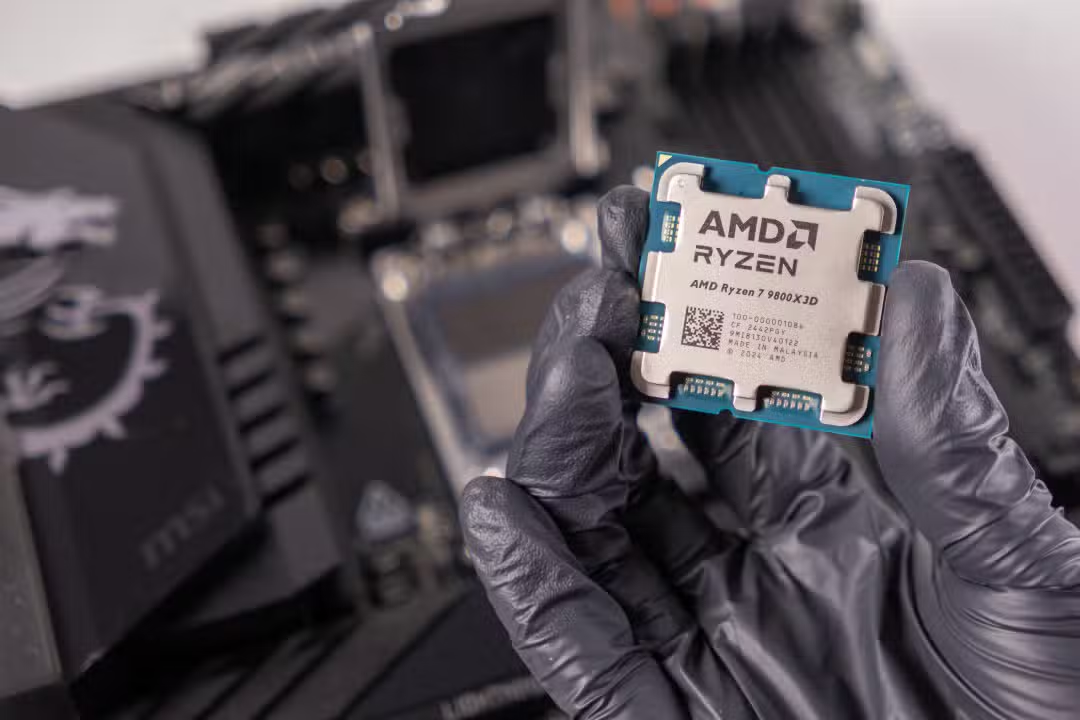
The acquired computer houses components aimed at processing complex tasks and running heavy software. The AM5 socket motherboard receives the AMD Ryzen 7 9800X3D processor. Este chip uses the 3D V-Cache architecture to expand the available L3 memory directly on the silicon. The technology guarantees high frame refresh rates in intensive graphics applications. The system operates with thermal stability thanks to a 360 mm Watercooler AIO liquid cooler.
Visual processing is handled by the NVIDIA GeForce RTX 5070 graphics card. The component has 12 GB of dedicated memory in the GDDR7 standard. The part natively supports DLSS 4 framing technology and real-time ray tracing. Users can run current programs at 1440p resolution with all visual filters activated. The hardware also supports the playback of 4K content through occasional adjustments to the rendering settings.
Data storage and random access memory round out the machine’s high-performance package. The mid-tower case with tempered glass sides hides a 2 TB NVMe SSD. The solid state drive reduces operating system load times. The set also includes 32 GB of DDR5 standard RAM. The installed quantity prevents bottlenecks during simultaneous use of multiple demanding applications.
Custo of spare parts exceeds the two thousand dollar mark
Purchasing separate hardware to assemble a similar device requires a budget of between US$2,000 and US$2,500 in the current economic scenario. Apenas, the AMD processor, costs around US$450 in the main online stores. The value of the chip remains high due to constant global demand. The RTX 50 series cards also register high prices on the shelves. The demand for processing power and restrictions in the supply chain make the product more expensive.
The other essential items for the computer to function have undergone readjustments in recent months. Logistical fluctuations and the increase in the cost of raw materials affect the technology market. Manual assembly requires the purchase of specific components that weigh on the consumer’s final budget.
The list of expenses for structuring a machine from scratch includes rigorous technical requirements:
- Placa motherboard compatible with socket AM5 and support for new generation memories.
- Fonte power supply with efficiency certification and adequate power for the video card.
- Official Licença Windows 11 Home operating system for home use.
- Sistema advanced cooling to keep processor temperatures under control.
The sum of all these factors highlights the financial advantage obtained by the consumer in the physical store. The pre-assembled system delivered a complete assembly at a fraction of the actual cost. Closed computer manufacturers buy parts on a large scale. Essa practice reduces the production cost of machines sent to retailers.
In-Store Clearance Dinâmica Creates Hidden Opportunities
Large retail chains adopt aggressive strategies to free up space in physical stocks. Managers apply substantial discounts on display units to accelerate the sale of old products. Open box items lose their status as factory sealed merchandise. The equipment remains fully functional but suffers immediate commercial depreciation. The inventory system automatically calculates the reduction in value when the store needs to display new lines of electronics. Maintaining large boxes on the sales floor generates invisible operational costs for the company. Burning stock solves the logistical problem in a few hours.
The pricing of these units varies depending on the location of the establishment and the time the machine is exposed. Consumers who frequent the aisles of physical stores find offers that are invisible in the digital environment. Virtual promotions reach thousands of buyers simultaneously and sell out in seconds. Showcase sales require the customer to be present at the location and check the condition of the product. The rapid depletion of these parts confirms the viability of in-person searches for high-cost hardware.
Unified Garantia and energy efficiency attract corporate profile
Purchasing a factory-assembled computer eliminates the risk of damage while handling parts. Incorrectly installing the processor or applying excessive thermal paste will cause irreversible damage. Integrating companies carry out stress tests before shipping cabinets to supermarkets. Technicians check that the power supply can handle the peak consumption of the CPU and GPU. The machine arrives at the customer with the essential drivers installed and ready for immediate use.
Centralized technical support represents another attraction of closed systems. The consumer contacts a single service department in the event of a hardware failure. The warranty covers the entire cabinet as a single entity. The user does not need to diagnose the defect alone or contact multiple manufacturers. The simplified structure suits professionals looking for reliable workstations. The format saves time spent resolving compatibility conflicts between parts from different brands.
The modern architecture of the internal components delivers improvements in the energy efficiency of the set. The processor manages power distribution dynamically according to the task requirements. The chip consumes minimal current during idle and increases speed instantly on demand. The graphics card uses manufacturing processes that reduce heat production. The fans operate at lower speeds and ensure a quiet environment. The technology extends the life of equipment without requiring electrical upgrades in the buyer’s home. Efficient thermal design prevents premature wear of motherboard capacitors.