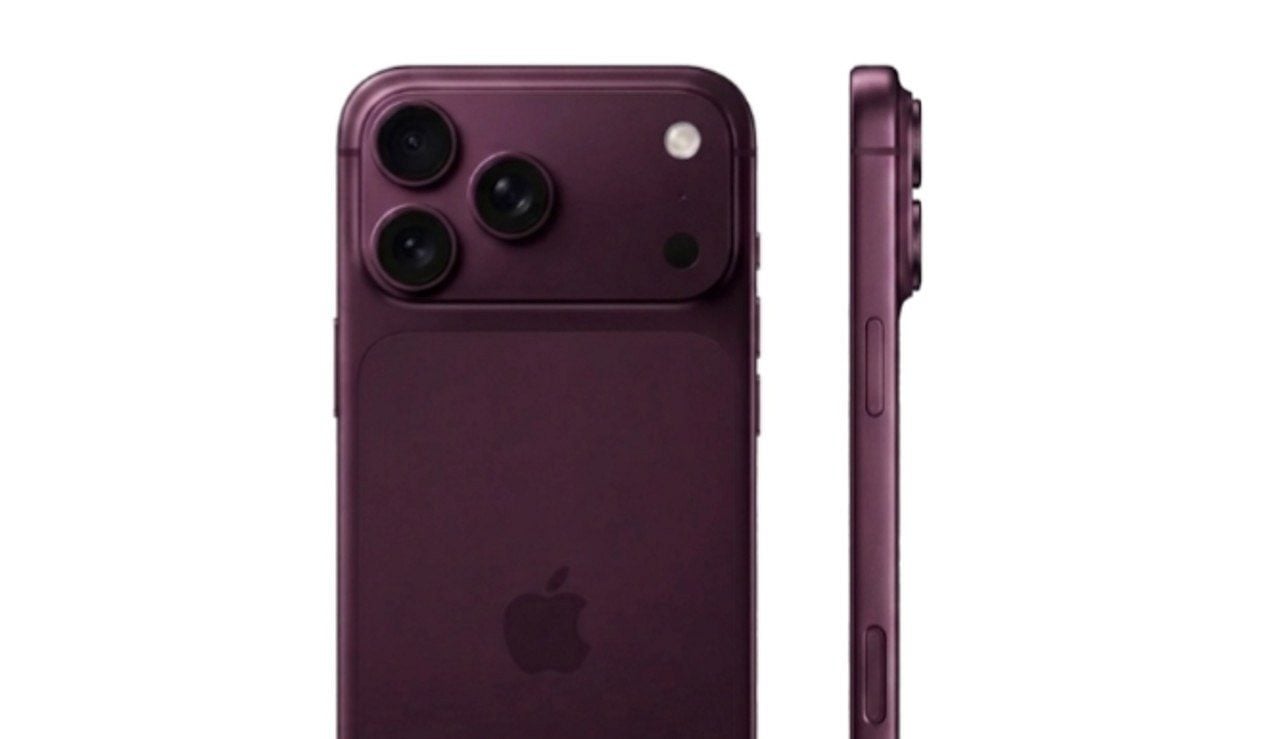
The iPhone 18 Pro is expected to mark an inflection point in Apple’s mobile photography. Segundo information from industry experts, the next generation will bring the biggest improvement in cameras since the launch of the dual system on the iPhone 7 Plus in 2016. The changes include larger sensors, more advanced computational processing and new capture modes that promise to redefine the market standard.
Cupertino’s company works on multiple fronts. Novos sensors with expanded resolution, telephoto lenses with superior range and artificial intelligence algorithms dedicated to post-processing are among the main innovations confirmed by sources linked to the development.
Câmera flagship gets larger sensor and proprietary technology
The iPhone 18 Pro will feature a significantly larger main sensor. The diagonal increases to capture more light in low-light conditions, reducing noise and improving image quality even in challenging environments. Esse increase in size, however, does not compromise the thickness of the device thanks to new miniaturization techniques that Apple developed internally.
Além of the sensor, the optics have been rethought. The main lens now has a more generous maximum aperture, allowing greater light entry than previous generations. The computational processing that accompanies each capture uses a dedicated neural engine, separate from the central processing unit, ensuring speed and battery efficiency even during bursts of moving photos.
Optical Zoom advances with new telephoto design
The ultra-wide zoom camera (periscope) evolves substantially. Enquanto the iPhone 17 Pro offered up to 12x optical zoom, the new model reaches 15x without significant loss of quality. The optical image stabilization mechanism now works in three axes, eliminating blur even in videos recorded while walking or running.
The periscoped design has been completely re-engineered to fit into the chassis without adding external bulk. Engenheiros’s Apple managed to reduce the module’s physical size while increasing optical capacity—a feat that impressed independent analysts who had access to preliminary documentation.
Vídeos at 8K gains native support. Gravação at 120 fps frame rate becomes standard on all cameras. Real-time compression keeps file sizes within practical limits without sacrificing visual detail.
Ultra-wide Câmera integrates dedicated sensor for night vision
The ultrawide lens gets its own dedicated sensor. Diferentemente from previous generations, where it was shared with the main camera from a computational point of view, now operates with independent processing. Isso allows simultaneous capture from multiple angles without degradation of frame rate or quality.
A new mode called “Noturna Avançada Vision” uses artificial intelligence to reconstruct details in low-light environments. The algorithm analyzes multiple frames captured in milliseconds, identifies patterns and restores visual information that would be imperceptible to the human eye. Internal Testes show results comparable to dedicated professional cameras with native ISO sensitivity in the range of 3200 to 6400.
Recursos artificial intelligence changes post-processing paradigm
The iPhone 18 Pro incorporates a coprocessor dedicated exclusively to computational photography. Esse chip runs proprietary denoising (noise reduction), upscaling (intelligent enlargement) and color correction algorithms in real time, without sending data to remote servers.
A new mode called “Dinâmico Portrait” allows post-capture editing of depth of field. The user photographs normally; then, in the Fotos application, adjust the amount of background blur (bokeh) as if you had a different lens. The technology maps the scene in 3D while shooting, storing depth data that does not consume notable additional space.
AI and Capture Enhancements Destaques:
- Real-time Denoising eliminates noise up to 40% better than previous generations
- Modo automatically identifies scene type (food, landscape, portrait, text) and optimizes parameters instantly
- Captura native HDR video in 4K 120fps without stutter
- Color Processamento with dynamic tone mapping
- Gravação spatial audio synchronized with three-channel video
Design and compatibility maintain heritage of the Pro line
The camera module grows slightly in height, but Apple has ensured compatibility with previous generation covers through clever design. The phone’s body thickness increases by just 0.3mm in total, within the minimum tactile perception tolerances.
The front dual camera system also receives an update. The front camera’s ultra-wide sensor now offers autofocus with real-time face tracking during video calls. Gravação 4K 60fps selfie video becomes standard on all Pro models.
Compatibilidade with third-party applications is guaranteed through open APIs that allow access to new sensors. Desenvolvedoras of specialized cameras (such as Halide and Lightroom) will be able to take advantage of the full potential of hardware without software restrictions.
The iPhone 18 Pro will hit the market in the second half of the year, with an expected price of between R$8,500 and R$10,500 depending on storage capacity. Cores will be announced during the Apple launch event, traditionally held in September.