

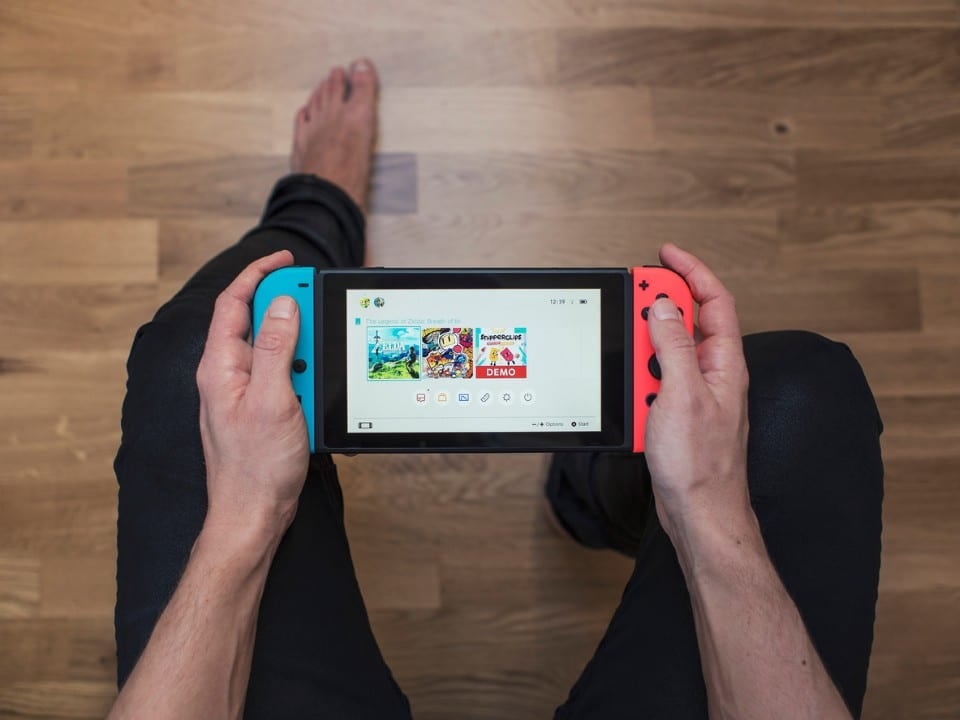
A new technical upgrade developed by the independent programming community has transformed the processing power of the Nintendo Switch. The latest version of the popular Dolphin emulator has received a native adaptation for the device’s operating system. The advancement allows owners of the hybrid console to play titles originally released for the GameCube and Nintendo Wii directly. Installing the software opens doors to a historical library without the need for complex hardware modifications.
The project represents a milestone in the scenario of digital media preservation and reverse engineering. Desenvolvedores worked for months to optimize the program’s source code and adapt it to the Horizon system architecture. The result delivers an unprecedented portable experience for games that defined past generations. The initiative takes place in parallel with the Japanese manufacturer’s official services. Users assume the responsibility of providing the original game files to use the tool.
The arrival of software to the hybrid console’s native system
Dolphin has a long history in the world of desktop emulation. The program emerged in the early 2000s as an experimental solution and has evolved into one of the most respected open source projects in the world. The transition from this technology to the Nintendo Switch hardware required overcoming several technical barriers. The console’s mobile processor has clear limitations when compared to modern computer components. The development team had to rewrite specific graphical instructions to ensure the emulator core ran.
More on this story: Independent software allows you to play GameCube and Wii classics directly on the Nintendo Switch
A adaptação nativa significa que o software roda diretamente na interface principal do aparelho. Previous Soluções required the installation of alternative operating systems, such as Linux or Android distributions, to achieve similar results. O novo método simplifica o acesso e aproveita melhor os recursos de memória disponíveis no equipamento. O núcleo de processamento exigido para rodar jogos de sexta e sétima geração de consoles consome muita energia. The device quickly reaches the thermal limit. Cenas complexas exigem força máxima do processador.
Initial Desempenho and compatibility catalog construction
The stability of the emulator still reflects the early stage of development. The programmers responsible for the launch issued transparent statements about performance expectations. Occasional Travamentos, texture rendering glitches, and frames per second drops are part of the current experience. The software’s behavior changes drastically depending on the title chosen by the player. Jogos with simpler graphics engines usually presents satisfactory results in the first attempts.
The community of enthusiasts began creating a collaborative database to record the operation of each work. Jogadores from all over the world test different configurations and share the results on specialized forums. Adjusting internal parameters, such as internal resolution and image filters, helps you work around specific problems. The exchange of information speeds up the fault correction process. The catalog guides new users on which adventures already offer viable playability from start to finish.
Títulos classics that survive on the portable platform
The first practical tests revealed the tool’s potential in works acclaimed by critics and the public. The transition from the original controls to the buttons and analog sticks of the Joy-Cons required meticulous mapping work. The absence of infrared sensors on the Wii Remote requires the use of shortcuts and adaptations to the gyroscopes built into current controls. The practical result varies greatly. Adaptation allows you to revisit remarkable adventures with the comfort of portability.
Learn more: Dolphin arrives on Nintendo Switch with native support for GameCube and Wii classics
- Luigi’s Mansion delivers solid performance and responds well to ghost capture commands.
- The Legend of Zelda: Twilight Princess runs with acceptable fluidity in most open scenarios.
- Super Smash Bros. Melee maintains the speed needed for casual play and recognizes wireless controllers.
- Rayman Origins displays sharp two-dimensional graphics and suffers little flickering during platforming phases.
- Rhythm Heaven Fever demonstrates instability in response time in minigames that require extreme precision.
The list of tested games grows daily with the contributions of hundreds of volunteers. The ability to play GameCube titles on the Nintendo Switch screen meets a long-standing request from consumers. The original 2001 console has a library full of exclusive games that have never received official remasters or re-releases. The emulator fills this historical gap. The software returns access to works that were trapped on physical media worn out by time.
Diferenças in relation to official services and the legal issue
The independent initiative differs fundamentally from the business model adopted by Nintendo. The Japanese company offers the Switch Online subscription service. The package includes old games. The official catalog features a curated and limited selection of titles, with support for internet play and cloud saving. The Dolphin emulator, on the other hand, has no commercial ties and depends exclusively on the voluntary effort of programmers spread across different countries.
The legal aspect of emulation requires strict attention from users. The software itself consists only of a set of reverse engineering instructions and does not infringe copyright laws. The problem arises when obtaining copies of the games, known as ROMs or ISOs. The legislation of several countries allows the extraction of data from an original disc legally purchased by the player himself. Downloading files distributed by third parties on the internet constitutes piracy and violates the terms of use established by the trademark holders.
The impact on the device’s life cycle and next steps
The expansion of Nintendo Switch’s capabilities comes at a time of hardware maturity. The console is heading towards the final years of its main market cycle. The addition of robust emulation tools increases the perceived value of the equipment for a specific niche of consumers. Older Aparelhoss often gain survival through software modifications that exploit the processing limit. Portability continues to be the biggest attraction for those who want to relive classic adventures away from the living room television.
The Dolphin update schedule provides for continuous improvements in code optimization. The developers plan to implement new graphics rendering methods to ease the load on the central processor. Fixing audio glitches and frame rate stabilization top the technical team’s priority list. The project reinforces the importance of the community in preserving the history of video games and ensures that future generations of players know the roots of the digital entertainment industry.