

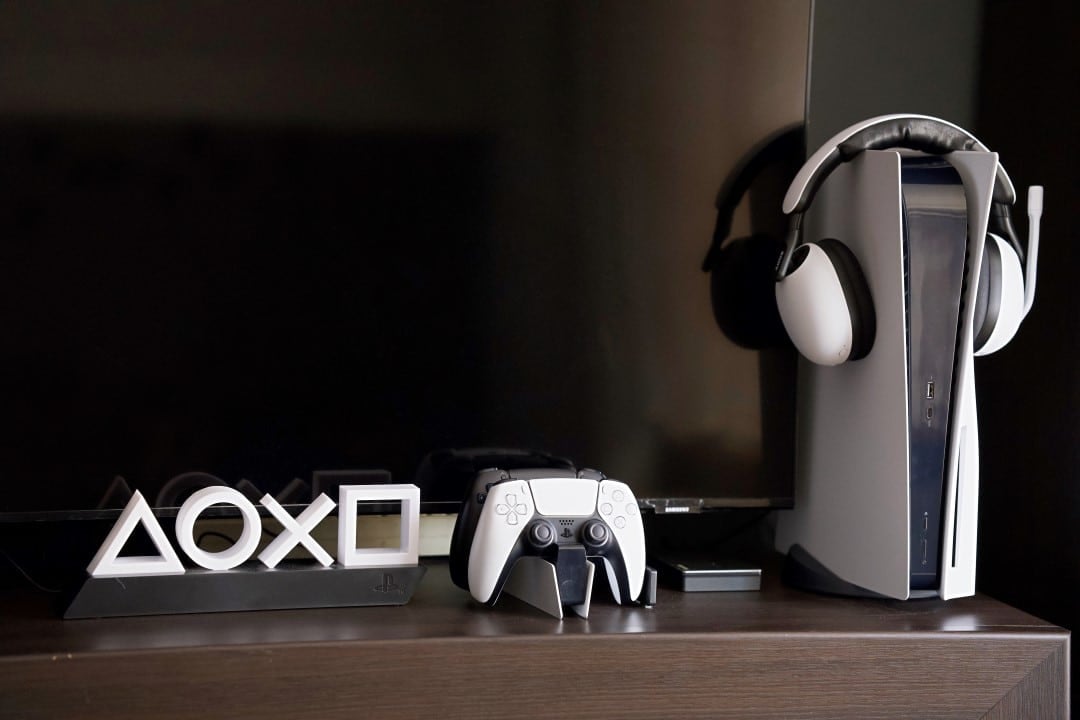
Sony has registered a new patent document that details the possible features of the official PlayStation 6 controller. The hardware design presents a profound change in relation to the brand’s traditional models. The Japanese company is now focusing on a modular format and the inclusion of advanced biometric sensors. The technology aims to change the way players interact with the virtual environment.
The change is radical. The registration indicates an attempt by the manufacturer to solve long-standing ergonomics and accessibility problems. The video game market requires peripherals that adapt to different physical profiles and motor needs. The new device proposal replaces the single chassis with mobile components. The development of the accessory comes as the industry prepares the transition to the next generation of consoles.
Estrutura split physics facilitates ergonomic adaptation
The technical document describes a peripheral divided into two main grip sections. Players can separate these parts. Structural flexibility breaks with the standard established by the industry since the nineties. Sony engineers aim to eliminate the discomfort caused by long sessions of using fixed-size controllers.
Physical customization of equipment involves relocating buttons, triggers and analog sticks. The user gains the ability to assemble the device according to the size of their hands or their tactical preference in certain games. The patent mentions the use of mechanical locks and magnetic connections to maintain the integrity of the accessory during sudden movements.
Outro detailed aspect of the design involves the weight distribution of the control. The system allows the addition or removal of small internal counterweights. Jogadores of first-person shooter titles generally prefer lighter equipment for fast movement. Fãs of racing simulators seek heavier devices for greater stability in corners. The accuracy of the commands directly depends on the user’s comfort during competitive matches. Weight adjustment transforms a generic peripheral into a specialized tool.
More on this story: Sony defends PS5’s digital future and claims that consoles are more affordable than PCs
Leitura of vital signs changes the dynamics of matches
The integration of biometric sensors represents the most complex advance in the Sony project. The control has the ability to monitor the user’s vital signs through constant contact with the skin. The electronic components can record heart rate, body temperature and perspiration levels in the palms of your hands.
Data collected by the hardware is processed locally and sent to the console in real time. Software developers can use this information to dynamically change the difficulty of a game. A horror title can identify whether the player is calm. In response, the system increases the intensity of the scares or the number of enemies on the screen.
The technology also acts as a security mechanism. The system issues immediate alerts. The console detects extreme levels of stress or muscle fatigue by reading sweat and heart rate. The software can suggest automatic pauses or reduce the complexity of required commands. The patent ensures that the processing of this sensitive information occurs in an encrypted environment to protect consumer privacy.
On the same topic: New Xbox Game Pass structure brings three plans and consolidates streaming in Brazil
Inclusão of players with motor limitations gains priority
The modular design of the new control directly addresses a historic demand for greater accessibility in the technology sector. Pessoas with physical disabilities face significant barriers when using standardized peripherals. The ability to reconfigure the device’s form factor allows more individuals to participate in the PlayStation ecosystem.
The gaming industry is seeing a growing movement towards inclusivity. Microsoft has led this front in recent years with the release of Xbox Adaptive Controller. Sony now structures its own hardware solution to compete in this segment and offer viable alternatives to its audience.
- The separation of the grips allows the player to position the controls on flat surfaces.
- Changing analog levers makes it easier to use for people with reduced thumb mobility.
- Removing unnecessary parts reduces overall weight and prevents chronic joint pain.
- External pedals and large-format buttons are connected via expansion ports.
Hardware adaptation reduces the need to purchase third-party equipment. Esses adapters tend to have high costs on the parallel market. The Japanese manufacturer tries to centralize the gaming experience in a single official product capable of taking multiple forms.
Desenvolvedores face the challenge of integrating new features
Creating advanced hardware requires equivalent support from software studios. Programmers need to adapt graphics engines to receive and interpret biometric data in fractions of a second. Implementing these mechanics consumes time and financial resources during the production of a game.
Learn more: Apple releases iOS 26.4 with new brightness and motion controls for Liquid Glass interface
Independent production companies often have limited budgets to explore experimental technologies. Sony will need to provide simplified development tools. The objective is to encourage the use of sweat and heart rate sensors. The standardization of code libraries defines whether the new feature will become an industry standard or just a niche feature.
Market history shows that very specific accessories tend to be abandoned if there is no mass adoption. The Japanese manufacturer works on building a solid ecosystem. Modularity and biometrics must work natively in the company’s exclusive titles. The strategy seeks to convince the public about the added value of the new equipment before the official launch.
Ciclo development points out trends for the market
Registering a patent guarantees the intellectual property of an idea. Approval of the document does not confirm the immediate manufacture of the product. Technology companies document hundreds of concepts annually to protect their research and development pipelines. Modular control demonstrates the paths explored by Sony laboratories for the future of digital entertainment.
The transition to the PlayStation 6 requires innovations that justify the generation change. Current hardware already reaches technical limits in terms of graphics processing. Manufacturers seek differences in interaction methods and sensorial immersion. Control remains the main physical bridge between the human being and the machine.
Large-scale production costs define the commercial viability of complex projects. The inclusion of magnetic locks and biometric readers makes assembly more expensive in factories. The global supply chain needs to adapt to provide the necessary microchips. Materials engineering tests more resistant plastic alloys to withstand the constant fitting and pulling apart of parts. The company’s executives evaluate the balance between technological innovation and the final price in stores.