

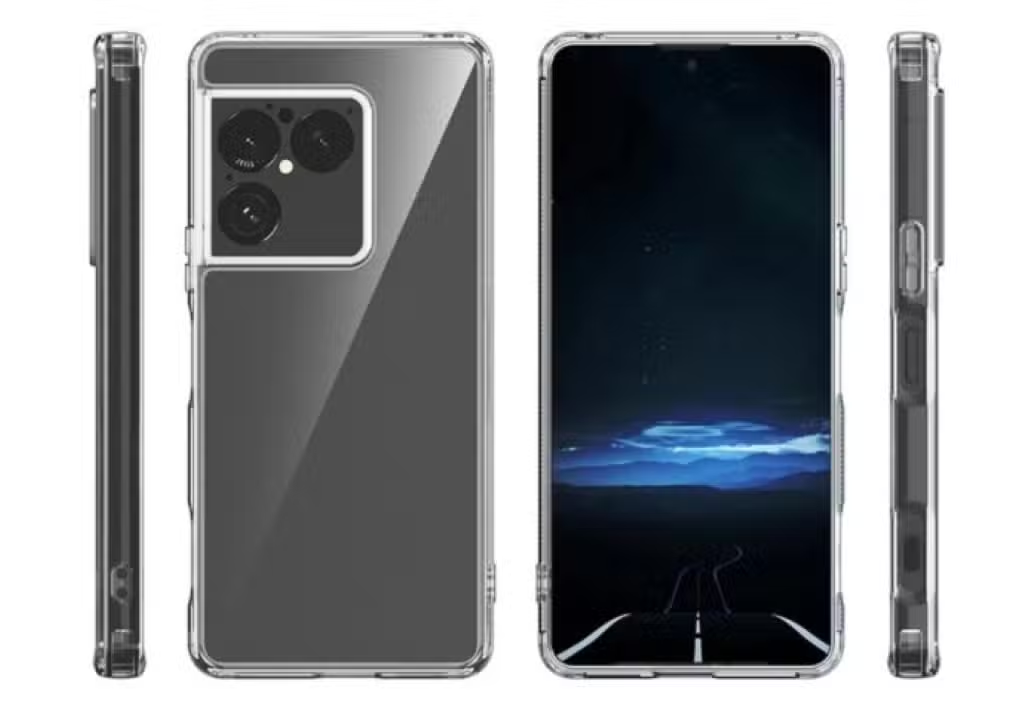
Japanese manufacturer Sony is preparing a significant visual overhaul for its next high-end smartphone. The device abandons the traditional vertical alignment of the rear lenses. The company is now betting on a wider and squarer format for the photographic module. Imagens behind the scenes indicate an aesthetic rapprochement with models from other technology giants. The device seeks to attract both loyal fans of the brand and new consumers in the luxury segment.
The structural change accommodates larger sensors and advanced image capture technologies. The global mobile phone market awaits the official announcement with great anticipation. Analistas point out that the change represents the biggest design leap in the line in recent years. The modification reflects a need to adapt to current industry standards for high-cost mobile devices.

Mudança radical in the rear camera module
The rear panel of the equipment presents the most visible change of this generation. Sony decided to centralize and enlarge the block that houses the photographic lenses. The elongated pill shape gives way to a robust square. Essa engineering choice allows for better internal distribution of components. Aparelhos competitors already use similar solutions to manage the heat generated by processing very high resolution images.
The side edges of the cell phone maintain a flat finish. The material chosen for the back offers a high-quality matte texture. The device’s grip remains firm and ergonomic in the user’s hands. The dedicated camera button is still present on the right side. Esta physical characteristic has been a trademark of the manufacturer since the first models in the series and facilitates the use of the device horizontally.
The internal reorganization also makes room for improvements in battery capacity and the cooling system. Modern hardware requires efficient thermal dissipation when recording long videos. The new format of the photo module helps balance the weight of the device. The cell phone should not lean to one side when held with just one hand.
Especificações photography focused on content creators
The new model’s optical architecture raises the bar for mobile capture. The rear assembly has three distinct high-resolution sensors. Cada lens operates with a specific purpose to ensure versatility for the photographer during everyday use.
- 48-megapixel main Sensor with improved optical stabilization for dark environments.
- Lente ultra wide angle designed to capture expansive landscapes and confined spaces.
- Telephoto Câmera with advanced optical zoom capability without loss of visual quality.
Integration with the Alpha professional camera ecosystem continues to be a strong competitive differentiator. The native software offers detailed manual controls for exposure, focus, and white balance. The user has access to an interface similar to that found on dedicated photography equipment. The absence of cutouts on the screen preserves the visual experience intact. The front camera is discreetly housed on the top edge of the display panel.
Inclusão in a reddish tone breaks the brand’s visual tradition
The premium line’s color palette has always prioritized sober and conservative tones. Preto, gray and dark green dominated the shelves in previous generations. The introduction of a red variant surprises experts in the technology sector. The vibrant tone seeks to speak to a younger and bolder audience. The matte finish prevents the color from becoming overly flashy or reflective in sunlight.
Estratégias based on unique colors often drive initial sales of electronic devices. The reddish edition may have limited production during the first few months. The manufacturer tests public acceptance before expanding global availability. The contrast between the colored body and the dark camera module creates a striking visual identity. The device gains immediate prominence when placed alongside traditional competitors in store windows.
Expectativa launch and positioning in the premium market
The company’s launch schedule points to a global event in May 2026. The device is already undergoing final certification processes with several international regulatory bodies. The pre-sale period should begin shortly after the official presentation. Arrival in physical stores will occur gradually in selected markets. Ásia and Europa usually receive the first batches of the product before Américas.
The final price of the equipment has not yet been released by the manufacturer. The market positioning puts the cell phone on a direct collision course with the competition’s more expensive models. Consumers in this segment demand impeccable performance, premium materials and prolonged support. Sony relies on the exclusivity of its seamless screens and superior audio quality to justify the investment. Commercial success will depend on the company’s ability to communicate these advantages clearly.
Estratégia commercial and customer loyalty
Maintaining classic features shows respect for the loyal user base. The input for wired headphones and memory card support are still present in the design. Most rival companies abandoned these options several years ago. The Japanese brand understands that its audience values flexibility in storing large files and uncompressed sound quality.
The mobile phone industry faces a scenario of incremental innovations and longer change cycles. Consumers think twice before investing minimum wage or more in a new device. Sony’s proposal tries to balance the modernization of the design with the preservation of its technical identity. The final result on the shelves will define the direction of the company’s smartphone division for the coming years. The focus on a renewed look and flashy colors shows a willingness to fight for a larger share of the luxury market.