

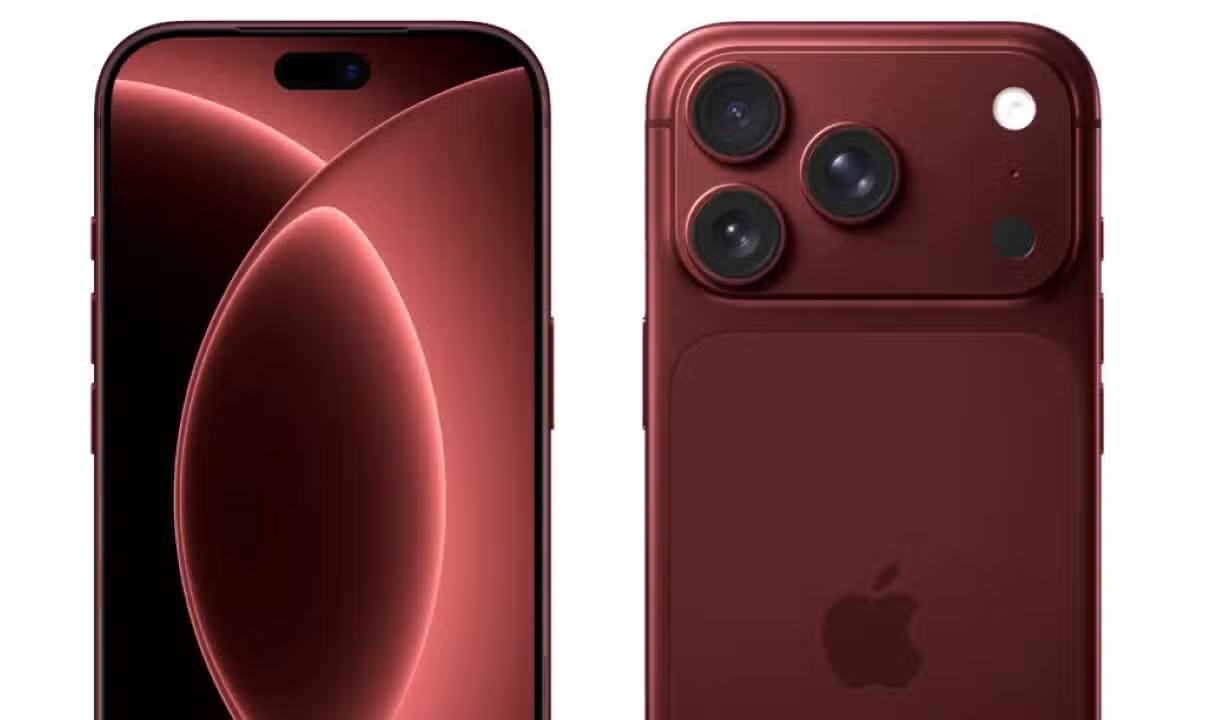
The technology industry is following the visual and hardware restructuring of the next Apple release. The company is preparing a drastic change in the industrial design of its main mobile device. The device will hit stores in September with an unprecedented aesthetic proposal for the brand.
The design abandons the traditional opaque finish and adopts a translucent back. The change allows the visualization of the internal components of the equipment. The company’s Engenheiros integrated high-strength materials to ensure the durability of the new structure. Industry Analistas point out that the modification requires a complete repositioning of the assembly lines at Ásia.
Estrutura aerospace titanium and reinforced glass make up the chassis
The development of the new chassis required the creation of a special, highly impact-resistant glass alloy. The translucent material exposes the phone’s logic board, internal connectors, and cooling modules. The manufacturer used aerospace-grade titanium on the edges to support the rigidity of the entire assembly. Essa combination reduces the overall weight of the product and maintains protection against accidental drops in everyday life. The metal frame goes through a rigorous, multi-step precision machining process. The method prevents twisting in the structure during daily use and guarantees a perfect fit of the pieces.
The back transparency introduces a physical challenge for the design team. Ambient light directly reaches internal parts. The company applied a dark coating on the most sensitive circuits to prevent degradation by ultraviolet rays. The matte finish on the edges contrasts with the glossy back panel. The aesthetics refer to the brand’s classic computers launched at the end of the nineties.
Two-nanometer Processador and vapor chamber control temperature
The device’s processing core jumps to two-nanometer lithography. The microscopic architecture increases the speed of executing complex tasks. The component consumes less electrical energy compared to previous generations. The main board houses 12 GB of RAM to support the operation of artificial intelligence tools operating locally. The operating system distributes workloads between high-performance and energy-efficient cores.
The increase in computing power generates excessive heat inside the glass housing. The manufacturer installed a vapor chamber-based cooling system to dissipate the temperature. Placas graphene coats the area around the main processor. The mechanism absorbs heat and transfers it to the titanium edges silently. The thermal solution prevents automatic speed reduction during prolonged gaming sessions or recording videos in very high resolution.
Carrier Tray Fim Makes Room for Enlarged Battery
The internal redesign allowed for the installation of a significantly larger power module. Removing old mechanical components freed up essential cubic millimeters inside the phone.
- The battery reaches a total capacity of 5200 mAh.
- The former chip drawer space now houses the thermal sinks.
- The device exclusively uses virtual chip technology for network connections.
The definitive transition to digital format eliminates device side entry in all countries. The absence of a physical drawer drastically reduces points of vulnerability against water and dust entering the main board. The user configures the telephone line using a digital code provided by the telecommunications operator in a matter of minutes. The 5200 mAh battery supports a full day of intense use without any need for intermediate recharging. Software power management identifies daily usage patterns and optimizes the consumption of applications running in the background.
Sensores invisible biometrics expand the usable area of screens
The dimensions of the displays have grown in this new generation of devices. The standard model features a 6.3-inch screen. The enlarged size version reaches 6.9 inches of viewing area. Engineers reduced the black borders around the light panel by 35%. The change maximizes space for reading and consuming media without increasing the physical size of the phone. Panel technology delivers accurate colors and bright brightness even in direct sunlight.
The front camera and facial recognition sensors operate below the main screen. The lens captures light through the tiny spaces between the monitor’s pixels. The system turns off the lighting in that specific area only when unlocking or taking photos. An optical fingerprint reader has also been integrated under the front glass. The user has two different biometric options to access the operating system and authorize digital payments.
Comunicação via satellite guarantees signal in remote areas of the globe
The equipment incorporates a high-power antenna for direct communication with satellite networks in low orbit. The function allows you to send short text messages in regions without cell tower coverage. The system guides the user to point the phone at the sky until they find the best available connection. The technology responds to emergency situations on deserted roads or isolated trails. The rescue service receives the individual’s exact location along with the call for help.
Partner factories on the Asian continent calibrate industrial machines for the start of mass production this semester. The complexity of the assembly requires new precision robots to seal the translucent glass into the titanium chassis without leaving air bubbles. Logistics planning provides for the simultaneous distribution of the product to the main consumer markets around the world. The global launch in 2026 tests the supply chain’s ability to deliver millions of units with the new thermal and structural architecture intact. The financial sector monitors manufacturing volume to project quarterly profits.