

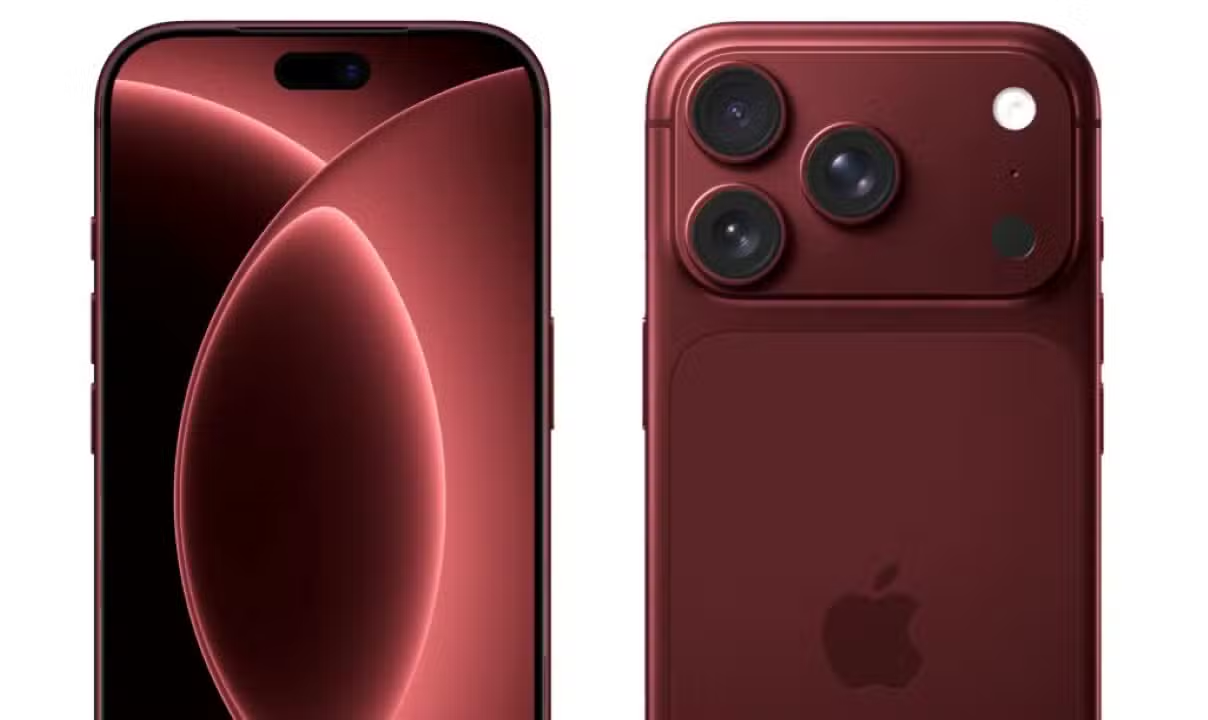
Apple has officially unveiled the iPhone 18 Pro for the global market. The device introduces a radical change in the aesthetics of the brand’s cell phone line. The main new feature is the completely transparent rear panel. Essa design choice leaves internal components visible to consumers, breaking with the closed visual pattern of previous generations. The device also has a 5,200 mAh battery. The capacity represents a significant increase in usage time away from sockets. The commercial launch is scheduled for September in several countries simultaneously.
The visual transformation required profound adaptations to the product architecture. Engenheiros needed to rethink the arrangement of the pieces to ensure a clean and organized look under the glass. The project involved creating new heat dissipation methods to protect exposed circuits. The company seeks to consolidate the model at the top of the ultra-premium mobile telephony segment in 2026. The final price in stores will reflect the high investments in research and the development of new materials in the industry.
Engenharia materials and titanium chassis
The rear window underwent rigorous chemical treatment in the manufacturer’s laboratories. The industrial process prevents the natural yellowing of the material over time. The reinforced alloy offers high resistance against accidental drops and everyday scratches. Transparency remains intact even after months of constant handling in different environments. The main structure of the cell phone uses aerospace-grade titanium. The metal guarantees extreme lightness and structural rigidity that is much higher than models made from aluminum or stainless steel.
The union between the machined metal and the translucent panel generated a complex industrial challenge for assembly lines. The development team created a unique chemical adhesive to seal the device from edge to edge. The compound permanently blocks the entry of water and dust. The device meets the most demanding protection certifications in the current technology industry. The reinforced seal does its job without interfering with the crystal clear view of the motherboard and other internal circuits of the phone.
Desempenho driven by 2 nanometer chip
The main processor of the iPhone 18 Pro uses the new 2 nanometer lithography. The component marks a historic advance in the miniaturization of transistors for personal mobile devices. The chip was specifically designed to run artificial intelligence algorithms natively. Running locally drastically reduces the need for constant connection to cloud servers. The smartphone has 12 GB of high-speed RAM. The expanded capacity ensures fluid transitions between dozens of applications simultaneously open on the screen.
Powerful hardware makes it possible to run complex language models in the background. The user can perform simultaneous audio and text translations without noticeable delays. The overall performance of the operating system remains stable during these heavy processing tasks. The integration between the advanced processor and memory optimizes the power consumption of the 5,200 mAh battery. Intelligent resource management extends the life of electronic components and maximizes the device’s daily autonomy.
Thermal Controle for exposed components
The inclusion of a high-density battery occurred without changing the overall thickness of the cell phone. The internal space was calculated to the millimeter to accommodate all hardware innovations. The display of the pieces required a cooling system completely redesigned by the engineers. Temperature control became the design team’s top priority during the testing phase. The solution found involves the use of advanced materials to dissipate the heat generated by the 2 nanometer processor.
- High-density graphene Placas removes heat quickly and silently.
- The vapor chamber system protects the rear window against overheating.
- The motherboard received a complete redesign to combine visual aesthetics and functionality.
- Ligas new metallic materials were used in the construction of the internal chassis modules.
The cooling mechanism works in sync with the temperature sensors spread throughout the device. The software adjusts the processing speed according to the heat detected in the titanium structure. Optimal operating temperature is maintained even when running graphics-heavy games or recording long, high-resolution videos. The user does not feel thermal discomfort when holding the device for prolonged periods. The efficiency of the dissipation system preserves the integrity of the transparent panel and the health of the battery.
Inovações in photographic set and connectivity
The rear camera module features a variable aperture mechanism on the main lens. The technology physically adjusts the light input according to the ambient lighting at the time of the click. The feature improves depth of field in portraits and creates authentic natural background blur. Night photos gain a higher level of sharpness compared to past generations. The system eliminates visual noise in places with very little available light, delivering clear and detailed images.
Todas lenses feature a special optical coating to block unwanted reflections from direct light sources. Optical zoom uses an enhanced refraction prism to stabilize images during motion shooting. The image signal processor applies artificial intelligence filters at the exact moment of capture. The software corrects color distortions and adjusts white balance automatically before saving the file. The communications infrastructure now supports satellite connections for short voice calls and delivery of compressed media in remote areas. The model definitively eliminates the physical tray for carrier chips.
Preparação of the production chain and global market
Asian factories have already started calibrating assembly lines for mass production of the new model. The supply chain works at a fast pace to ensure sufficient stocks for the global launch. Simultaneous distribution in several countries requires complex transport and storage logistics. Assembling the transparent panel requires newly installed precision machinery at partner manufacturing units. Quality control has been intensified to prevent any failure of the aerospace titanium chassis seal.
The technology sector is closely monitoring the reception of the new visual format by consumers. The bold design attempts to differentiate the product in a highly competitive and standardized smartphone market. The combination of long-lasting battery, advanced processing and premium materials sets the brand’s new manufacturing standard. Telephone operators are preparing campaigns focused on the definitive transition to virtual chip technology. The device hits shelves with the mission of leading sales in the most expensive segment of the market in the last quarter of the year.