

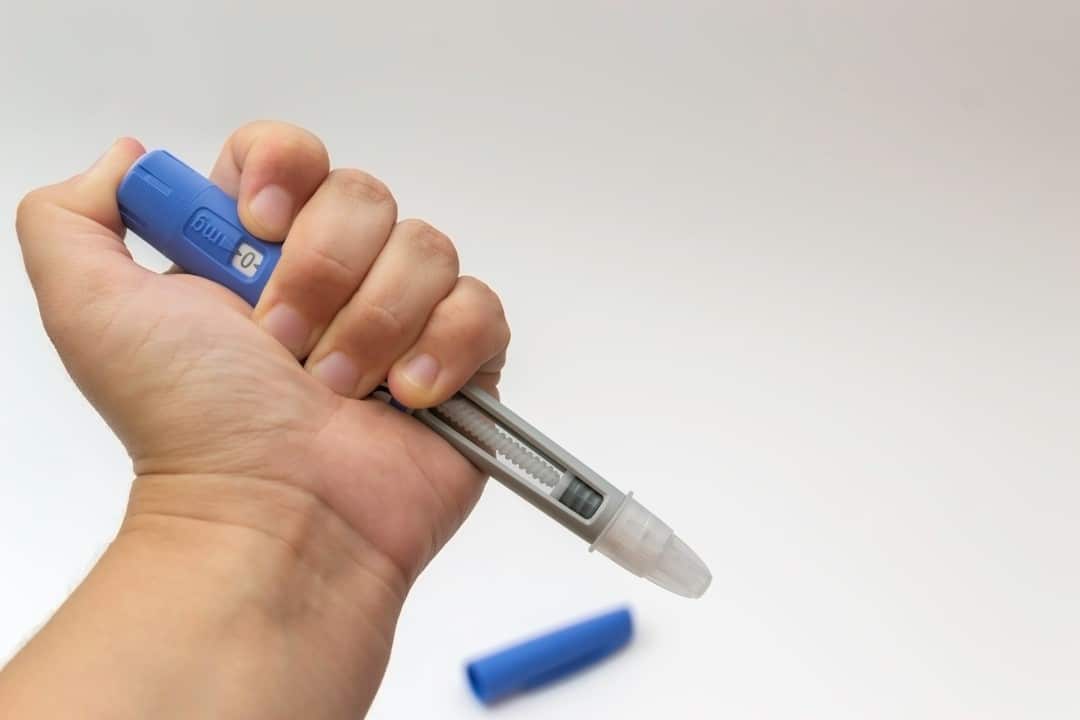
The breaking of semaglutide’s patent in March raised hopes for more affordable obesity medicines. But research shows an uncomfortable reality: between 9% and 14% of patients are unable to lose weight as expected in the first months of treatment with these injectable pens. The variation depends on the medicine and the dose used.
In the STEP 1 study, published in 2021 in The New England Journal of Medicine, 14% of participants treated with semaglutide did not lose even 5% of their body weight. Já in Surmount-1, with tirzepatide, the rate was 9.1% among those who received 15 mg. Doses minors recorded 11.1% and 14.9% non-response.
Fatores biologicals explain the inequality of results
The response to the medication depends on multiple factors. Pacientes with type 2 diabetes often have worse weight loss results, possibly due to greater insulin resistance. A 2024 study published in Diabetologia looked at 4,467 adults with diabetes and found that only 14% were able to simultaneously improve their glucose control and lose 5% of their weight.
Starting weight, age, duration of diabetes, and kidney function also influence results. Quanto The greater the patient’s body weight, the lower the body’s exposure to the medication, as revealed by a 2021 survey at Cell Reports Medicine. Isso helps explain why heavier people sometimes don’t respond as well to treatment as expected.
The way the body absorbs, distributes and metabolizes the drug varies between individuals. Endocrinologist Paulo Rosenbaum, from Einstein Hospital Israelita, states: “Each person responds differently to the medication. We can say that 5% to 10% of patients do not have a good response to this type of treatment.”
Insufficient Dose and side effects reduce adherence
The strategy of gradually increasing the dose improves tolerance, but many patients give up the medication because of side effects. A 2025 trial published in The Lancet showed that 7.2 mg semaglutide was superior to the standard 2.4 mg dose. The average loss was 18.7% versus 15.6% after 72 weeks. Pacientes who received the highest dose were also more likely to achieve losses of 20% and 25%.
But progressively increasing the dose generates more nausea, vomiting and other discomforts. “Many patients experience more side effects in this process and end up giving up the medication. In Nesses cases, it may be necessary to temporarily return to the previous dose or advance more slowly”, reports Rosenbaum.
- Náusea and vomiting (more common with tirzepatide)
- Diarreia and constipation
- Desconforto abdominal
- Fadiga
Interrupting treatment without medical supervision further harms results.
Genetic Componente paves the way for personalized treatments
Recent research published in Nature, involving 27,885 people using weight loss medications, identified a variant in the GLP-1 receptor gene associated with greater treatment effectiveness. The study also found associations between genetic variants and increased risk of side effects, especially with tirzepatide.
Esses findings suggest that genetic differences influence both efficacy and adverse effects. Isso opens up space for more personalized approaches in the future, allowing us to predict who will respond best and adjust treatment before it begins.
Medicamentos concurrent interfere with the results
The use of other drugs can block or reduce the action of weight loss pens. The Sociedade and Endocrinologia guidelines recommend reevaluating and, if possible, replacing medications that promote weight gain with neutral alternatives or those that aid weight loss.
Dentre those that can harm are insulin, antidepressants, antipsychotics, anticonvulsants, glucocorticoids and injectable contraceptives. Reviewing these medications is essential before attributing treatment failure solely to the weight loss pen.
What to do when treatment doesn’t work
Quando the patient does not achieve the expected weight loss, the first step is to check whether the dose adjustment was made correctly and whether there was continued use. Next, doctors must evaluate behavioral and clinical factors: inadequate diet, excessive alcohol consumption, poor sleep, stress and comorbidities.
Há also the emotional aspect. Alguns patients do not show the normal hormonal response to food intake. “When we eat, hormones linked to satiety and reduced appetite are released. But some patients do not have this response, and the urge to eat may be more related to emotional factors”, explains Rosenbaum.
Após this broad review, the strategy can be adjusted by reinforcing lifestyle changes, dose refinement or changing the medication. Manter Periodic monitoring is essential to sustain weight loss in the long term.
Custo-benefit pressures countries to adopt strict criteria
Medicamentos like semaglutide and tirzepatide are expensive, making cost-effectiveness analysis critical for healthcare systems. No Reino Unido, semaglutide was recommended only in specific cases, with a maximum period of use of two years and follow-up in a multidisciplinary service. No Canadá, public reimbursement now depends on clinical criteria and concomitant adoption of diet and physical activity.
No Brasil, Conitec rejected in August 2025 a request from Novo Nordisk to incorporate semaglutide and liraglutide into the SUS, citing high budgetary impact and uncertainties about cost-benefit. Porém, in 2026, the company announced a pilot program offering Wegovy on the public network of Sul’s Rio Grande and Janeiro’s Rio.
Segundo to Novo Nordisk, the program aims to generate data on clinical, social and economic impact on patients with severe obesity. Rosenbaum, however, warns: “Expanding access in the public system should not change the proportion of patients who respond or not to treatment. Essa variation exists in both the public and private sectors.”