

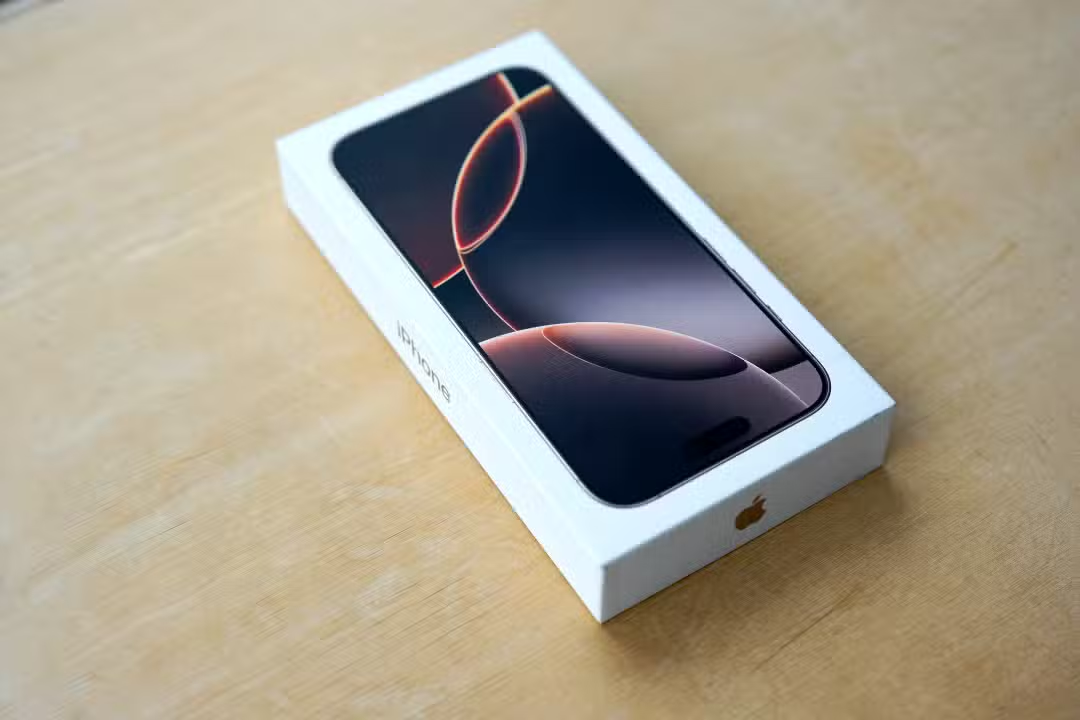
The North American manufacturer Apple structures the 2026 calendar for the arrival of the new generation of its smartphones. The planning involves the introduction of the long-awaited device with a folding screen and the debut of more efficient internal components. The company bets on a division of dates to keep consumers engaged throughout the months. The movement changes the tradition of concentrating all news in a single annual event.
The schedule points to a double movement in the global technology market. The most expensive and innovative devices hit the shelves first. Meses later, the entry-level versions complete the brand’s catalog. The strategy seeks to balance supply in the face of rising production costs and high demand for advanced semiconductors.
https://twitter.com/Ahmadansari2233/status/2044761962152878225?ref_src=twsrc%5Etfw
Marketplace Estratégia splits announcements into two stages
The company’s planning foresees the unveiling of premium equipment in the last quarter of 2026. The period between the end of September and the month of December will see the announcement of the Pro and Pro Max variants. The brand’s first foldable cell phone will also make its debut this window. The concentration of high-value products at the end of the year targets sales during the festive period.
The second phase of the schedule will take place in the following semester. The iPhone 18 base model and 18e version should appear in this step. Existe the possibility of an update of the Air line in the same event. The space of approximately six months between presentations guarantees continuous visibility in the specialized media. The supply chain also gains momentum to produce the necessary units.
Offering five to six different devices reflects a change in consumer behavior. The manufacturer tries to cover all price ranges in the high-end segment. Usuários with varying budgets find options within the same application ecosystem. Portfolio diversification helps shield the company against regional economic fluctuations.
New Processador promises leap in energy efficiency
The 2026 line will bring the A20 chip as the main engine of the devices. The component uses a 2 nanometer manufacturing process. The cheapest versions will receive the standard edition of the piece. The most expensive cell phones will have a superior variant. The market speculates the name A20 Pro for this advanced hardware, which will handle heavy artificial intelligence tasks.
The engineering behind the chip presents a profound structural change. The company must adopt a module that unifies multiple parts in the same physical silicon space. Unidade central processing, graphics, neural engine and memory will share the same base. Integration eliminates old physical connections. The direct result is a drastic drop in internal communication latency.
Battery consumption also improves substantially with the new architecture. Cell phones process data faster and use less energy. The miniaturization of semiconductors dictates the pace of today’s industry. The manufacturer follows this trend to maintain competitiveness against rivals that use the Android system.
Flexible Aparelho gains productivity-focused format
The foldable smartphone project takes on more defined contours behind the scenes in the industry. Recent industrial Maquetes show the proportions of the unprecedented equipment. The chosen format deviates from the standard adopted by direct competitors in the sector. The internal screen must have an aspect ratio close to 4:3. The wider display makes long documents easier to read.
The usability of the operating system will require severe adaptations for the new screen. Video consumption and spreadsheet editing gain space in this more square format. The device targets corporate audiences and technology enthusiasts willing to pay more. The final design remains under absolute secrecy at the company’s facilities at Califórnia.
Information about the product still circulates strictly unofficially. The company does not confirm the development of the articulated cell phone. The brand’s history shows that complex projects can be canceled before the official announcement. The market awaits a formal positioning only when the main executive takes the stage.
Paleta with renewed colors and changes to the front design
The visual identity of the new generation will undergo specific and calculated adjustments. The entry-level camera module will be smaller and more discreet. More expensive devices will maintain the triple block of lenses on the rear to guarantee photographic quality. The size of the screens will not change compared to previous generation models. The big visual novelty lies in the available tones.
The manufacturer is testing new finishes for the metal casing of premium devices. The vibrant orange tone should definitely leave the scene. The design team is evaluating the following options for the final 2026 catalog:
- Dark Cereja as the main new color bet for the Pro line.
- Azul clear in acceptance testing phase with focus groups.
- Cinza dark for corporate audiences who prefer absolute discretion.
- Classic Prata returning to the brand’s permanent portfolio.
The front of the device will also undergo important aesthetic refinements. The dark area at the top of the screen, which houses the sensors, should shrink significantly. The company plans to hide the facial recognition components underneath the bright display. Apenas the front camera lens will be visible on the main glass.
The side photo control button will exchange current technology for a more advanced system. The manufacturer will replace the capacitive sensor with high-precision pressure sensors. The user will be able to apply light touches to focus the image and firm pressure to capture the photo. The feature brings the user experience closer to dedicated professional cameras.
Preços designed reflects high components in the industry
The production cost of smartphones faces constant global pressure. The demand for RAM memory for artificial intelligence processing makes parts more expensive on the international market. The manufacturer tries to absorb part of this financial impact so as not to scare away loyal consumers. The basic model should maintain its starting price of US$799 in North American stores.
The scenario changes drastically for the device with a foldable screen. The complexity of the mechanical hinge and the flexible display increase the assembly cost in factories. Analistas financiers estimate that the product will cost between US$1,800 and US$2,500 at launch. The value places the equipment at the absolute top of the technological luxury category.
The direct conversion of these values indicates figures between R$8,970 and R$12,459 at the current exchange rate. The official price in Brazilian commerce will be considerably higher due to the tax structure. The tax burden and import logistics costs affect the final price passed on to the customer. The company will define the local commercial strategy just weeks before the devices arrive at national retailers.