

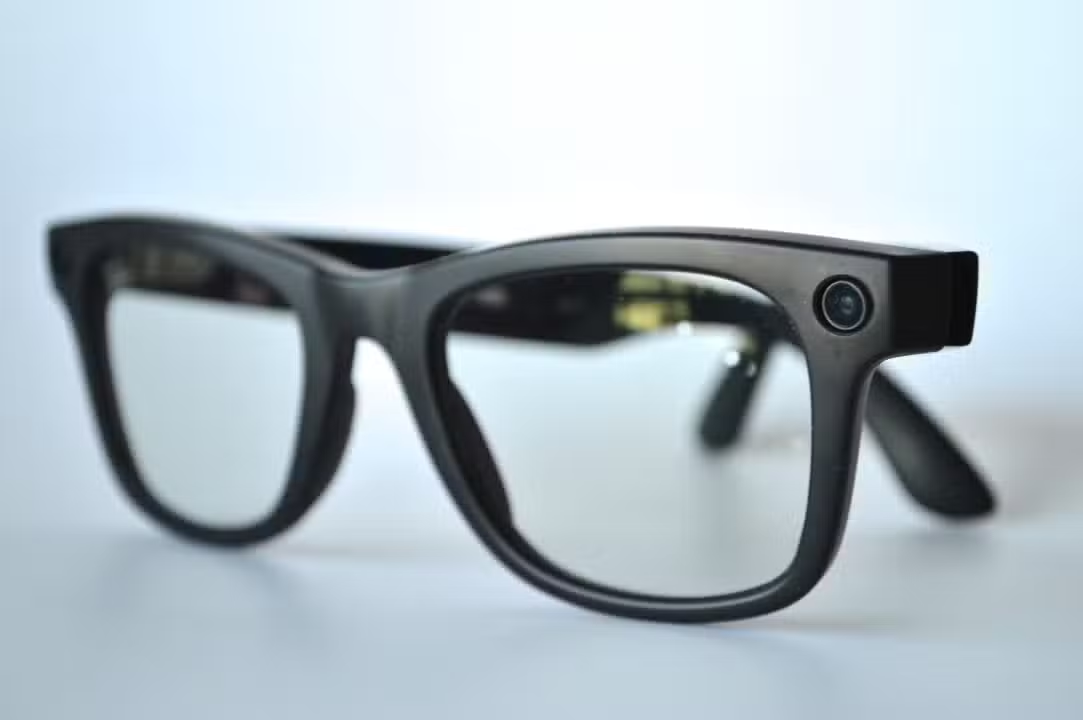
South Korean manufacturer Samsung confirmed its entry into the smart glasses segment with the Galaxy Jingu model, scheduled to reach the global market in 2026. The equipment focuses on advanced audio features and direct integration with the Android ecosystem. Prices should vary between US$380 and US$500 in international stores. The initiative marks a change in the Asian company’s strategy for the mobility and connectivity sector.
The launch establishes a new front of dispute in the wearable devices sector. The company plans an approach divided into two chronological stages to attract ordinary consumers and specialized professionals. A superior version, officially named Hayen, will debut in 2027 with a full focus on augmented reality. The cost of the advanced model will be in the range of US$600 to US$900. The schedule aims to prepare the public for the technological transition gradually.
Design focused on lightness and audio without ear obstruction
The Galaxy Jingu does not require the use of screens integrated into the glass lenses. The manufacturer opted for a high-precision bone conduction speaker system. Essa technology transmits sound waves directly to the inner ear through vibrations in the bones of the skull. The user’s ear canal remains completely free and unobstructed. The individual can listen to music, podcasts or phone calls while maintaining absolute awareness of the sounds of the surrounding environment.
The physical structure of the accessory prioritizes ergonomic comfort for continuous use throughout a full working day. The total weight of the equipment reaches just 50 grams. The aesthetic shape resembles traditional prescription or sun frames available in opticians. Lentes photochromic panels come with the product from the factory in all versions. Elas darken automatically and instantly when exposed to intense sunlight. The quick transition makes it easier to move between indoor and outdoor environments without having to change glasses during your routine.
The development of the housing required the miniaturization of several essential electronic components. Engineers distributed the weight of the batteries and processors across the side rods to avoid pressure on the user’s nose. The external finish uses materials resistant to drops and splashes of water. The durability of the material guarantees safe use during outdoor sporting activities and daily urban commutes.
Especificações new wearable device techniques
Accessory data processing relies on components designed specifically for the small, lightweight form factor. The internal architecture seeks to balance high software performance with low electrical energy consumption. The partnership with chip supply companies guaranteed the creation of a millimetric motherboard.
The hardware set has the following main features from the factory:
- Processador Snapdragon AR1 dedicated to portable devices
- Front Câmera manufactured by Sony with 12 megapixel resolution
- Bateria internal rechargeable with 155 mAh total capacity
- Sistema operational Android XR running natively
- Direct Integração with Google’s Gemini artificial intelligence
The presence of the 12 megapixel camera allows you to capture first-person photographs and videos with professional quality. Recording is triggered by simple voice commands or subtle touches on the side of the right rod. Gemini artificial intelligence works to process data in real time. The software performs simultaneous foreign language translations and provides audio navigation routes directly to the ear. The operating system learns the owner’s usage patterns to anticipate frequent commands.
The 155 mAh energy capacity is sized to support basic functions during business hours. Power management disables inactive sensors to extend autonomy away from the socket. The carrying case doubles as a portable charging base, similar to the system used in modern wireless headphones.
Premium Versão with augmented reality arrives next year
The brand’s strategic planning includes expanding the line with the Galaxy Hayen model in 2027. The device will represent the absolute top of the line in the company’s smart glasses catalog. A principal diferença estrutural reside na inclusão de um display translúcido de alta definição integrado diretamente às lentes frontais. The screen will display digital information, graphics and text superimposed on the user’s actual field of vision. Exact details about the panel’s maximum resolution and brightness level remain under strict industrial secrecy.
The advanced equipment will maintain all the technological base presented in the previous model. Bone conduction, the high-resolution Sony camera and the Snapdragon processor continue to be present in the new architecture. The product’s target audience undergoes a significant commercial change. The manufacturer targets the Hayen specifically at architects, engineers, industrial designers and multiplatform digital content creators.
The augmented reality tool will allow the visualization of full-scale three-dimensional projects inside offices. Profissionais will be able to consult patients’ vital data without looking away during clinical procedures. The software will facilitate remote work meetings by projecting interactive holographic elements into the physical environment. Research investment focuses on eliminating image delay to prevent nausea during prolonged use.
Market Estratégia focuses on Android system ecosystem
Native compatibility with the Google services environment represents the central business pillar of the South Korean project. Data synchronization with smartphones from the Galaxy line occurs instantly via a high-speed wireless connection. Pairing extends the main functions of the cell phone directly to the user’s face. The company seeks to retain its current customer base and attract consumers from other competing brands who already use the Android system on a daily basis.
The price range of the initial model attempts to democratize access to the new category of electronics. The starting price of US$380 strategically positions the product below direct competitors with similar technical specifications. Profissionais logistics companies that rely on free hands during working hours form a priority niche for corporate sales. Entregadores applications, network maintenance technicians and high-performance athletes can operate the entire operating system with just precise vocal instructions.
Concorrência direct with technology giants
The launch schedule reflects the general and accelerated movement of the global electronics industry. Meta has established a solid business partnership with the Ray-Ban brand to dominate the early segment of glasses without an integrated display. Apple operates at the opposite end of the market with the Vision Pro headset, focused on total virtual immersion and high acquisition cost. The Asian manufacturer tries to occupy the exact intermediate space between the two technological proposals.
Galaxy Jingu directly attacks the market share gained by Meta in recent months. The Hayen model, in turn, will set the corporate stage for more complex disputes against Apple solutions in the near future. The mass adoption of wearable face devices still faces cultural barriers and strict privacy laws in several countries.
The presence of discreet cameras attached to frames circulating in public spaces generates legal debates about capturing images of third parties without prior consent. The company has implemented mandatory LED light indicators that light up visibly during any type of video or photo recording. The gradual launch strategy allows us to test real public acceptance with a simpler product before introducing augmented reality definitively into society’s daily lives.