

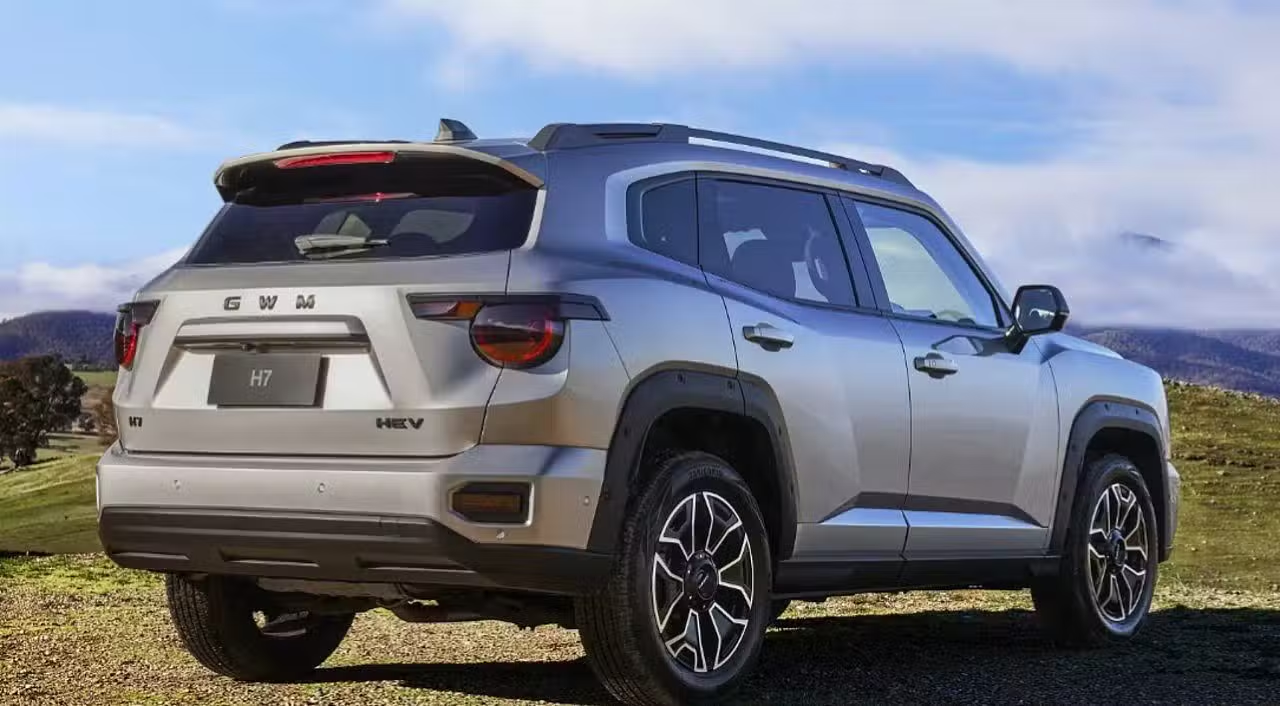
Car manufacturer GWM has scheduled the introduction of the Haval H7 model in the Brasil automotive sector for the year 2026. The vehicle is part of the medium sports utility vehicle category. The model uses an electrified propulsion system. The initiative expands the Asian company’s product offering across the country, consolidating long-term planning for the region. The official schedule foresees the availability of the first units at dealerships during the second half of the year. The initial import will serve to test consumer receptivity before any decisions about local production are made.
The commercial decision follows the increase in demand for efficient cars in urban centers. The new utility combines a traditional combustion engine with high-capacity auxiliary electrical equipment. Essa technical configuration allows travel in all-electric mode during short journeys. The technology eliminates gasoline consumption in daily routines. The brand seeks to establish a competitive position against already consolidated competitors in the electrified segment. The energy transition in the automotive sector requires the offering of products that balance technological innovation and economic viability.
Engenharia applied and energy efficiency
The Haval H7 architecture utilizes a platform specifically developed to optimize power consumption and weight distribution. Engineers designed the structure with a focus on reducing the vehicle’s total mass. The construction uses high-strength metal alloys. Essa technical characteristic reduces the mechanical effort required for movement and improves dynamics in curves. The hybrid system automatically manages the switch between electric and combustion engines without the need for driver intervention. The on-board computer analyzes the driving conditions, the slope of the road and the pressure on the accelerator. The most suitable energy source is determined in fractions of a second.
The set of rechargeable batteries provides the electricity necessary to operate the alternative thruster in different speed ranges. The storage capacity guarantees sufficient autonomy for daily use on urban roads without activating the thermal engine. Direct emissions drop to zero in this driving mode. Charging occurs both through connection to external electrical networks and through the energy regeneration system during braking and deceleration. The interior of the cabin incorporates high-resolution digital panels and connectivity systems integrated with the occupants’ mobile devices. Active safety equipment includes autonomous emergency braking and lane keeping assist.
Adaptação technique for national highways
The automaker’s engineering team has been carrying out practical tests with prototypes of the sport utility vehicle in different regions of the country for several months. Vehicles travel thousands of kilometers on paved highways and dirt roads. The objective is to evaluate the behavior of mechanical and electronic components. The tropical climate requires specific calibrations in the battery and combustion engine cooling systems to prevent overheating. Extreme temperature variations directly affect the performance, recharge speed and useful life of energy accumulators.
The quality of Brazilian asphalt also demands precise adjustments to the geometry of the car’s suspension. Technicians modify the load on the shock absorbers, the thickness of the stabilizer bars and the stiffness of the springs. The change guarantees passenger comfort on uneven roads. The acoustic insulation receives structural reinforcements to minimize the transfer of external noise and vibrations into the cabin. The model approval process is being processed by traffic and environmental regulatory bodies, following the established legal deadlines. The release of official documents attests to compliance with road safety standards and strict pollutant emission limits.
Posicionamento commercial and fulfillment infrastructure
GWM’s sales strategy positions the Haval H7 as an intermediate and technological option within the manufacturer’s portfolio. The vehicle will occupy a market range below the Haval H9 model. The larger utility has been part of the country’s circulating fleet since 2023 with larger dimensions. The company structures a pricing policy based on direct competition with sports utility vehicles from Japanese, American and European brands. The opening of a pre-sale period will precede regular distribution in physical stores. The tactic of advance reservations moves the market and generates predictability for the logistics operation.
Support for owners requires the structuring of a specialized technical assistance network spread across the national territory. The company invests in continuous training of mechanics for the safe handling of high voltage systems and diagnosis of electronic faults. Repair centers receive specific tools, personal protective equipment and state-of-the-art computerized diagnostic software. Spare parts distribution logistics covers exclusive components of the hybrid engine. Planning ensures agility in corrective maintenance services.
The electrical system warranty policy follows the parameters adopted by the global automotive industry to provide security to buyers. Coverage terms include the following operational guidelines:
- Proteção integral against manufacturing faults in the rechargeable battery pack and control modules.
- Prazo validity period extended to eight years from the billing date of the brand new vehicle.
- Limite of use established at 160 thousand kilometers driven, whichever condition occurs first prevails.
- Manutenção programmed with electrical component integrity check and software update.
- Substituição of defective cells in case of premature degradation of energy storage capacity.
The offer of financing plans with differentiated rates is part of the