

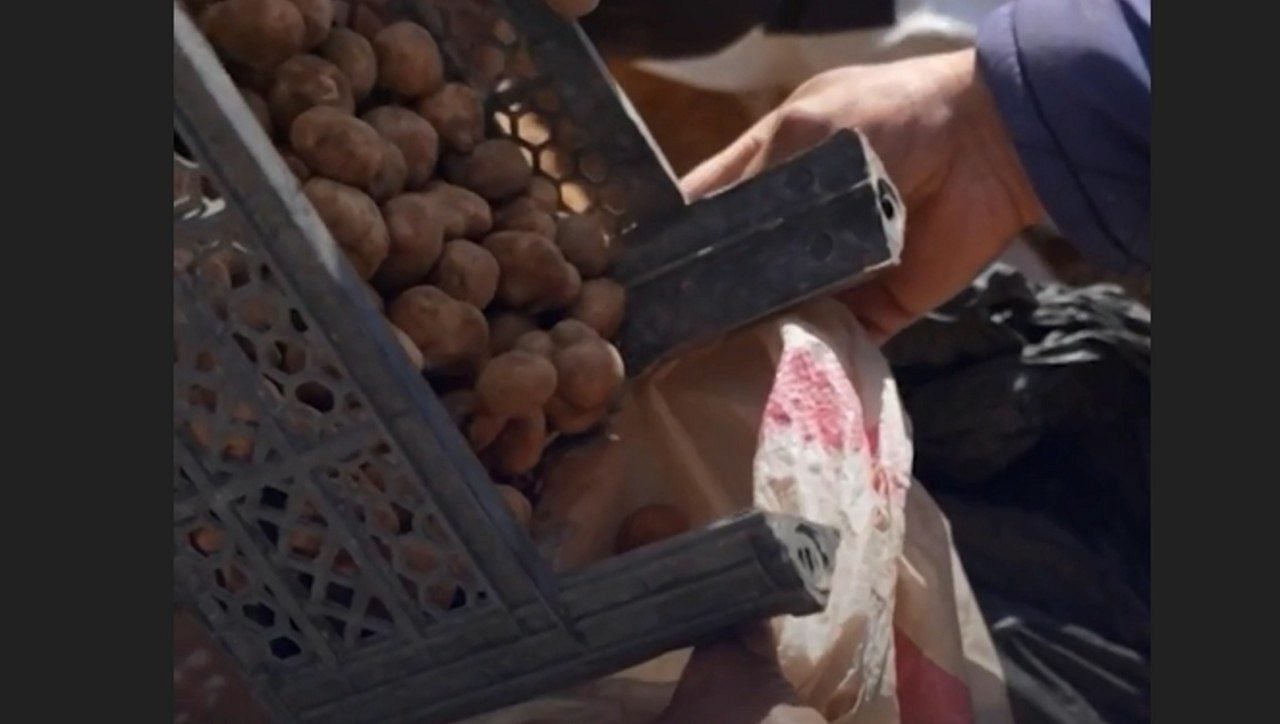
Caçadores Syrians risk their lives to collect truffles in Deir El-Zour, a northeastern region of the country marked by landmines and attacks by extremist groups. The activity offers significant financial gains — each kilo of the delicacy can fetch up to US$50 on the market — in a context of few economic alternatives. Hassan Al-Daham Al-Hassan, one of the collectors, reports a traumatic experience. Seu’s arm is broken and his back is full of shrapnel after a mine explosion that destroyed his truck.
The hunters’ vulnerability extends beyond the mines. Ataques of armed groups, including remnants of Estado Islâmico, occur regularly in the region. The established peace still appears fragile, keeping the territory in a state of permanent alert.
Explosões dailies and lack of warnings
Hamza Al-Mohammad, another seriously injured hunter, points to institutional negligence as an aggravating factor. Ele did not receive any warning about the presence of traps in the area where he collected. The explosion that hit him follows a pattern of frequent occurrences in the region.
Diariamente explosions injure collectors and civilians in Deir El-Zour. Hamza describes the situation as a humanitarian disaster and calls for government action:
- Falta signaling in areas with landmines
- Ausência public mapping of contaminated areas
- Explosões recurring events affecting collectors and popular
- Demanda for large-scale demining operations
- Necessidade Government Security Oversight
Economia survival in a war context
Truffle collecting represents one of the few sources of income for residents of Deir El-Zour after years of intense conflict. The destruction of infrastructure, business closures and mass unemployment have made the activity essential for local families. The high price of the delicacy on the international market maintains a flow of collectors willing to face extreme dangers.
Hassan and Hamza know the risks. Ambos frequently see the mines while working. Ignorá-las means death or serious injury. Prosseguir means chance of income, even if minimal. The choice is repeated daily for dozens of hunters.
Fragmentação territorial and limited control
The Syrian Estado faces difficulties in maintaining an effective presence in Deir El-Zour despite recent military advances. Grupos paramilitaries and Estado Islâmico cells remain active in the region. Esse vacuum of authority prevents implementation of basic security measures and organized demining operations.
Caçadores operates in an environment where Estado does not provide protection, guidance or security infrastructure. Educação about mines, maps of contaminated areas and danger signs practically do not exist. Cada collector acts on its own, relying on intuition and luck.
Demanda international sustains risk
Syrian Trufas conquered global markets before the conflict. Quality and scarcity keep prices high even after war. International Consumidores are unaware of the human cost behind each kilo acquired. Intermediários profit by significant margins, while collectors receive a fraction of the final price.
Essa Global economic dynamics create perverse incentive. Quanto the more dangerous the collection, the greater the risk of death, the scarcer the delicacy, the higher the price. Caçadores Syrians are trapped in a cycle where their physical vulnerability converts into market value.