

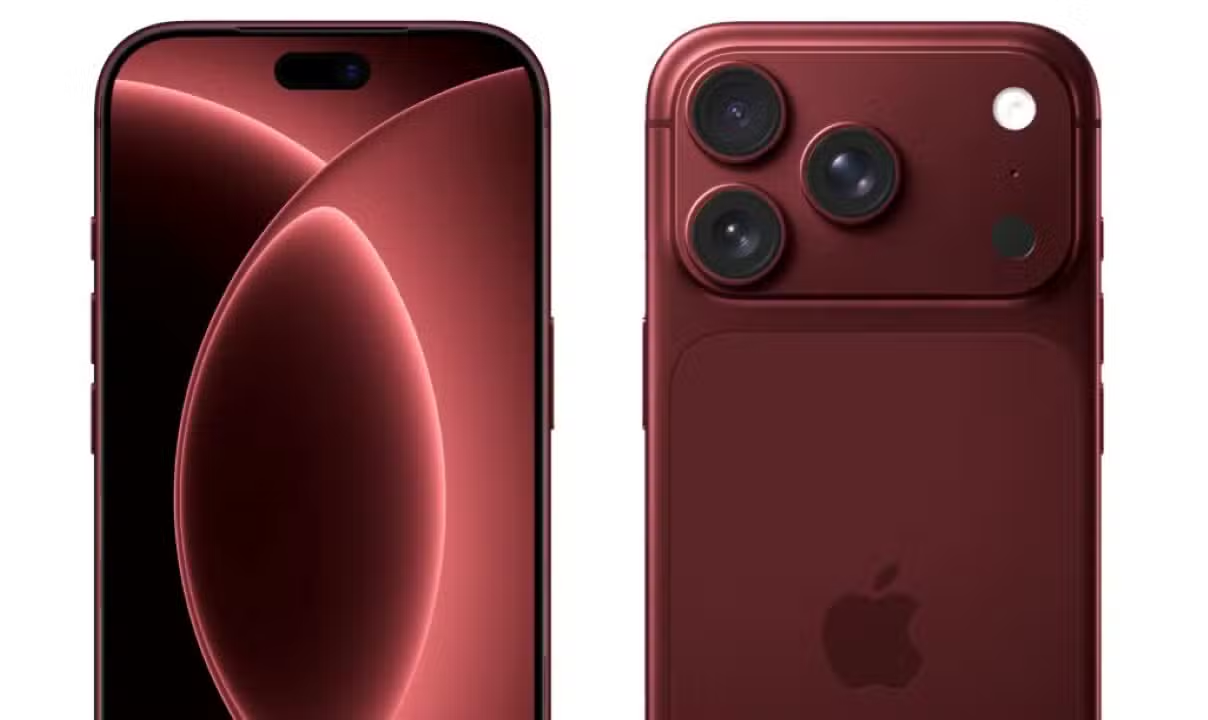
The North American manufacturer officially revealed its latest mobile device aimed at the high-end segment. The new iPhone 18 Pro introduces a profound aesthetic change to the company’s product line. The device has an entirely translucent rear panel. Essa engineering choice leaves internal components visible to consumers. The device also incorporates a 5,200 mAh battery. The capacity represents a significant increase in usage time away from sockets.
The commercial launch of the product takes place in September in the main global markets. The visual change required complex adaptations to the chassis assembly. The main structure uses aerospace-grade titanium to ensure light weight. Engenheiros needed to rethink the weight distribution and sealing of the equipment. The result delivers an unprecedented look without sacrificing the durability demanded by consumers in this price range. The assembly reflects years of research into new industrial materials.
Engenharia of translucent glass and metal structure
The rear panel of the smartphone uses a reinforced glass alloy that has undergone a specific chemical treatment. The process prevents the natural yellowing of the material over time. The surface resists accidental impacts and everyday scratches. Transparency remains intact even after months of constant handling. The choice of this material required rigorous mechanical stress testing. The central objective was to create a robust physical barrier that did not hide the electronic complexity of the device.
The union between the machined metal and the glass back required the creation of an exclusive industrial adhesive. The chemical compound completely seals the device against the entry of water and dust particles. The device meets the highest protection certifications available in the technology industry. Sealing occurs without compromising the visibility of the motherboard and circuits. Aerospace-grade titanium provides the necessary rigidity to prevent twisting in the main structure.
Controle thermal and component reorganization
Optimizing the internal space allowed the inclusion of a 5,200 mAh battery without compromising the cell phone’s thickness. The energy module occupies an area calculated to the millimeter. Exposing internal parts turned temperature control into a complex challenge for the development team. The heat generated by the parts needed to be dissipated without the use of traditional opaque layers. The manufacturer implemented a cooling system based on new physical principles.
- High-density graphene Placas dissipates heat from the processor quickly.
- The vapor chamber system protects the glass panel against overheating.
- The motherboard has undergone a complete redesign to meet aesthetic and functional criteria.
- The assembly uses metal alloys that are unprecedented in the mobile phone category.
The joint functioning of these thermal elements guarantees the stability of the operating system. Graphene acts as a primary heat conductor. The vapor chamber distributes the temperature evenly across the titanium edges. The user does not feel excessive heat in their hands during heavy tasks. The visual reorganization of chips and connectors transformed the device’s interior into a design element. The internal industrial aesthetic complements the translucent glass proposal.
Advanced Processamento and memory expansion
The central core of the equipment operates with a chip manufactured using the 2 nanometer process. The measure represents a historic advance in the miniaturization of commercial transistors. The component runs artificial intelligence algorithms natively. Local processing reduces dependence on cloud-based servers. The device’s RAM memory rose to 12 GB. The technical improvement guarantees fluid navigation when switching between multiple applications open simultaneously.
Increased processing power makes it possible to run complex language models in the background. The device performs simultaneous voice and text translation tasks without slowing down. The overall system performance remains stable even under high computational demand. The new chip interacts directly with temperature sensors. Intelligent power management reduces processor speed only when absolutely necessary. Energy efficiency maximizes the potential of the new battery.
Photographic Sistema with physical light adjustment
The rear camera set features a variable aperture mechanism on the main lens. The technology derives from professional photographic equipment. The system physically adjusts the amount of light that reaches the image sensor. Mechanical adaptation improves depth of field in portraits. The background blur generated by the lenses has an authentic and natural appearance. Fotografias recorded during the night gain a superior level of clarity. The mechanism eliminates visual noise common in dark environments.
Todas module lenses received an unprecedented optical coating created in the laboratory. The thin film mitigates unwanted reflections caused by direct light sources. The optical zoom system incorporates an improved refraction prism. The part mechanically stabilizes the image during moving video recordings. The camera hardware works in sync with the image signal processor. Filtros artificial intelligence corrects color and white balance distortions at the exact moment of the click.
Comunicação via satellite and trading strategy
The smartphone’s antenna infrastructure has received updates to support high-capacity satellite connections. The feature allows you to make short voice calls in remote areas. Sending compressed multimedia files occurs even without coverage by traditional cellular networks. The device definitively eliminates the physical tray intended for carrier chips. The full transition to virtual technology simplifies activating phone lines. The saved internal space houses components of the new cooling system.
The supply chain located at Ásia has already started calibrating the assembly lines. Mass production aims to ensure adequate stocks for simultaneous global launch. The price positioning of the equipment reflects the high research and development costs. The transparent materials and titanium chassis make manufacturing more expensive. The new model consolidates the brand’s presence in the ultra-premium segment of the technology market. The strategy focuses on consumers who seek material innovation and extreme performance.