

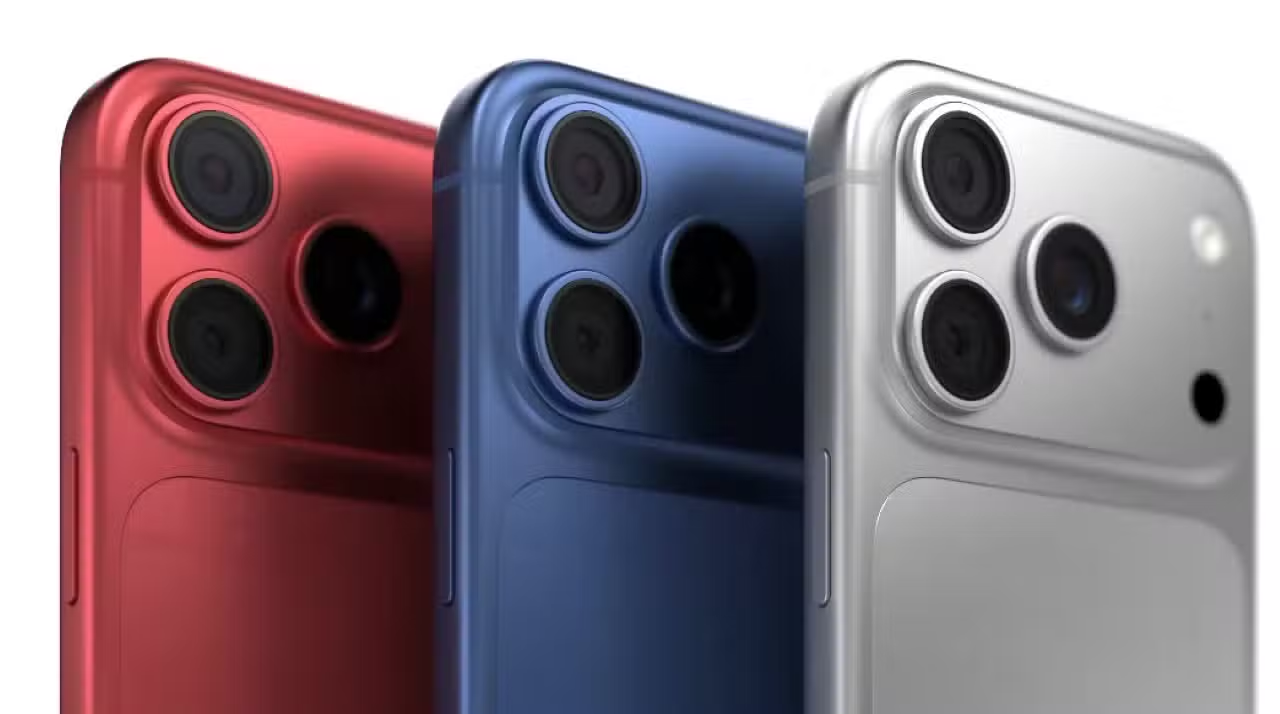
The mobile device industry is closely following recent leaks about the development of the iPhone 18 Pro. The Apple plans to introduce a profound visual overhaul to the device, highlighting the implementation of a fully transparent rear chassis. The project also includes a significant leap in energy capacity, adopting a 5200 mAh battery. Especialistas from the sector point out that the change seeks to redefine the aesthetic standards of the premium category.
The American manufacturer’s decision responds to a long-standing demand from consumers for greater autonomy in daily use. The new format requires a complex internal reorganization, as the parts will be visible to the end user. The strategy represents a departure from the traditional design lines maintained in the brand’s latest generations of smartphones. Concorrentes is already monitoring the company’s steps to adjust its own hardware release and development schedules.
The engineering challenge in new glass design
Adopting a translucent backplane imposes considerable technical hurdles for the development team and supply chain. Engineers need to ensure that internal components such as circuit boards, cooling modules, and connectors present a visually flawless finish. Industrial aesthetics take on absolute prominence in this model. Flexible Cabos, electromagnetic shields and screws, previously hidden under layers of metal or frosted glass, now require meticulous and symmetrical design treatment. The company works hard to create a harmony between the raw functionality of electronic parts and the brand’s characteristic minimalist elegance.
Thermal management emerges as another central concern in device architecture. Transparent Materiais often have different heat dissipation properties compared to previously used aluminum or titanium alloys. The manufacturer develops specific cooling solutions to prevent the processor from overheating during intense tasks. Testes rigorous resistance to drops, pressure and scratches occur daily in the company’s laboratories. The structural integrity of the device cannot be compromised by the new choice of covering materials.
Autonomia expanded with new energy capacity
The jump to a 5200 mAh battery marks one of the biggest hardware upgrades ever in the history of the company’s smartphone lineup. Dispositivos of previous generations operated with noticeably lower physical capabilities, which often limited active screen time in more demanding activities such as GPS navigation or heavy gaming. The new high-density technical specification allows the phone to support long video recording sessions in 4K resolution or continuous use of high-speed networks without the need for intermediate recharges during the day. Corporate Usuários, independent professionals and content creators represent the public that will benefit most directly from this structural change.
Energy efficiency does not depend exclusively on the physical size of the charge storage component. The operating system undergoes deep optimizations in its code to manage consumption intelligently. Fine integration between hardware and software ensures that background processes use as little energy as possible. Dynamic resource management adapts the device’s performance according to the owner’s daily usage pattern.
- Redução from the chemical degradation of the power cell over years of continuous use.
- Suporte enhanced for fast wireless charging protocols on magnetic docks.
- Distribuição intelligent thermal load during the power supply process.
- Maior stability in power delivery for advanced photo sensors.
The time required to fill the battery to full capacity also receives special attention from hardware developers. Controladores power modules prevent premature wear of internal storage components. The embedded technology monitors the system temperature in real time, adjusting the electrical current to preserve the long-term useful life of the equipment.
Advanced Processamento and artificial intelligence integration
The heart of the new smartphone houses a cutting-edge processor specifically designed to handle complex algorithms. The chip’s architecture prioritizes the execution of artificial intelligence tasks directly on the device, without depending on constant connections to external servers. Essa approach increases user data privacy and drastically reduces response time on voice commands or heavy image editing. The reduced lithography of the semiconductor directly contributes to the battery savings mentioned by engineers.
The camera array takes advantage of extra computing power to improve light capture in low-light environments. Larger Sensores work in conjunction with the image signal processor to deliver photographs with low visual noise. Artificial intelligence analyzes the scene in fractions of a second, automatically adjusting exposure, contrast and white balance before the click. The end result reflects professional-grade processing accessible to the average consumer.
Expectativas of the sector and competition movement
Market Analistas projects a heated sales cycle after the official announcement of the product. The combination of a new look with substantial battery improvements creates a strong commercial appeal for updating older devices. Investidores monitors fluctuations in the company’s shares, anticipating the positive financial impact of the launch. The global supply chain is already receiving bulk orders for specific components to begin mass assembly of the device.
Fabricantes Asian smartphone companies are already studying strategic ways to respond to the radical innovation proposed by the American brand. Algumas Competing companies accelerate the development of their own premium models equipped with high-density batteries based on new silicon technologies. The concept of a transparent back, although it has already been explored timidly in specific niches of the cell phone market, gains a new dimension and commercial relevance when entering the main high-end segment. The fierce competition for global consumer preference promises to intensify advertising campaigns in the coming months.
Telephone operators prepare network infrastructures to support the increase in data traffic generated by the device’s new capabilities. Retail Lojas organizes technical training so that salespeople understand the details of the exposed architecture. The global distribution schedule follows the logistical standards established by the manufacturer, with initial batches targeted at markets with the highest sales volume. The technology industry awaits confirmation of final specifications during the company’s presentation event.