

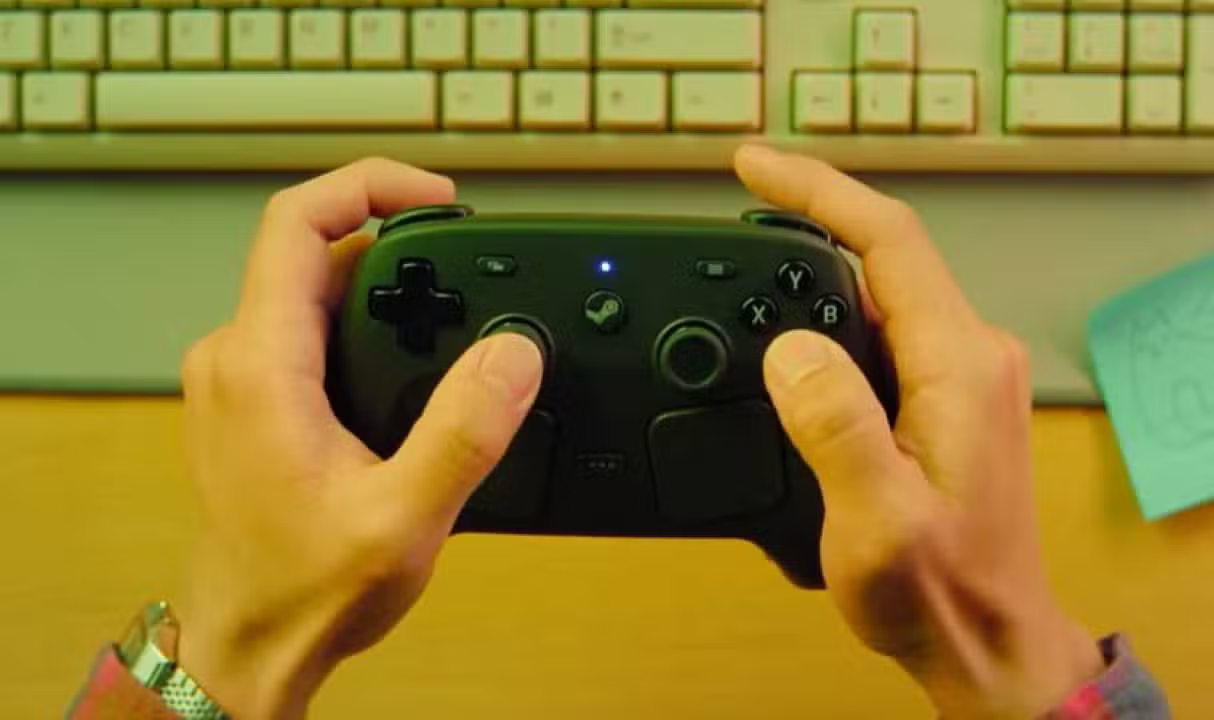
The manufacturer Valve regains its control over the computer peripherals market with profound structural improvements in 2026. The device presents a renewed proposal after facing public resistance in its first generation. The hardware now competes for shelf space with traditional controllers through an advanced customization system and expanded compatibility. Analistas from the technology industry and professional gamers are beginning to recognize the rig as a viable choice for extended PC gaming sessions.
The company invested significant resources into ergonomic refinement and haptic feedback after tabulating feedback from its active user base. The Steam Controller incorporates sensitive trackpads and sophisticated haptics technology, distancing itself from competitors who maintain conventional designs. Esse technical difference allows precision comparable to that of mice in certain game genres. The format maintains the physical convenience of a traditional controller for titles that require fluid and constant movement.

Inovação in haptic feedback and command customization
The peripheral’s structure focuses its innovation on the ultra-responsive tactile feedback system. Dual trackpads replace conventional analog sticks. Essa engineering change provides a granular response that can be configured individually for each game. The platform’s native community programming allowed the creation of thousands of pre-optimized layouts for specific titles. Users experience a significantly shorter learning curve compared to the previous generation model.
Independent vibration motors located internally within each trackpad create the physical illusion of varying textures and surfaces. Jogadores report a feeling of greater immersion in racing simulators and puzzle platforms that explore this sensory aspect. The equipment’s internal battery provides an autonomy of more than 40 hours of use with a single continuous charge in wireless mode. Optimized power management reduces the need for interruptions during starts.
Hardware compatibility extends far beyond the manufacturer’s digital store ecosystem. The device works natively on the Windows operating system and supports browsing in browsers through specific settings. Third-party Integradores has already mapped the controller’s features for use on desktop consoles via USB adapters. Essa flexibility of use marks a clear strategic shift by the company in relation to the hardware isolation practiced in previous years.
Especificações hardware and connectivity options
The equipment maintains a reduced weight of approximately 220 grams. The lightness of the material favors long sessions of use without causing manual fatigue or discomfort in the wrists. The connectivity system combines a modern USB-C port with an ultra-low latency wireless pairing option. The signal sweep frequency reaches the 1000Hz mark. The number equates the device’s response time to premium peripherals in the traditional esports market.
The main technical characteristics of the product include specifications aimed at high performance:
- Dois touch-sensitive trackpads with granular response and independent haptics
- Motores precision vibration distributed in different zones of the control
- Rechargeable internal Bateria lasting over 40 hours per charge
- Conectividade via USB-C cable and wireless network with latency below 5 milliseconds
- Suporte integrated with over five thousand pre-configured community layouts
- Compatibilidade direct with Windows and macOS via third-party adapters
- Optional integrated Tela OLED for real-time viewing of system status
Technology critics begin to recognize the merit of innovative design after prolonged laboratory testing. Specialized publications highlight the smoother learning curve provided by recent updates. Sessões games lasting more than four hours demonstrate ergonomic comfort that is superior to traditional analogue controls. The benefit appears particularly in real-time strategy games and complex flight simulators.
Posicionamento market and public reception
PC gaming communities remain divided between staunch supporters of the new technology and consumers skeptical of mass adoption. Owners of large game libraries report a significant reduction in time spent configuring buttons after community software updates. Discussion forums see a 30% increase in positive reviews compared to the previous quarter. The indicator points to a noticeable change in public sentiment towards the product.
The initial retail price appears as a commercial barrier for a portion of consumers. The device costs approximately R$350 in Latin American markets. The sticker value directly rivals premium peripherals from competing brands. The cost-benefit is only justified for players who invest more than 20 hours a week in digital entertainment, according to the evaluation of experienced users. Casual players find more economical alternatives that suit their basic needs.
The peripheral compares directly with the Xbox Series X Controller and the Sony DualSense in terms of versatility. The equipment offers superior customization and native compatibility with computers in competition with the Microsoft product. The model differs from the DualSense by eliminating the use of proprietary cables and by integrating robust community software. Traditional generic controllers lack sophisticated haptic feedback and remain an option only for restricted budgets.
System Atualizações and projections for the future
The specialized niche segment finds differentiated value in the exclusive features of the hardware. Audience segmentation reduces direct competition with conventional video game manufacturers. The company does not pursue a massive volume of sales in traditional retail. The corporate strategy positions the peripheral as a premium tool for enthusiasts who value extreme customization and technological innovation. The global accessories market moves billions annually and opens up space for unique proposals.
The manufacturer made a public commitment to release quarterly software updates. Data packages expand the compatibility list and refine physical response algorithms. The latest version of the program integrates an artificial intelligence system for automatic sensitivity adjustment. The technology learns individual player preferences based on daily usage history. The mechanism adapts the response of the trackpads and reduces the need for constant manual reconfiguration.
The next iterations of the design point to the integration of additional pressure sensors into the rear triggers. Engineers are also evaluating the possible inclusion of infrared cameras to detect spatial movements. The official launch schedule remains under absolute industrial secrecy. A recent investor presentation suggested a continued focus on broadening sensory immersion. Long-term community support represents a clear competitive differentiator against traditional companies that discontinue their peripherals quickly.