

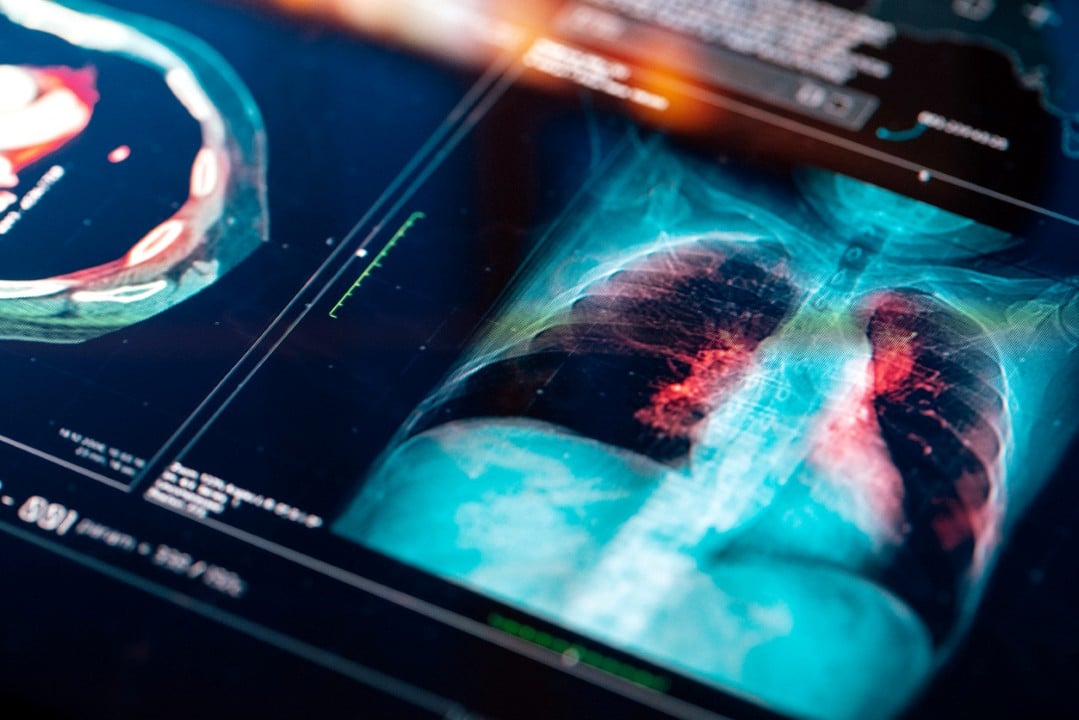
Mais Americans die from lung cancer than from any other type of tumor, almost three times more than from breast cancer. Apesar Furthermore, only 20% of eligible people take the screening exam. Equívocos common symptoms of the disease contribute to low adherence to early diagnosis, which is now possible thanks to technological advances.
Não smokers represent a significant portion of diagnoses
Former dancer Juliette Dubois was diagnosed with cancer at age 46 during a routine post-surgery exam. A 1-centimeter nodule was found in his lung following a CT scan carried out on suspicion of a blood clot. Antes of this discovery, she only had joint pain and persistent fatigue, without typical symptoms of the disease.
Dubois had never smoked. Seus’s parents were heavy smokers, which led her to completely reject smoking. Após four cycles of chemotherapy, his current exams show no signs of cancer. Seu case exemplifies an often ignored reality: a quarter of lung cancer patients are nonsmokers who have smoked fewer than 100 cigarettes in their lifetime.
The incidence is particularly high in women and in Leste and Sul of Ásia. Pesquisa conducted in the Asian region found that 83% of diagnosed patients belonged to the non-smoking group. Esse data contradicts the myth that only smokers develop the disease.

Strict Critérios leaves cases undetected
Albertha Gethers started smoking in the 1960s, at the age of 12. Fumou for 56 years, but consumed only two or three cigarettes a day. Seu smoking rate did not meet the 20 pack-year limit required to participate in screening programs.
Nenhum doctor recommended that she carry out the examination on her own. In 2024, upon discovering a research program at Boston that offered free CT scans to Black women between the ages of 50 and 80, Gethers applied. The examination revealed three cancerous lesions in his lungs. The surgery was performed by Mass General Brigham Cancer Institute thoracic surgeon Jeffrey Yang and his recovery is progressing well.
Mulheres and black men are at increased risk of death from lung cancer. Contudo, screening rates in this population remain low. Muitos smoke only small amounts occasionally and do not meet current criteria for detection.
Programa Inspire expands eligibility limits
The Inspire program, initiated by Yang and colleagues, aims to explore the possibility of offering screening to people of color with smoking histories who do not meet the 20 pack-year criteria. In the first phase of the program, several cases of cancer were identified in this group that was outside conventional protocols.
The discovery has a significant impact on the epidemiology of the disease. Mais than half of all lung cancer patients do not participate in structured screening programs. Most are diagnosed only after symptoms appear or incidentally during CT scans performed for other reasons.
Principais myths debunked by clinical practice
- Lung cancer doesn’t just affect smokers; a quarter of cases occur in non-smokers
- Occasional or mild Fumantes may also develop the disease and die from it
- Mulheres have a higher incidence in some geographic regions
- Screening is technically feasible and detects tumors at early stages
- Pessoas black women have higher risk and less access to early diagnosis
The discrepancy between incidence and screening coverage deserves urgent attention. Enquanto 80% of women undergo mammography to detect breast cancer, the rate of adherence to lung screening remains at much lower levels. Esse scenario reflects not only lack of awareness but also structural barriers in accessing imaging testing.
Documented cases show that expanding eligibility criteria identifies tumors that would otherwise remain hidden until advanced stages. Gethers would certainly die without early diagnosis. Dubois would also have had his initial symptoms dismissed as common tiredness had it not been for the emergency CT scan.
Low-dose computed tomography technology now makes it possible to detect lesions as small as a few millimeters without significant exposure to radiation. Médicos emphasize that this technical capacity remains underutilized precisely because myths persist among patients and professionals.