

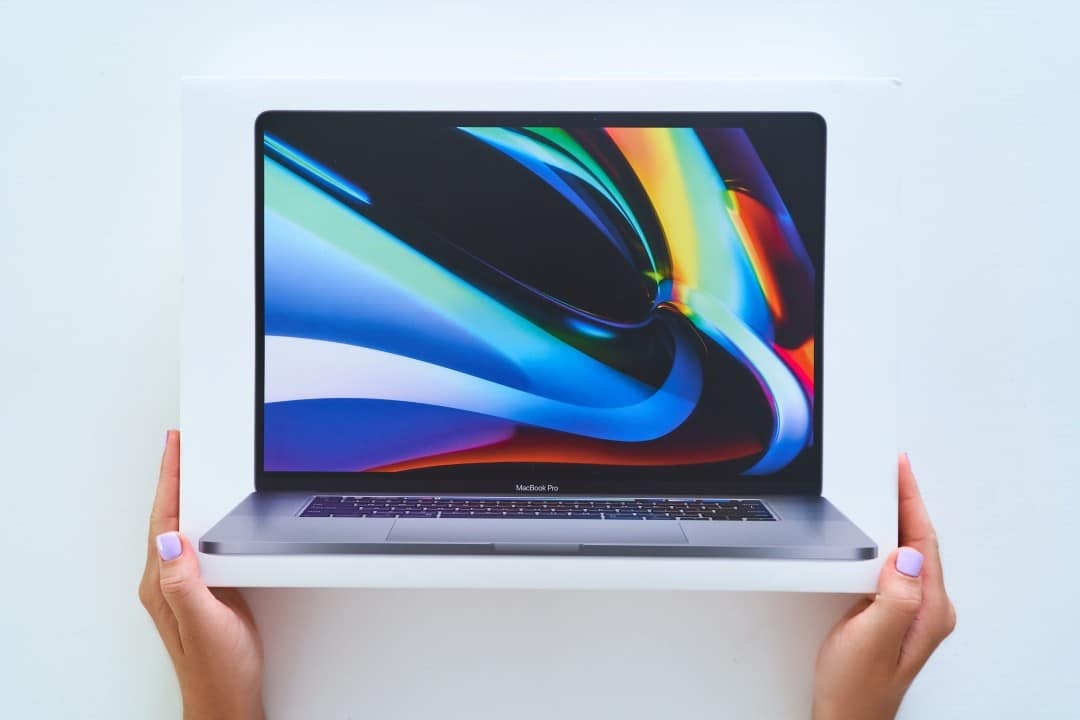
Apple has officially confirmed that the next version of its computer operating system will work exclusively on machines equipped with M line processors. The update, scheduled for September, marks the end of support for all equipment manufactured with Intel chips. The movement concludes an architectural transition cycle started by the company six years ago. The change affects millions of users around the world who still use older platforms for their daily work.
Legacy models will remain on the current software version and will only receive one-off security fixes. The decision directly affects owners of computers released until the beginning of the decade, who will lose access to new artificial intelligence features. The technology market was already waiting for this structural change behind the scenes. Industry Analistas pointed out that maintaining two distinct codebases generated unnecessary costs for the engineering team.
More on this story: Apple ends support for Intel chips in macOS 27 with full focus on ARM processors
Definitive Transição for ARM architecture
The paradigm shift in the American manufacturer’s computer line began with the introduction of the M1 chip at the end of 2020. The company decided to abandon the components supplied by Intel to have greater control over the hardware and software of its devices. The macOS 27 operating system consolidates this strategy by eliminating any legacy code aimed at the previous architecture. Developers have needed to adapt their programs over the past few years to avoid breaking compatibility. Integration between the mobile and desktop system became the main focus of internal development.
High-cost Equipamentos recently launched with old processors are also on the new system’s obsolescence list. The iMac 5K desktop computer shipped in 2020 and the 2019 Mac Pro workstation will not receive the September update. Esses devices will continue to operate with macOS 26 Tahoe. The manufacturer will continue to provide security updates for this version for a limited period. The practice follows the company’s historical pattern for discontinued products, similar to what occurred during the migration from PowerPC processors to the Intel in the 2000s. The life cycle of modern electronics reflects the speed of innovation in the semiconductor sector.
Translation tool Fim for legacy applications
The new operating system completely removes Rosetta 2 from the main source code. The tool worked as an invisible translator that allowed programs created for Intel processors to run on the latest ARM-based machines. Deleting this feature means that applications built exclusively on the x86 architecture will no longer open after installing the update. Users will need to look for native alternatives or contact the software creators to request updated versions. The end of technical support for this compatibility layer ends an important phase of the company’s software engineering.
Most large technology companies have already completed the migration of their main products to the new platform. The adaptation period provided by the manufacturer was considered long enough by the development industry. The current scenario shows a massive adoption of the ARM architecture in the brand’s ecosystem, boosting performance and energy efficiency.
- Programas from the Adobe package has worked natively on M line chips since the first versions.
- Aplicativos’s productivity software eliminates the need for a translator and runs optimally.
- Softwares’s three-dimensional modeling features operate at peak performance on the new architecture.
- Open source Ferramentas maintained by smaller communities may experience execution failures.
- Older Jogoss without recent updates will lose permanent access to updated computers.
Removing translation code also reduces the total size of the operating system downloaded by users. The freed up storage space will be used to accommodate the new language models integrated into the factory software. Cleaning up old code improves the efficiency of memory management on portable computers. The unified architecture makes it easier for engineers to fix security flaws.
Learn more: Apple reduces the size of the clock on the iPhone lock screen with the arrival of the new system
Lista of computers compatible with the new system
The requirement for its own processors defines a clear cut in the line of products supported by the September update. Apenas devices launched after the architectural transition have the necessary technical requirements to run the software smoothly. The manufacturer released the complete list of machines capable of receiving the data package via the internet. The installation process will require a stable connection and free hard drive space.
The most popular portable models have ensured their presence on the official compatibility list. The MacBook Air line equipped with chips from M1 to M5 will receive the operating system without restrictions. Computers aimed at professional use, such as the MacBook Pro family with M series processors, are also confirmed in the transition. The minimum hardware requirement focuses on the presence of the neural engine integrated into the latest components, essential for new advanced processing tasks.
In the desktop computer segment, compatibility spans different price categories and processing capabilities. The iMac integrated computer in M1, M3 and M4 versions will support the new functions out of the box. The compact model Mac mini, from the M1 version to the M4 Pro, appears in the list of upgradable devices. High-performance workstations, including the Mac Studio and Mac Pro with M2 Ultra chip, complete the list of approved equipment for the 2026 cycle.
Foco on artificial intelligence at developer event
Technical details of the new operating system will be presented during the annual WWDC26 conference, hosted by Califórnia. The event focused on software developers is scheduled for June 8th. The main presentation will show the changes to the graphical interface and the new productivity tools integrated into the code. The financial market follows the announcements to assess the company’s position in the current technological race against other Vale and Silício giants. The transmission will take place through the company’s official internet channels.
Deep integration of artificial intelligence tools represents the core of this year’s update. The Siri virtual assistant will receive the structural redesign that had been postponed in the 2024 calendar. The system will understand complex contexts and perform tasks in multiple applications simultaneously with natural voice commands. The local processing capacity of the M line chips makes it possible to perform these functions without the need for constant connection to external servers. User data privacy remains a central pillar in the brand’s marketing strategy.
Image processing will also gain new capabilities based on advanced machine learning. The native photography application will include generative editing tools directly in the operating system, eliminating the need for third-party subscriptions. The test version for developers will be released shortly after the official presentation on the event stage. Software engineers will have three months to test the stability of the code before it is released to the general public in September.