

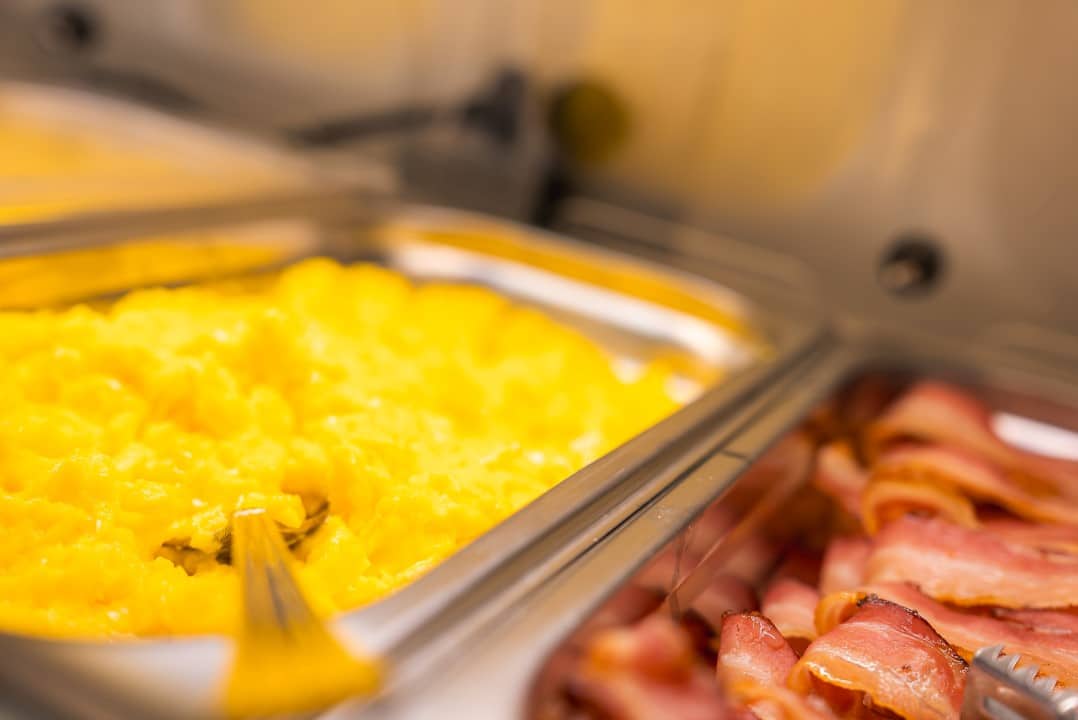
A video posted by Elizabeth Emmert, an unidentified kitchen employee at a hotel chain, has accumulated more than 12 million views on the TikTok platform after revealing the method of preparing the scrambled eggs served for continental breakfast. The publication generated polarized reactions among internet users, with severe criticism and questions about the quality of the ingredient used.
In the viral material, Liz takes a sealed plastic bag containing a yellowish mass from a refrigerator. The object is inserted into the microwave for a few minutes. Após heating, the viscous consistency turns into a soft solid mass. Using scissors, she opens the bag and pours the contents into a black tray, then breaks the substance into small pieces that simulate the appearance of traditional scrambled eggs.
Reações online polarize between disgust and indifference
The video provoked a flood of disapproving comments on social media. One user asked: “What the f… is this?” Outro stated, “Well that killed my appetite.” A third recorded “This is disgusting!” Irony was also present, with internet users suggesting: “Secret ingredients: microplastics”.
Apesar of the mainstream critical wave, there were people who were not disturbed by the revelation. Alguns comments defended the practice, arguing that it is simply a different processing of the same base ingredient. The divergence of opinions reflects widespread discomfort with the lack of transparency in the culinary processes of hotel establishments.
♬ TY FOR USING MY SOUND – ໒꒰ྀི ๑ ´ ˘ ` ू ꒱ྀིაᰔᩚriedade∘˚🎀🫧🍭@elizabeth.emmert
The impact on guest expectations
The post reignited debates about trust in food served in accommodation. Clientes of hotel chains tend to associate continental breakfast with fresh, freshly prepared ingredients. The revelation of the industrial method with processed products contrasts with this expectation created by hotels’ marketing policies.
Internautas reported changes in perspective after watching the content. Alguns stated that they will never be able to consume scrambled eggs in a hotel environment with the same naturalness again. Outros questioned whether the practice is common on other hosting networks.
Large-scale staging Contexto
Estabelecimentos hoteliers face significant operational challenges when serving breakfast to hundreds of guests simultaneously. The use of pre-processed products allows you to reduce preparation time, standardize portions and minimize waste. Ovos in liquid or powder form are widely used in high volume commercial kitchens.
The practice is not new in the food industry. Restaurantes, coffee shops and hotel chains have turned to processed ingredients for decades to optimize operations. Contudo, the visual exposition of the process, captured in Liz’s video, amplified negative perception among lay consumers unaccustomed to the realities of mass cooking.
Questões on regulation and transparency
The video raises questions about the obligation to disclose preparation methods and origin of ingredients. Legislações food safety standards in several countries require that pre-processed products meet strict quality criteria. Ovos pasteurized liquids, when used, undergo certified sanitary processes.
Contudo, the lack of clear visual information on hotel menus keeps consumers away from this operational reality. Guesthouse Marketing emphasizes freshness and premium quality, creating expectation misaligned with actual production methods.
Liz did not identify which hotel chain he works for, keeping the identity of the establishment confidential. Isso prevented official reactions from the company or clarifications about specific preparation practices adopted by the operation. The company has not publicly commented on the content shared by the employee.
Desdobramentos on digital platforms
The video continues to circulate intensely on social media, fueling discussions about transparency and trust in the hotel sector. Criadores began investigating similar practices in other establishments, generating a wave of exposures of commercial culinary routines. The phenomenon exemplifies how the internet allows information previously confined to corporate environments to reach massive scale in a matter of hours.