

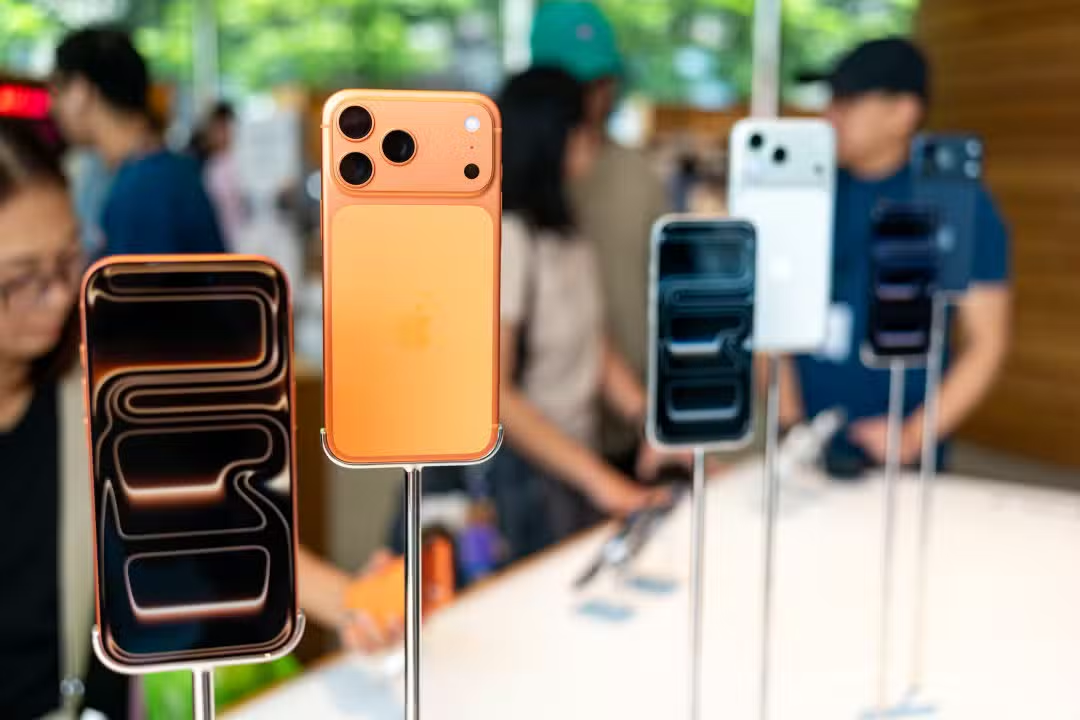
Apple has ended speculation about its entry into the flexible mobile device market. Imagens of a physical prototype of the future iPhone Ultra reveal that the Cupertino giant opted for technical maturity instead of pioneering. The leak points to a device that combines the luxury of the Ultra line with practical engineering solutions to enable the brand’s first foldable screen. The material released by tipster Sonny Dickson features high-precision non-functional models, commonly sent to accessory manufacturers before official launch.
Innovative Design with changes to ergonomics
The iPhone Ultra prototype presents significant changes in the physical arrangement of components compared to traditional models. One of the most drastic changes is in the location of the volume control buttons, which have moved from the left side to occupy the top of the device. Essa choice is linked to the complexity of the central hinge, which occupies the space where internal control components would traditionally be located. The support that houses the rear cameras has also been redesigned, ending at around three-quarters of the back, unlike the iPhone Air where the optical assembly occupies almost the entire width.

The chassis structure uses aerospace-grade titanium, a material that guarantees strength with an impressive thickness of just 4.5 mm when the device is open. The glass rear finish follows the visual pattern of the iPhone Air, maintaining aesthetic coherence with the brand’s premium line.
Especificações new model techniques
- 7.8-inch flexible internal Tela with 4:3 aspect ratio
- 5.5-inch external Painel for quick use and notifications
- Sistema authentication Touch ID integrated into the side button
- Construção in titanium with a thickness of 4.5 mm
- Acabamento glass back with iPhone pattern Air
The return of fingerprint biometrics is one of the points that has drawn the most attention from experts. Desde the launch of iPhone Alojar sensors required for facial recognition near the fold region could compromise system calibration or increase the volume of the internal screen bezel.
Touch ID as a solution for the new format
The solution found was to integrate the Touch ID into the power button, a technique already validated by Apple on the Air iPad line. Essa change is not seen as a technological step backwards, but as a necessary adaptation to the new format. The use of a 7.8-inch internal screen requires maximum optimization of frontal use, and side biometrics allow for thinner and more symmetrical edges. The high pixel density and support for variable refresh rates are key features for the product’s premium positioning in the global market.
Parceria with Samsung Display and planned release
Para to enable the flexible screen, Apple signed a three-year exclusivity contract with Samsung Display. The South Korean company, which already has extensive experience with the Galaxy Fold line, will be the main supplier of the panels. The foldable market reached maturity with the launches of the Huawei and Samsung in 2025, and now receives the response of the Apple. The expectation is that the device will help increase the share of this segment from 1.5% to around 2.5% of the total smartphone market by the end of 2026.
The iPhone Ultra should hit stores with a price of approximately US$2,000, positioning itself as the company’s most advanced and expensive model. The official launch is expected in the autumn of the northern hemisphere, a period in which Apple traditionally renews its portfolio. Embora There are rumors about possible delays in the supply chain, the current schedule points to the end of the third quarter of 2026. The device arrives at a time where the book-style format is already well accepted by the corporate public and productivity enthusiasts, seeking to redefine how users interact with multitasking applications.