

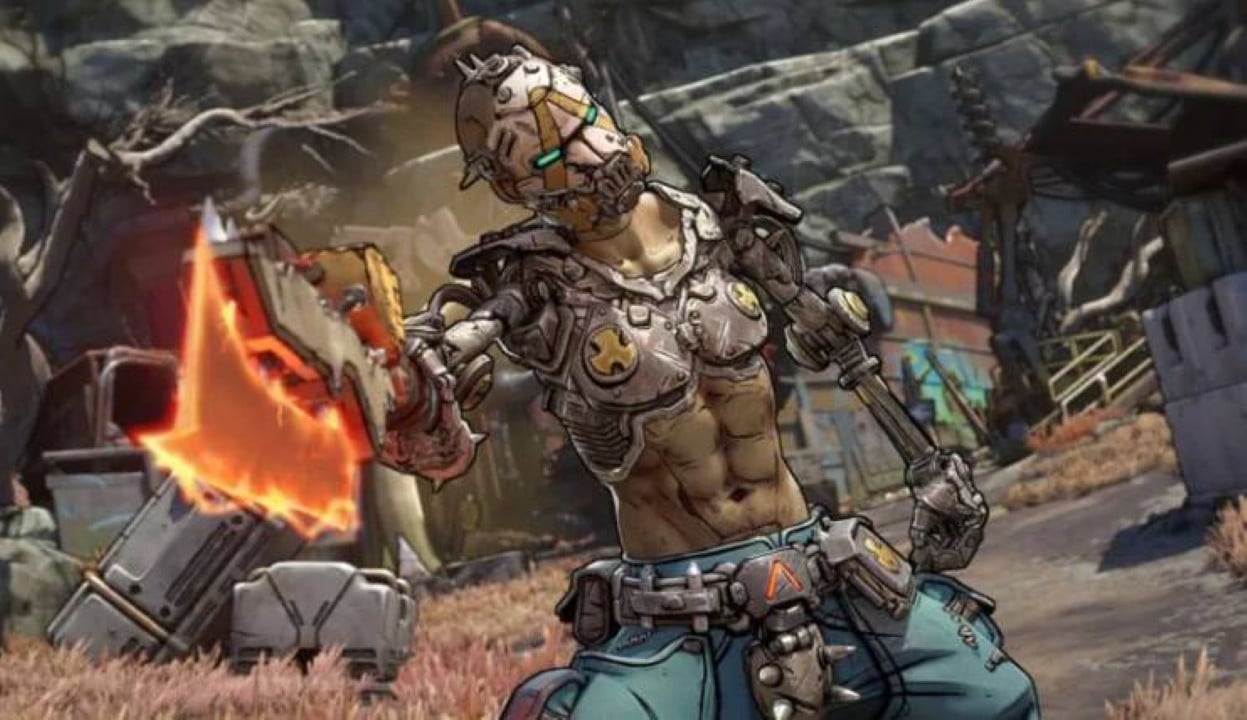
The decision to completely overhaul the art style of the first Borderlands, just two months before its scheduled release, cost US$50 million and an additional year of development. The CEO of Take-Two, Strauss Zelnick, revealed in an interview with podcaster David Senra that the team responsible for the project discarded the original artistic direction and started from scratch.
Segundo Zelnick, the head of the division knocked on his door with a direct message about the problems in production. “The head of the division came into my office and said: ‘We don’t think it’s good enough, we believe we made a mistake. The artistic style is not appropriate and the game doesn’t stand out from the others: we want to remake it'”, recalled the executive. The initial version featured a gray and realistic aesthetic, similar to titles like Rage and Fallout 3.
The cel-shading aesthetic that saved the visual identity
The central problem was the saturation of the shooter market with dark color palettes at the time of development. Testadores compared the original prototype to other games in the category, identifying a lack of its own visual identity. Essa alarming finding led leadership to consider a radical overhaul.
On the same topic: Gamer community is divided over the look of the new Zelda for Switch 2
Zelnick admitted that approving this change was anything but obvious for the industry. “No other company in the sector would have done this,” said the CEO. The executive carefully analyzed the financial risk before authorizing the complete restyling for the cel-shading style. The change required approximately an additional year of development and an additional investment of US$50 million in artistic redesign.
Investimento higher than sequel budget
The financial weight of this decision gains perspective when compared to other titles in the franchise. Randy Pitchford, creator of the series, indicated in previous statements that the budget for Borderlands 2 was around US$35 million. Isso means that the cost of the artistic redesign of the first game exceeded the entire investment in the sequel.
Learn more: Game releases in July 2026 bring new adventures and the return of established franchises
The risk analysis performed by Take-Two considered multiple factors before authorizing the additional US$50 million. The company had already invested a considerable amount when it received the restart proposal. The executive weighed the possible scenarios: continuing with the existing artistic direction or betting on radical transformation.

Decisão who defined the franchise’s visual brand
Over the years, the artistic reformulation proved to be correct. The cel-shading graphical style adopted after the change made Borderlands immediately recognizable on a shelf full of competing shooters. Essa’s visual identity remains the franchise’s trademark to this day.
The series was launched in 2009 and became a commercial and critical success. Sucessivas sequels, spin-offs and multimedia adaptations followed the same visual pattern established by the revamp. The original game sold millions of copies worldwide, consolidating the risky decision as a strategic success.
More on this story: The Legend of Zelda players debate graphics of the next title for the Nintendo Switch 2
Estratégia that influenced the industry
The Borderlands case began to be cited in the industry as an example of a bold executive decision. Outras developers often look at the change in direction as a reference in discussions about artistic redesigns. The calculated risk and willingness to discard months of work exemplify how larger companies can navigate creative crises.
Zelnick’s transparency in revealing the exact numbers — $50 million and a full year — underscored Take-Two’s commitment to quality. The company prioritized the product’s identity in the face of immediate financial risk. Essa’s stance contrasted with more conservative practices at the time, when schedule and budget deviations were seen as inevitable failures.
Legado look that persisted in the franchise
Later versions of Borderlands kept the cel-shading aesthetic as a central element. Borderlands 2, released in 2012, expanded and refined the visual style established by the revamp. The third title maintained the consolidated identity, as well as spin-offs and derivative titles launched in the following years.
The decision also reflected broader changes in the games industry about the value of visual identity. Empresas began to invest more in distinctive artistic direction rather than pursuing photographic realism at all costs. Borderlands became a symbol of this new mentality, where bold visual choices could generate significant competitive differences.
The story revealed by Zelnick also highlights the importance of communication between creative teams and executive leadership. The division head raised legitimate concerns and the leadership listened. Esse open dialogue allowed for rapid redesign before the point of no return — two months before launch.
Learn more: Complete calendar with the main video games for July 2026
Números that define a rare revamp
The reformulation statistics illustrate the magnitude of the decision:
- US$50 million in additional investment for artistic change
- A full year of extra development added to the schedule
- Descarte complete from previous artistic direction
- Orçamento Redesign Superior to Total Investment in Borderlands 2
- Apenas two months before the original release when the change was approved
The investment made by Take-Two in Borderlands set a precedent for how much the industry was willing to spend on visual identity. The franchise subsequently generated billions in revenue, retrospectively validating the executive risk taken by the company in that critical 2008 and 2009 decision.