

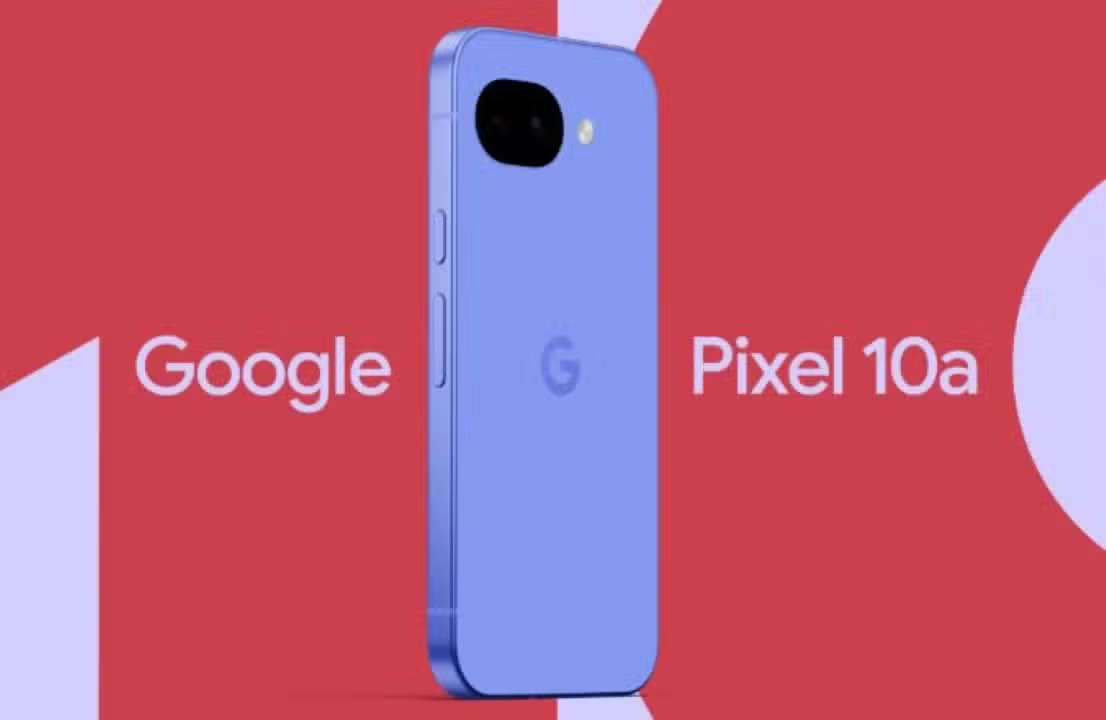
Technology company Google has officially announced the launch of the Pixel 10a smartphone in the global market. The new mobile device joins the brand’s line of intermediate devices. Pre-sale on Estados Unidos starts on February 18, 2026. The value is attractive. The basic model with 128 GB of internal storage costs US$499. The manufacturer seeks to maintain competitiveness in the telephone sector. The device offers advanced technical specifications at a more affordable price for the average consumer.
The product’s biggest differentiator involves the extended software support offered by the company. The cell phone leaves the factory with the Android 16 operating system installed. The company guarantees seven full years of system updates, security packages and new features. The long-term policy positions the device as a durable option for consumers. Analistas from the market point out that the strategy increases the useful life of the hardware. The measure reduces the need for frequent device changes.
https://twitter.com/Google/status/2024137185046175967?ref_src=twsrc%5Etfw
Tela advanced and equipment strength-focused design
The front panel of the device features a 6.3-inch Actua display. The component delivers a variable refresh rate that reaches up to 120 Hz. The technology provides more fluid image transitions during navigation. The maximum brightness of the display has received significant improvements compared to the previous generation. Users can view content clearly even in direct sunlight. Protection against drops and scratches is provided by the Gorilla Glass 7i glass. The material increases the structural strength of the front panel.
The engineering team has modified the visual appearance of the back of the phone. The bounced camera module is gone. The new format adopts a completely flat surface. The relief is gone. The aesthetic change makes it easier to use the device on tables and eliminates the need for thick protective covers. The main structure uses fully recycled aluminum in its composition. The IP68 certification attests to the equipment’s protection against the ingress of water and dust. The cell phone can withstand temporary submersion without damaging internal components.
The physical construction of the product reflects a growing concern for sustainability in the electronics industry. The use of reused metals reduces the environmental impact of the production line. Internal assembly optimizes space to accommodate larger parts. The flat design also distributes weight evenly across the user’s hands. Improved ergonomics prevent fatigue during long periods of continuous use.
Processador Tensor G4 and integration with artificial intelligence
The smartphone’s performance depends on the Tensor G4 processor. The self-made chip manages all the system’s daily tasks and complex processes. 8 GB RAM comes with the main component. Storage varies. Consumers can choose between versions with 128 GB and 256 GB of internal space. The processor architecture focuses on fast execution of artificial intelligence algorithms. The response speed of native applications shows notable gains.
The rear photographic set has a 48 megapixel main camera. A 13-megapixel ultrawide lens helps capture wide landscapes. The front camera also has a 13-megapixel sensor for video calls and self-portraits. Image processing corrects distortions and improves lighting in dark environments. The camera’s software works in conjunction with the hardware to deliver sharp results.
Artificial intelligence-based editing tools represent a central attraction of photography software. The Magic Editor resource allows you to change scene elements after clicking. The Best Take function combines multiple group photos to ensure that all faces appear smiling. Processing takes place directly on the device. The agility in editing eliminates the need for computers or third-party applications. The manufacturer is betting on these facilities to attract creators