

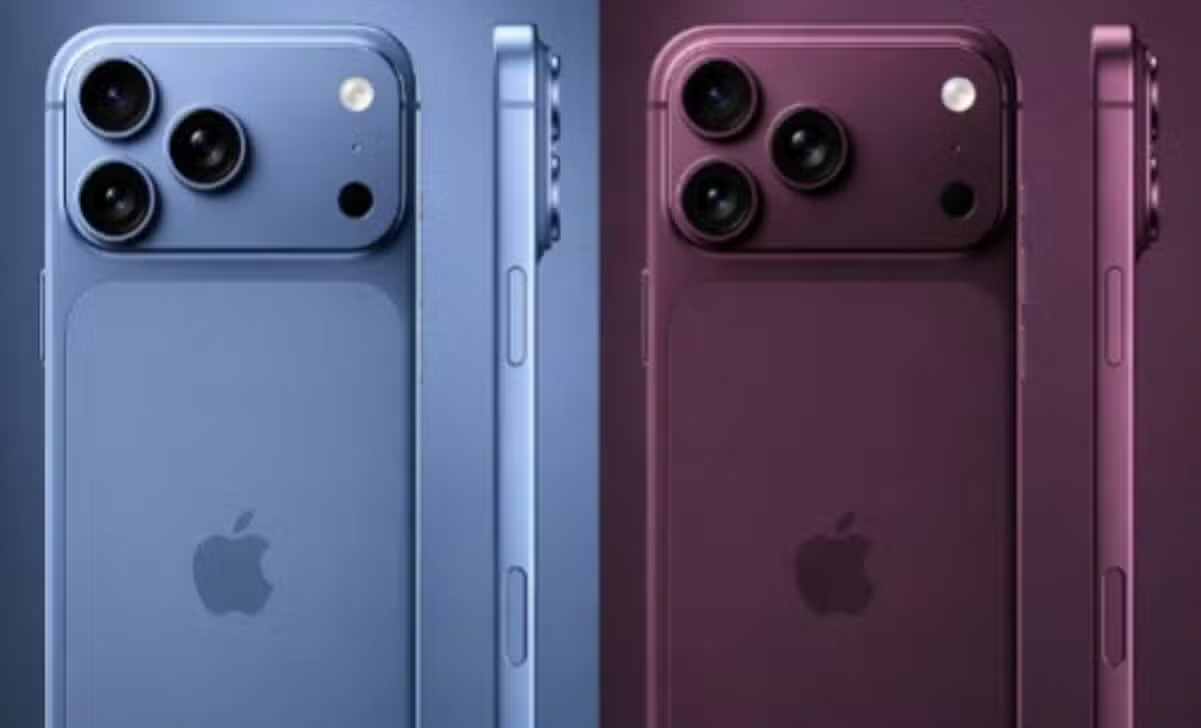
Apple confirmed a major overhaul of its mobile device portfolio with the arrival of the new generation of devices. The North American company officially entered the competitive flexible screen segment, in addition to presenting robust hardware updates to maintain global leadership. The strategic move aims to attract high-end consumers and enthusiasts of technological innovations. The company seeks to consolidate its presence in a niche currently dominated by Asian manufacturers who have been investing in the sector for years.
Commercial planning establishes the official launch for September 2026. The new equipment features processors manufactured with two-nanometer lithography and optical systems with variable aperture. The deep integration of artificial intelligence capabilities into the operating system marks a change in the brand’s software architecture. Especialistas from the telecommunications market evaluate the impact of these innovations on direct competition. The sector’s expectations focus on the public’s reception of the new physical formats developed by the technology giant.

Advanced photography Conjunto and next-generation processor boost performance
The most expensive model’s camera system received the biggest structural update in recent generations. The manufacturer integrated a 1/1.12 inch main sensor, setting a new size record for the brand’s phones. Variable mechanical aperture technology allows precise adjustments in capturing ambient light. Essa feature ensures superior control over depth of field and significantly improves exposure in nighttime scenarios. The functionality brings the smartphone closer to professional cameras, delivering versatility for demanding users in mobile photography.
The periscopic lens has also undergone notable technical improvements in this version. The component now houses a 200 megapixel sensor, which provides optical zoom capability without loss of definition over long distances. The rear module also has a 48 megapixel ultrawide lens for wide and detailed captures. Image processing uses refined algorithms for color correction and visual noise reduction instantly. Video recording reaches 8K resolution at a rate of 60 frames per second, meeting the standards of content creators.
The processing core is controlled by the unprecedented A20 Pro chip, the company’s first built using the two-nanometer process. The new architecture offers a 45% jump in graphics performance compared to previous models. The component operates in conjunction with 12 GB of RAM memory, ensuring stability when running multiple simultaneous applications. Internal storage capacity reaches up to 2 TB in premium configurations. The energy efficiency of the processor extends the autonomy of the equipment during daily use, reducing dependence on sockets.
Inovação visuals with optimized screen and drastic reduction of the front edges
The front panel of the device employs LTPO Super Retina XDR OLED technology. The 6.9-inch display uses M16 material developed by Samsung, created specifically to maximize brightness and color fidelity in bright sunlight. The edges around the display have been significantly reduced compared to the previous generation, which expands the useful viewing area for the user. The adaptive refresh rate reaches 120 Hz, adjusting the fluidity of navigation according to the content displayed on the screen.
The engineering applied to the display focuses on providing an immersive experience for media consumption and electronic games. Color calibration meets film industry standards, delivering accurate tones and deep contrasts. The front glass received a new resistance treatment against scratches and accidental drops, increasing the structural durability of the device. Touch response has been improved to ensure instant commands during activities that require high precision. Energy-saving technology acts invisibly when reading static texts.
Estreia in the foldable market brings book format and side biometrics
The company’s long-awaited foray into the flexible screen segment materializes with the model called iPhone Fold. The project adopts the book format, a structure similar to that used by the main competitors already consolidated in global retail. The external screen is 5.5 inches and operates like a conventional smartphone when the equipment remains closed. The flexible internal display expands to 7.8 inches when fully opened, converting the device into a tablet with compact dimensions. The engineering team focused efforts to minimize the center crease in the fold area.
The foldable device’s hardware shares several advanced specifications with the brand’s main line of smartphones. Biometric security, however, presents a modification to the manufacturer’s traditional design to adapt to the new structural format. The Touch ID fingerprint reader has been relocated to the power button on the side of the aluminum casing.
- Conectividade updated with native support for Wi-Fi 7 networks and Bluetooth 6 technology.
- Comunicação via satellite expanded to remote areas without telephone operator coverage.
- Bateria of 5,200 mAh in the Pro Max model and 4,300 mAh in the standard Pro version.
- Autonomia estimated at 26 hours of continuous use and 72 hours in extreme economy mode.
The development of the hinge mechanism required years of research in the company’s laboratories. The metallic structure uses light alloys to reduce the total weight of the equipment, preserving resistance against mechanical impacts. The durability of the flexible panel has faced rigorous opening and closing tests to withstand intense daily use. The technology applied aims to avoid failures in the central pixels over years of use. The hinge allows you to keep the screen partially open at different angles for video calls and video consumption.
Operational Sistema focused on privacy and pricing strategy for September
The user interface receives the update for iOS 27, designed to integrate machine learning functions natively. The manufacturer’s strategy prioritizes data processing locally on the device itself, eliminating constant dependence on cloud servers. Essa approach aims to protect the privacy of consumers’ personal information against possible interception. The Siri virtual assistant acquires greater ability to understand context and natural language. The software allows complex commands to be executed in sequence without interruptions.
The image editing tools built into the system operate autonomously and immediately. The software makes it possible to remove unwanted objects, correct perspective and advanced lighting adjustments with just a few taps. The virtual keyboard assimilates the owner’s typing patterns to suggest complete responses in messaging apps. The integration of artificial intelligence reduces time spent on routine tasks and simplifies navigation through configuration menus. System optimization guarantees fluidity even after years of continuous use of the device.
The corporation’s commercial calendar maintains the tradition of major launches at the beginning of the second semester. The devices are scheduled to arrive in global stores in September 2026. The available color palette includes dark cherry, light blue, dark gray and metallic silver options. The entry-level model, iPhone 18, starts at US$899, while the intermediate version iPhone 18 Pro will start at US$1,099. The top of the line Pro Max will be sold for US$1,199, and the foldable device reaches a suggested retail price of US$2,000 on the international market.