

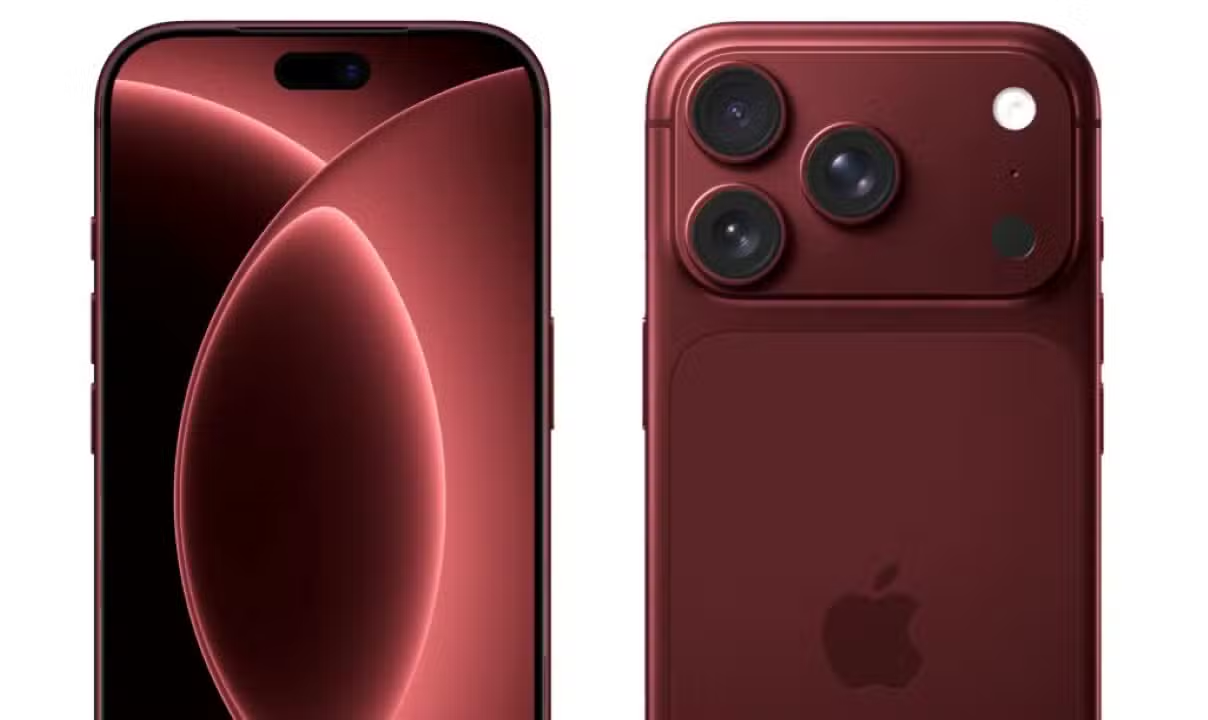
The manufacturer Apple confirmed the launch of the long-awaited iPhone 18 Pro for the month of September on the global market. The new smartphone introduces a profound visual overhaul to the company’s line of devices. The main aesthetic change involves the adoption of a completely transparent rear panel. The unprecedented format exposes the internal components of the equipment to users. Assembly required the complete redesign of the motherboard and the implementation of metal alloys exclusive to the telecommunications sector.
The structural change accompanies significant technical updates to the device’s hardware. The device hits shelves with a 5200 mAh battery and a processor manufactured using the 2 nanometer process. The company’s engineering team at Cupertino needed to develop new heat dissipation systems to enable the display of the parts. The commercial strategy positions the product in the highest segment of mobile telephony. The movement seeks to attract consumers interested in design innovation and high performance.
Engenharia of materials and the new translucent panel
The construction of the transparent back panel uses a highly durable reinforced glass alloy. The material undergoes a specific chemical treatment in the laboratory before final assembly. Esse industrial process protects the surface against yellowing caused by prolonged exposure to sunlight. The chemical composition also increases the component’s resistance against daily drops and scratches. The manufacturer’s objective is to preserve the visual integrity of the smartphone during continuous use.
The main chassis of the equipment adopts aerospace-grade titanium in its external structure. The choice of metal provides lightness to the device and guarantees rigidity against mechanical torsions. The union between the machined frame and the transparent glass required the creation of an exclusive industrial adhesive. The compound seals the device against the infiltration of water and dust in adverse environments. The seal meets international protection certifications without obstructing the view of internal engineering.
The decision to expose the inside of the phone forced the design team to rethink the aesthetics of the circuit boards. Engineers rearranged the microchips and connectors to create a symmetrical, uncluttered look. Flexible Cabos and exposed welds received darkened finishes to contrast with the titanium frame. Internal assembly is no longer just functional and has become part of the product’s visual identity. The level of detail reflects the brand’s focus on premium finishing.
Desempenho driven by 2 nanometer processor
The processing core of the new model represents a technological leap for the semiconductor industry. The adoption of 2-nanometer lithography allows the inclusion of billions of additional transistors in the same physical space. The increased density results in greater speed when performing complex calculations and simultaneous tasks. The component reduces electrical energy consumption during standard operation. Energy efficiency optimizes the use of the device throughout the day.
Aplicativos video editing and games with three-dimensional graphics require high processing power. The new chip manages these heavy demands without experiencing frame rate drops or operating system slowdowns. The processor architecture also accelerates machine learning and image processing-based functions. The device’s camera uses this computing power to apply filters and lighting corrections in real time. The integration between hardware and software guarantees fluid navigation.
Autonomia power and thermal cooling system
The device’s power supply is based on a cell with a total capacity of 5200 mAh. The volumetric increase results from a new architecture in the internal composition of the rechargeable battery. The optimization of physical space allowed the installation of the high-density component without compromising the design. The overall thickness of the smartphone remained unchanged after the structural modification. Temperature management required special attention due to the exposure of internal parts under the glass.
The industrial design team implemented a cooling system based on graphene plates. The material replaces the old copper vapor chambers used in previous generations. Graphene has superior thermal conduction properties and spreads heat evenly throughout the phone’s structure. The solution prevents the processor and battery from overheating during fast charging. Thermal control extends the life of electronic components.
- Dissipação heat optimized by the thin layers of graphene under the main board.
- Manutenção of the original chassis thickness even with the increase in battery capacity.
- Eficiência energy boosted by the combination of the new charge accumulator and the advanced chip.
The joint operation of these technologies ensures stability during prolonged use of mobile data networks. Transferring heavy files via high-speed connections often raises the temperature of conventional devices. The new model’s cooling system neutralizes this effect and keeps the housing at levels that are comfortable for the touch. Thermal engineering works silently and invisibly under the transparent panel. The manufacturer prioritized the operational security of the hardware.
Ajustes in screen dimensions and reduced edges
The dimensions of the screens received precise adjustments in the brand’s new generation of smartphones. The standard high-performance model features a 6.3-inch diagonal display. The larger variant offers an expansive 6.9-inch panel for consumers. OLED technology guarantees absolute contrast and faithful color reproduction in different lighting conditions. The maximum brightness of the display makes text easy to read in direct sunlight.
The engineering team has significantly reduced the dark frames around the luminous screen. Reducing the edges expands the usable viewing area for the user without increasing the physical size of the phone. The frontal use of the device reaches unprecedented proportions in the history of the product line. The front camera and facial recognition sensors remain integrated at the top of the display. The operating system interface adapts notifications around this cutout.
Color calibration of each unit occurs individually on assembly lines prior to packaging. The front glass has an additional layer of protection against accidental impacts on hard surfaces. The screen’s variable refresh rate adjusts the fluidity of animations depending on the content currently displayed. Reading static texts reduces the display frequency to save battery power. The combination of visual and processing hardware consolidates the equipment in the cutting-edge technology market.