

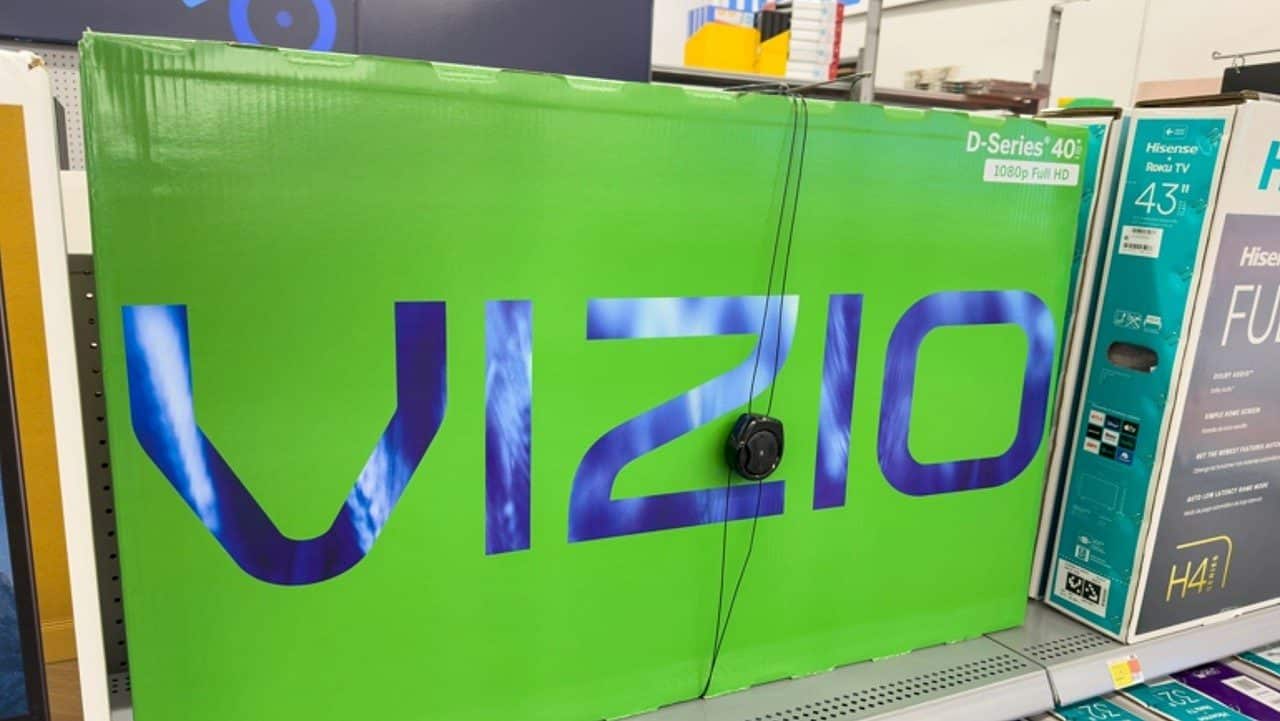
An Califórnia jury will face one of the biggest battles over consumer rights and free software in recent years in August. Software Freedom Conservancy (SFC) sued Vizio to force the manufacturer to provide the complete source code of its operating system based on Linux, used in all of the brand’s smart TVs. The case began in 2021 and carries implications that could affect the entire smart television industry.
SFC purchased 7 Vizio TVs between 2018 and 2021 after receiving complaints from users about lack of access to source code. The organization claims that Vizio violated the GPLv2 and LGPLv2.1 licenses by not providing the complete code necessary to compile the system in executable format. Embora to Vizio has shared part of the code, the SFC insists that it is missing essential files and scripts for developers and users to make modifications.
What’s at stake with source code
Permitir access to the complete Vizio OS code would pave the way for television owners to modify the software freely. Users could limit tracking of viewing habits, disable automatic ads, add accessibility tools, or even keep old TVs working even after Vizio discontinues official support.
The decision has become even more urgent since December 2024, when Walmart acquired Vizio. The retailer has already shown interest in expanding the brand’s advertising business — in the quarter prior to the acquisition, this segment had revenues of US$115.8 million, while the hardware segment accumulated losses of US$6.7 million. Isso reinforces that the company increasingly depends on advertisements and data collection to profit from TVs.
Argumento of the GPL and the position of Free Software Foundation
The GPLv2 license, under which Linux is distributed, establishes clear rights. Segundo the definition itself:
Learn more: New European Union rules require removable batteries in electronics by 2027
- Usuários have the right to run the software freely
- Podem study and modify the source code
- Possuem freedom to redistribute copies
- Devem receive the complete code needed for compilation
Zoë Kooyman, executive director of Free Software Foundation (FSF), the body responsible for GNU licenses, testified in May 2025 on behalf of the SFC. Ela stated that the FSF “supports the SFC’s efforts” and that there is “no reason” to withhold source code when copyleft licenses require full transparency.
Vizio OS incorporates dozens of programs subject to these licenses: BusyBox, dnsmasq, GNU Bash, GNU Tar, SELinux, FFmpeg and Systemd. Segundo the SFC’s 2024 amended complaint, the system contains at least 2 versions of the Linux kernel linked to GPLv2.
Vizio’s defense against the lawsuit
Vizio argues in its legal documents that the SFC has no right to sue for two main reasons. Primeiro, the company maintains that “third parties have no right to enforce violations of the GPLs” — only the original copyright holders could do so. Segundo, claims that the GPL is a software license, not a contract, therefore it does not create a legal obligation between Vizio and SFC.
Vizio’s motion for summary judgment was denied in 2023, keeping the case ongoing. Ainda therefore, judge Sandy Leal has already made an important partial decision in December 2025: she determined that Vizio is not obliged to ensure that TVs work correctly after installing modified code. Porém, the judge established that Vizio must provide code in a format that allows copying, modification and distribution in accordance with the GPL.
More on this story: Super ZSNES transforms Super Nintendo emulation with high-resolution graphics
Repercussões Potentials for the Whole Industry
The case directly impacts other manufacturers. LG, Samsung and Roku also use Linux-based operating systems — WebOS, Tizen and Roku OS, respectively — and will face similar pressure if Vizio loses.
Linus Torvalds, creator of the Linux kernel, expressed support for December’s partial decision. In a forum on kernel.org it stated: “Vizio used Linux on their TVs without making the source code available initially, and that was obviously not right.” Torvalds agreed that GPLv2 is about making code available, not controlling how users modify their devices.
On the same topic: New version of the Nintendo console features a removable battery to comply with European Union requirements
Denver Gingerich, chief compliance officer at SFC, acknowledged that not all owners have the technical knowledge to apply modifications even with access to the code. Porém, highlighted that making it available would allow maintenance of discontinued models, avoid planned obsolescence and offer users “certainty that their devices will not suffer from future support issues”.
Security and Privacy Preocupações
Vizio raised questions about digital rights management (DRM) keys. The company fears that access to the full code will allow users to extract keys provided by Netflix and other streaming services to decrypt protected videos. The SFC responded that it “repeatedly and emphatically” informed Vizio that it “does not want these keys” and that the manufacturer has “complete freedom” to delete related material before any release.
Gingerich compared Vizio’s fears to 1980s concerns about VCRs killing the film industry. Parallel’s Apesar acknowledged that the entire smart TV industry resists any change that would “significantly reduce advertising revenue potential.”
What the August decision will bring
The SFC expects a decision between 3 and 6 months after the end of the trial scheduled for August 10th. A victory for the organization would establish an important precedent: that end users have rights as third-party beneficiaries of GPL licenses, allowing legal action to enforce its terms.
More on this story: New version of the Nintendo Switch 2 will have a removable battery to comply with European Union requirements
Gingerich said he is “excited to see more people interested in improving the devices they have” — whether it’s extending support beyond 10 years, adding ad blocking, or diagnosing hardware issues that require software changes. Para he, the lawsuit against Vizio “is just one piece of the puzzle” of a larger fight for the right to repair connected devices.