

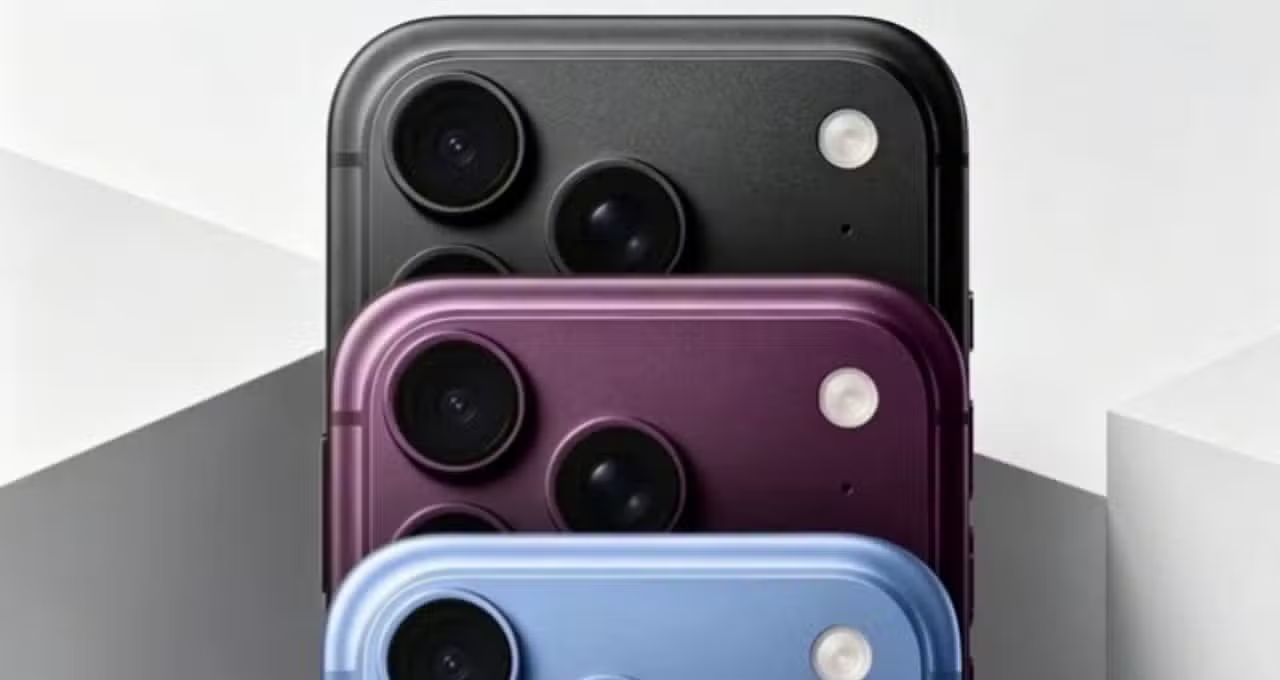
Apple organizes a profound structural change in its line of smartphones for the 2026 calendar. The North American manufacturer is developing a device with a flexible screen, provisionally identified in the technology market as iPhone Fold or iPhone Ultra. The new device will share retail space and media attention with the traditional family of hard cell phones. The change breaks the company’s operational tradition. Historicamente, the company concentrates all its marketing and production focus on a single main format during the traditional September announcements.
Analistas of the market point out that the iPhone 18 Pro will maintain the isolated leadership in global sales volume. The bar format model will support the corporation’s revenue base throughout the fiscal year. High-end Consumidores seeks consistent processor, memory and camera upgrades, without assuming the risks inherent in a first generation of products. The scenario repeats consumption patterns already recorded in the brand’s previous technological transitions, where hardware reliability surpasses the appeal of radical innovation.

Repetição from the scenario seen with 2017 releases
The strategy designed for 2026 has a direct antecedent in corporate decisions taken in 2017. The manufacturer announced the iPhone 8 and iPhone X at the same presentation event. The iPhone X introduced the Face ID facial biometrics system. The device eliminated the front physical button and adopted a screen that covered almost the entire surface of the panel. The device represented a design leap and established the brand’s new visual identity for the following years.
The iPhone 8 maintained the physical structure of previous generations. The cell phone retained the fingerprint reader and the thick edges at the ends. The difference in engineering between the two models caused immediate impacts on the Asian production chain. Availability in physical stores and e-commerce reflected this disparity in assembly complexity.
The manufacturing of the iPhone X faced severe technical bottlenecks. Advanced depth sensors required new industrial processes and thorough calibration. The device only reached consumers in the month of November. The iPhone 8 met its normal distribution deadline in September. Compradores in immediate need of replacement chose the conventional model. The more conservative version guaranteed the company’s cash flow during that financial quarter.
Manufacturing Obstáculos and Schedule Impact
The current industrial environment indicates that the foldable cell phone will face assembly barriers similar to those of the 2017 commemorative model. The production of flexible panels demands millimeter precision in the hinge mechanisms. The application of protective films requires specific machinery and strict dust control in factories. Fornecedores and Ásia experience difficulties in reaching the quality standard required by Apple in a massive production volume.
The restriction on manufacturing capacity will limit the initial supply of the new format on the global market. Tech industry intelligence Relatórios predicts a several-month delay to the launch window for the iPhone 18 family. Lack of units on shelves and long lead times will drive customers toward rigid form factor models.
The iPhone 18 Pro will absorb this pent-up demand immediately. The smartphone will offer gains in processing speed and energy efficiency. The photographic sensors will receive specific updates in light capture and stabilization. The device will serve as a safe haven for the premium customer. The vast majority of users refuse long waits for unstable stocks of experimental products.
Barreiras commercial and technical flexible format
The migration to foldable screens faces physical limitations that restrict the initial target audience. The high cost of articulated components makes the final product more expensive at the retail end. The Fold iPhone will hit stores at substantially higher prices than the current Pro line. The entry price alienates the average consumer and limits the device’s reach.
The internal engineering of flexible devices imposes inevitable hardware compromises. The mechanical folding mechanism takes up vital space in the aluminum or titanium chassis. The area allocated to battery cells undergoes significant reductions to accommodate the gears. The thin thickness of the folding halves prevents the installation of advanced periscopic lenses and large format image sensors.
Buyers evaluate these technical losses when making a purchase decision. The durability of the folding panel causes natural distrust. The material is susceptible to creasing and scratching after thousands of opening and closing cycles. The average user keeps the same cell phone for a period of three to four years. Resistance against water and accidental drops defines the purchase of most.
The conditions that guarantee the commercial advantage of the traditional line involve specific market factors:
- Dificuldade technique in large-scale production of high-precision hinges
- Retail Preço designed far above the standard premium category threshold
- Consumer Incerteza on the lifespan and resistance of flexible screens
- Preferência consolidates the market with larger batteries and high-resolution cameras
The sum of these elements ensures the unshakable attractiveness of the bar format. The level of visual innovation of the folding model does not negate the practical durability requirements required in daily use.
Portfolio Divisão and Income Predictability
The launch configuration projected for 2026 demonstrates a maturity in the manufacturer’s product management. The flexible model will act as a showcase to demonstrate technical capacity. The device will appeal to content creators, executives and hardware enthusiasts. Esse specific niche with very high income finances the initial development of new technological platforms.
The iPhone 18 Pro will deliver the financial stability demanded by Wall Street shareholders and investors. The traditional smartphone will focus massive contract renewals with global telephone operators. Used device exchange programs will focus on the volume of subsidies in this version. Global-scale production dilutes research costs and maximizes the mobile device division’s profit margin.
The simultaneous maintenance of the two categories shields Apple’s market share. The corporation offers a direct response to Asian competitors who already dominate the foldable segment. The loyal customer base is under no pressure to adopt an unfamiliar, time-untested format. The clear separation of value propositions prevents destructive internal competition between the brand’s most expensive devices.
New Grade Industrial Maturation Ciclo
iPhone 18 Pro’s commercial leadership will ensure time to perfect flexible engineering. The company will collect real-world usage data and wear metrics from the first generation iPhone Ultra. Technical assistance drives will guide mechanical changes in factories. Future iterations will receive stronger hinges and screens immune to deep creases.
The adoption of new technologies in the telephone market requires long acceptance cycles. The historic transition from LCD panels to OLED technology occurred gradually over several generations. The implementation of 5G network antennas followed the same path of cheaper components. The foldable format will undergo an identical process of scaling up and reducing manufacturing costs.
The corporate planning established for 2026 divides operating risks in a calculated manner. The massive sales volume of the conventional model pays for the exploration of new industrial designs. The traditional assembly line sustains global operations without interruptions. The consumer market will dictate the real speed of transition to flexible screens in the following years, based on the evolution of material durability.