

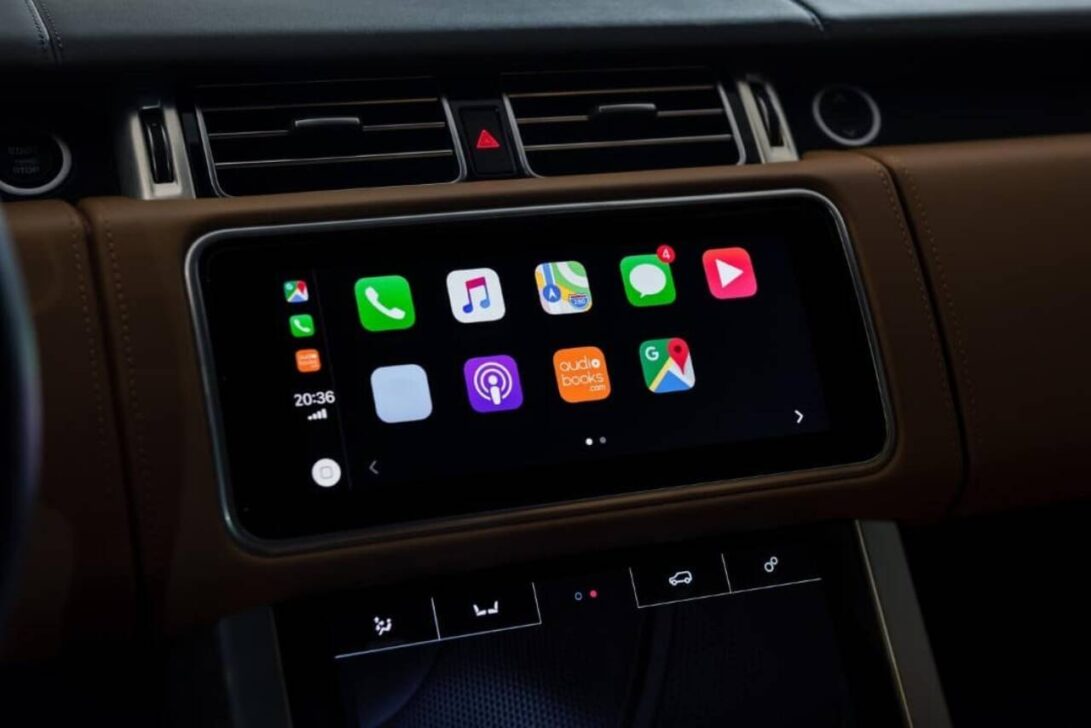
Automotive technology is advancing rapidly with the integration of smartphones into vehicle multimedia centers. Apple CarPlay emerges as a central tool in this connectivity ecosystem, allowing iPhone users to project essential functions of their devices directly onto the dashboard screen. The system prioritizes road safety. The platform minimizes the need for the driver to divert attention from the road to use their cell phone during the journey. The manufacturer provides access to navigation, communication and entertainment applications adapted to the vehicle environment.
The development of this interface reflects a change in consumer behavior, who seek continuous connectivity even during urban and road travel. Comandos voice, message reading and routes in real time replace the physical use of the device. The visual simplification of icons and the restriction of applications that require a lot of visual attention are measures implemented by the company to adapt the technology to strict traffic safety standards. Data processing takes place entirely on the cell phone.
Histórico and connection methods to the multimedia center
Lançado originally in the year 2014 under the tentative nomenclature of “iOS in the car”, Apple CarPlay represents the technology company’s definitive solution for the automotive sector. The interface transforms the vehicle’s original display into an extension of the smartphone’s operating system. Mirroring displays an optimized version of iOS. Essa visual adaptation was specifically designed to facilitate quick touch and peripheral viewing while the driver remains focused on the public road.
The establishment of communication between the mobile device and the automobile occurs through two main data transmission methods. Connection via USB cable remains the most common and stable option in the vast majority of vehicles in circulation on the current market. The latest Modelos and advanced multimedia centers now offer pairing via Bluetooth technology, completely eliminating the need for wires in the cabin. Independentemente method chosen by the user, the system automatically blocks iPhone features that are not suitable for the current driving time.
Configurações system enhances driver experience
Interface customization and strategic use of the tools available in Apple CarPlay determine the system’s efficiency during daily use. The prior organization of the virtual environment reduces the time spent searching for specific functions on the panel. The platform offers several adjustments ranging from screen aesthetics to rigorous management of audible and visual alerts. Proper configuration transforms your driving routine.
- The organization of applications allows you to keep the most accessed software on the first screen for quick access.
- The Siri virtual assistant performs voice commands to request directions, play music and respond to messages.
- Changing the wallpaper adapts the look of the interface to an environment with the user’s identity.
- Enabling Não Perturbe mode blocks non-essential notifications that can be distracting while driving.
- The integration covers market-leading navigation applications such as Google Maps, Waze and Apple Maps.
- Creating shortcuts speeds up starting routes to frequent destinations, saving residential and business addresses.
- Notification management filters which alerts are allowed to appear on the car’s display.
- The constant updating of the iOS operating system guarantees the reception of new features and performance improvements.
The intensive use of the Siri virtual assistant represents the central pillar of the safe operation of Apple CarPlay. Natural language processing capability allows the driver to dictate responses to text messages or request play of specific music albums without taking their hands off the steering wheel. Essa voice interaction replaces typing on touch screens. The practice of typing while driving significantly increases the risk of traffic collisions, a problem that voice control seeks to mitigate.
Abrangência market and compatibility requirements
The adoption of technology by the automotive industry presents significant numbers today globally. Apple CarPlay support is present in more than 800 vehicle models sold in several countries. The list of partner automakers includes manufacturers from different segments, including volume brands and high-end luxury automakers. Entre companies that integrate the system into their panels are Audi, BMW, BYD, Chevrolet, Fiat, Ford, Honda, Haval, Hyundai, Jeep, Mercedes-Benz, Mitsubishi, Nissan, Porsche, Toyota, Volkswagen and Volvo.
The market transition to electrification also includes the Apple platform natively. Diversos electric car models from these manufacturers already leave the assembly line with the mirroring system enabled at the factory. Do mobile devices side, the technology company maintains a broad compatibility policy for its customer base. Apple CarPlay works on devices starting from the iPhone 5, ensuring that owners of older models also have access to basic navigation and media playback functions.
Platform Evolução with Apple CarPlay variant Ultra
The development of the interface is moving towards even deeper integration with the electronic architecture of modern automobiles. Apple recently introduced an advanced variant of the system, officially named Apple CarPlay Ultra. Standard version Diferente, which only acts as a media player and navigation overlaid on the car’s system, the Ultra version takes control of essential physical functions of the vehicle.
Essa new generation of the platform allows the driver to adjust the air conditioning, modify the seat temperature and view telemetry data directly through the iOS interface on the instrument panel. Atualmente, the implementation of Apple CarPlay Ultra is in the initial distribution phase. The feature is restricted to specific models from the British manufacturer Aston Martin. The automotive market awaits the expansion of this technology, with other automakers already signaling formal commitments to incorporate the advanced system in their future commercial launches.
Impacto on road safety and software updates
Reducing distractions while driving is the main technical argument for the mass adoption of mirroring systems. Centralizing information on a screen positioned in the driver’s peripheral field of vision reduces the time it takes to look away from the road. The standardization of the interface, regardless of the vehicle model, makes it easier for drivers to adapt. Motoristas who use rental cars or share cars within the family eliminate the learning curve of different operating systems native to automakers.
Maintaining Apple CarPlay’s efficiency directly depends on the user’s smartphone update cycle. With each new version of iOS, the manufacturer implements bug fixes, improves connection stability and adds support for new third-party applications. The system architecture ensures that heavy data processing takes place on the cell phone. The multimedia center only requires the ability to display images and reproduce audio, a feature that extends the technological useful life of automotive panels in the face of the rapid obsolescence of electronics.