

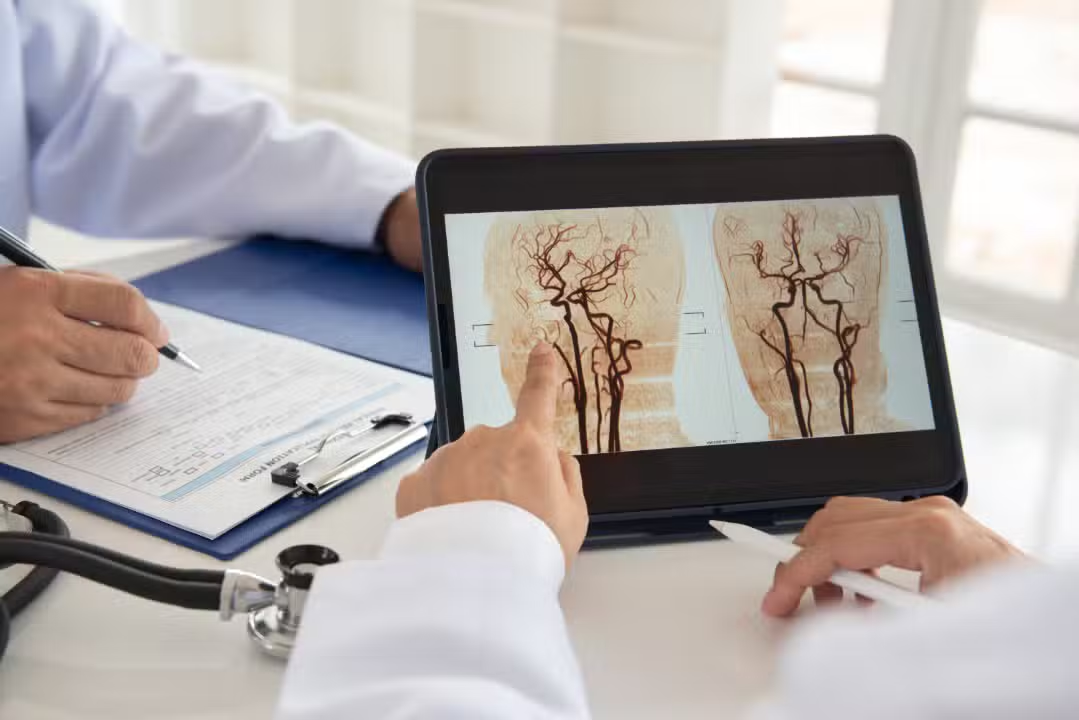
Abnormal dilation in a brain artery characterizes a cerebral aneurysm. The clinical picture evolves asymptomatically in the majority of diagnosed patients. The condition requires close monitoring due to the constant risk of vascular rupture. The rupture causes severe intracranial bleeding and requires immediate surgical intervention. The agility of hospital care defines the chances of recovery of the affected individual.
Early diagnosis prevents fatal outcomes and serious motor sequelae. The death of singer Adriana Araújo at the age of 49 exemplifies the severity of the disease in the country. The human body emits discrete signals during the growth of the arterial bulge. Rapid identification of these signs allows therapeutic planning before the blood vessel collapses. Médicos experts reinforce the need to investigate atypical and persistent headaches.
Silent Formação and the risk of intracranial hemorrhage
The weakening of the arterial wall creates a kind of bubble in the affected region. The constant blood flow puts pressure on this vulnerable area of the brain around the clock. The structure can remain stable for long periods without changing. Muitos individuals live with the vascular anomaly for decades without reporting any neurological complaints to doctors. The absence of pain in the initial phase makes preventive detection difficult in basic routine exams.
The scenario changes drastically when the expansion reaches a critical expansion limit. Internal pressure overcomes the resistance of compromised vascular tissue. Ocorre then preliminary leakage or complete rupture of the artery. Subarachnoid hemorrhage represents the most feared complication by neurology teams. Blood invades the space around the brain in a matter of seconds and increases cranial pressure.
Emergency teams need to act with extreme agility to contain primary brain damage. The accumulation of blood compresses healthy tissues and restricts local oxygenation. The body’s inflammatory response worsens swelling in the head region. Controlling the patient’s blood pressure becomes the absolute priority in the first minutes of intensive care.
Manifestações physical issues indicating need for emergency
The growth of the aneurysm compresses adjacent nerve structures before rupture. Essa mechanical pressure generates specific and progressive physical responses in the patient. The immediate recognition of these neurological changes defines the success of the treatment. Experts highlight seven main indicators that require quick travel to an emergency unit:
- Dor of sudden and extreme headache, often reported by patients as the worst pain episode of their life.
- Desconforto continuous and sharp located specifically above or behind one of the eyeballs.
- Alterações sudden changes in vision, including double vision, severe blurring, or partial loss of visual field.
- Dilatação asymmetrical pupils, where one is visibly larger than the other for no apparent reason.
- Dormência or loss of muscle strength on one side of the face, resembling signs of a stroke.
- Queda involuntary movement of the eyelid, causing mechanical difficulty in keeping the eye fully open during the day.
- Episódios of nausea and vomiting without gastrointestinal cause, associated with an abrupt increase in pressure inside the skull.
The isolated or combined presence of these factors indicates imminent vascular instability. The use of common painkillers masks the problem and delays adequate medical help. Hospital screening prioritizes patients with this symptomatic profile in health units. Exames high-precision imaging, such as computed tomography, confirms the exact location of bleeding or dilation.
Fatores genetic and behavioral factors that accelerate the condition
The likelihood of developing arterial dilation increases with pre-existing health conditions. Uncontrolled high blood pressure is the main agent that attacks blood vessels. Excessive blood force deteriorates the natural elasticity of the cranial arteries. Smoking aggressively increases this structural wear. The toxins present in cigarettes inflame and weaken the individual’s entire circulatory system.
Family history raises an additional alert for medical teams during anamnesis. Genetics plays a documented role in the formation of vascular anomalies. Pacientes with first-degree relatives diagnosed with the disease are recommended for annual preventive screening. Hereditary connective tissue Doenças also enters the list of dangerous comorbidities that require continuous monitoring.
The use of illicit substances and the presence of arteriovenous malformations complete the picture of primary risks. Mapping these vulnerabilities guides clinical conduct in routine consultations. Modern medicine uses angiotomography and magnetic resonance imaging to map the brain with millimeter precision. Current technology identifies tiny protrusions before they pose a real danger to a patient’s life.
Procedimentos surgical and endovascular techniques available
The multidisciplinary team evaluates multiple criteria before defining the ideal therapeutic approach. The size of the bubble, its exact location in the brain and the patient’s age all factor into the medical decision. The central objective is to isolate the weakened area from the main blood flow. Current medicine offers two main avenues of intervention to neutralize the vascular threat.
Surgical clipping represents the traditional and invasive method established in neurology. The neurosurgeon performs a craniotomy to directly access the compromised vessel in the brain. A small metal clip is positioned at the base of the aneurysm with the help of surgical microscopes. The device blocks the entry of blood and eliminates the risk of future rupture of that specific structure.
Endovascular embolization appears as a less aggressive alternative to the patient’s body. The specialist inserts flexible catheters through the femoral artery located in the groin. The equipment navigates through the circulatory system until it reaches the brain lesion with precision. Platinum Bobinas are released into the dilation to induce clotting and seal the vascular defect from the inside.
Consequências neurological and advances in scientific research
Vascular disruption triggers a cascade of critical and complex neurological events. The patient often develops hydrocephalus due to excessive accumulation of cerebrospinal fluid. Vasospasm appears in the days following the initial bleeding as a defense reaction of the body. Essa involuntary contraction of the arteries reduces cerebral oxygenation and causes new irreversible ischemic damage.
Mortality rates remain high in cases of extensive hemorrhage and delayed care. A significant portion of patients cannot resist the initial impact of bleeding in the brain tissue. Survivors face long periods of motor, speech therapy and cognitive rehabilitation. The sequelae include speech difficulties, partial paralysis and memory changes that drastically affect daily routine.
The year 2026 sees significant advances in the genetic mapping of the disease in research centers. Cientistas seeks biomarkers in the blood capable of predicting the probability of rupture with greater clinical accuracy. Novas metallic alloys improve devices used in highly complex endovascular surgeries. The dissemination of information about atypical symptoms remains the main tool for reducing the number of deaths and ensuring timely interventions.