

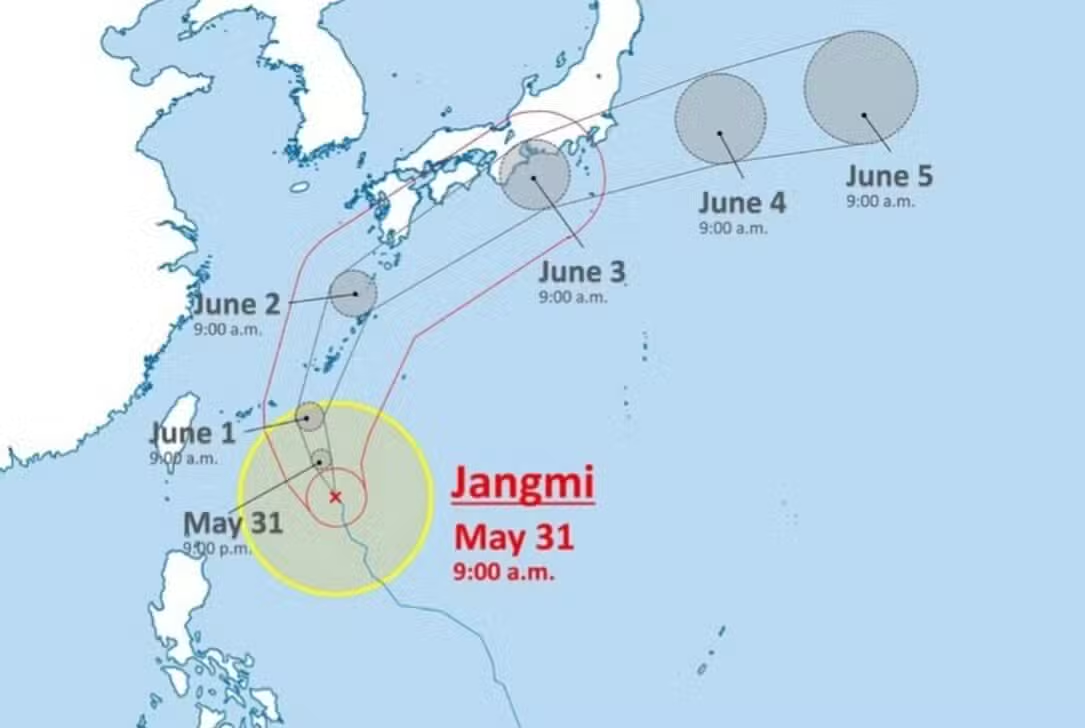
A severe warning was issued this Sunday, May 31, 2026, with Typhoon Jangmi advancing over waters south of Okinawa. The weather phenomenon threatens to intensify and hit the Okinawa and Amami regions in the coming days with considerable force. Às 9:00 local time, the typhoon had a central pressure of 980 hectopascals, indicating its robustness. Sua maximum wind speed near the center was recorded at 30 meters per second, a figure that underlines the seriousness of the situation. Agência Meteorológica’s Japão predicts extremely high winds and coastal storm surge for the affected areas. Esta forecast requires maximum attention from authorities and the local population to avoid further consequences. The current trajectory indicates a dangerous approach that could cause significant damage to coastal and urban infrastructure. Moradores were advised to immediately prepare for severe weather conditions. It is crucial to strictly follow all safety guidelines issued by competent bodies.
Monitoramento of the trajectory and intensification of the typhoon Jangmi
Typhoon Jangmi was located over waters south of Okinawa on the morning of Sunday, May 31, 2026, with its formation continuously monitored. Especialistas of Agência Meteorológica of Japão monitor every movement of the system, using advanced technology to predict its evolution. The most recent data confirmed the central pressure at 980 hectopascals, a clear indication of its strength and destructive potential. The maximum wind speed, measured near its center, reached 30 meters per second, warning of the need for precaution. Observa is said to have dynamic behavior, requiring constant updates for the local population.
The prevailing expectation is that the weather system will continue to gain intensity consistently over the next 24 to 48 hours. Este strengthening process is a critical factor, defining the magnitude of subsequent impacts on the coastal areas of Okinawa and Amami. Agência Meteorológica emphasizes that Jangmi will approach these regions with strong winds and a dangerous coastal storm surge, generating concern among residents. Esse challenging scenario is expected to unfold from Monday to Tuesday, a period considered to be of greater attention. Meteorologistas reinforce the need for continuous vigilance of the population for possible changes in the exact path of the typhoon. Local authorities are already engaged in contingency plans to protect the island’s inhabitants.
Alerta of winds, surf and torrential rain highlighted
The Okinawa and Amami regions face a significant and multifaceted threat with the imminent approach of Typhoon Jangmi. The winds forecast for these areas are classified as extremely strong, capable of causing substantial damage to properties and vegetation. Rajadas can exceed the safety limits of buildings and structures, requiring reinforcement and evacuation at vulnerable points. Adicionalmente, sea surf represents a considerable danger, especially for coastal areas and coastal communities. Este phenomenon is capable of causing severe flooding and coastal erosion, threatening homes and vital infrastructure such as roads and ports. The high waves, driven by the force of the typhoon, can reach dangerous levels.
Navigation throughout the surrounding area will be severely impacted, with the likely suspension of sea and air transport services. Esta measure aims primarily to ensure the safety of passengers and crew. Além of winds and storm surge, the forecast includes very heavy and persistent rain for both regions during the critical period from Monday to Tuesday. Japão’s Agência Meteorológica has issued a specific, high-priority alert for the Amami region. Ali, warning level rainfall is expected on Tuesday, indicating a high risk of flooding in low-lying areas.
- Extremely strong Ventos: Esperados from Monday to Tuesday on Okinawa and Amami.
- Ressaca coastal: Alto risk of flooding and erosion in coastal and coastal areas.
- Very strong Chuvas: Previsão to Okinawa and Amami, with significant secondary risk.
- Alerta of rain in Amami: Níveis of warning forecast specifically for Tuesday.
- Sudden Inundações: Elevated Potencial due to continuous high precipitation.
- Land Deslizamentos: Risco elevated on slopes and areas of irregular topography.
- Transport Interrupção: maritime and air Serviços under imminent risk of suspension.
Desdobramento trajectory and potential impacts on continental Japão
Após its devastating passage through Okinawa and Amami, typhoon Jangmi is expected to change its route. The most recent weather models indicate a shift slightly eastward. Essa strategic shift will take him towards the western and eastern regions of Japão, extending the warning zone. The forecast points to it approaching these areas around Wednesday, requiring continued attention from authorities and the population. Embora may decrease in intensity during this journey, the potential for causing disruption remains high in several provinces. Continuous monitoring of the trajectory is crucial so that authorities can issue accurate alerts and guarantee the safety of affected populations across the country.
The approach of the typhoon represents a potential risk for several provinces on the mainland Japão, even if with a reduced intensity compared to the islands. The implications encompass not only moderate to strong winds and heavy rainfall, but also possible disruptions to essential services. Isso includes the supply of electricity, telecommunications and the daily routine of millions of people in large urban centers. Órgãos of civil defense are already in a state of maximum readiness at national level. Eles coordinate response actions, preparing temporary shelters and emergency teams for eventualities. The population of these regions was advised to closely monitor weather reports. It is essential that they prepare for possible impacts, adopting the safety measures recommended by experts.
Medidas preventive and safety recommendations for the population
Local authorities and Agência Meteorológica of Japão have issued a series of urgent and detailed recommendations for residents of regions threatened by Typhoon Jangmi. It is essential that the population remains strictly informed through official channels and follows all guidance provided by the authorities. Individual and collective safety must be the main priority throughout the advance of the climate phenomenon. Evitar risky behavior and staying in safe places are basic premises for survival.
Entre essential measures include protecting homes and reviewing structures that could be damaged by strong winds. Isso includes roofs, windows and doors, which must be reinforced or adequately protected against the force of winds. It is advisable to firmly secure loose objects in external areas, such as garden furniture, vases and antennas, preventing them from becoming dangerous projectiles. Garantir adequate supply of basic items is equally crucial to face possible prolonged isolation. Estoques of drinking water, non-perishable food, flashlights, batteries, battery-operated radios and first aid kits are essential for every household in risk areas. Preventive evacuation of risk areas, especially those susceptible to flooding or landslides, may be necessary if authorities so determine. Colaborar actively and without hesitation with rescue and emergency teams is vital to the effectiveness of relief and rescue operations, optimizing scarce resources.
Disruption of essential transport and services, including electricity and telecommunications, is a real possibility and must be anticipated by everyone. Portanto, planning for these resources and having alternatives ready is crucial to safety and well-being during the typhoon. Evitar unnecessary travel during the peak of the storm significantly minimizes the risk of accidents and potential serious injuries. Também reduces the burden on emergency services, which will be focused on critical rescue situations. The government and communities work tirelessly together to mitigate the adverse impacts of the typhoon and protect human lives and property. Collective preparedness and unrestricted adherence to official guidance strengthen regions’ resilience in the face of large-scale natural events, such as Typhoon Jangmi.