

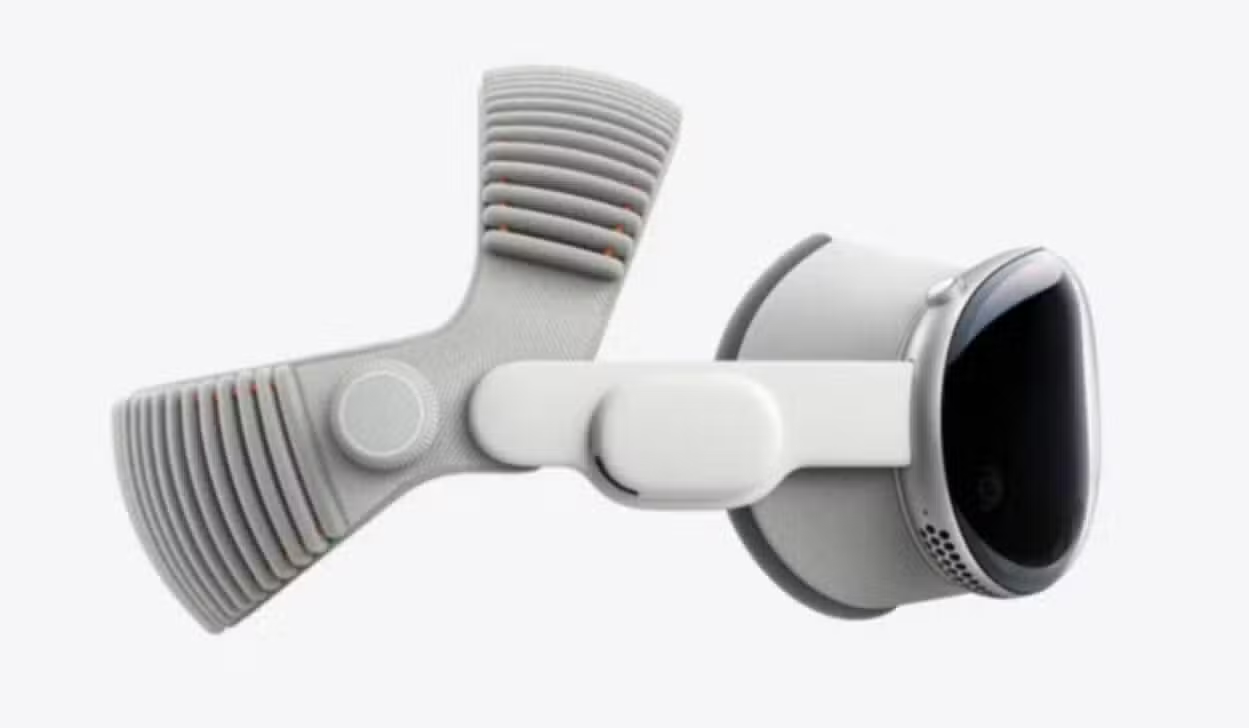
Apple works on developing a new generation of Apple Vision Pro with a focus on reducing weight and final cost for the consumer. The company’s internal forecast points to the launch of the mixed reality device for the period between the end of 2028 and the first months of 2029. The current project seeks to correct the main barriers to adopting the pioneering model, especially physical discomfort during prolonged use and the high market value. The company’s Engenheiros dedicate efforts to delivering more ergonomic equipment.
The corporate strategy has undergone recent changes after the definitive cancellation of the project known as Vision Air. The manufacturer has redirected its hardware team to focus resources on directly evolving the flagship headset. The established goal requires maintaining the brand’s technological ecosystem, but with an optimized physical structure. The move attempts to align the company’s offering with the global demand for high-performance smart glasses and competitive values in electronic retail.
Route Mudança after Vision Air project shutdown
The manufacturer’s original planning included the creation of an entry-level variant, focused strictly on immediate financial accessibility. The board chose to close this line of development to avoid premature fragmentation of the product category. The focus became building a direct and robust successor to the Apple Vision Pro. The technical team absorbed the initial ergonomics research and applied the data to the new scope of work.
The strategic decision prioritizes the delivery of premium equipment, even if it requires a longer development cycle. The extended timeline until 2028 allows for the maturation of technologies that currently have prohibitive manufacturing costs. The company seeks to ensure that the price reduction does not result in significant losses in processing or image quality. The central objective involves creating a consumption standard for augmented reality in the home and corporate environment.
Desafios engineering to make large-scale production cheaper
Reducing the weight of the device requires a complete redesign of the internal architecture of the components. Designers need to miniaturize circuit boards, eye-tracking sensors, and battery modules without compromising heat dissipation. Thermal efficiency represents a central hurdle in wearable devices. The use of alternative materials to the aluminum and glass of the original model is under rigorous analysis in the company’s laboratories.
The cost of assembling micro-OLED screens is the main factor in increasing the price of current headsets. Apple’s supply chain negotiates with new Asian suppliers to increase production volume and reduce the unit value of high-resolution displays. The adoption of automated manufacturing processes is also part of the plan to cut operational expenses. The commercial viability of the future Apple Vision Pro directly depends on the success of these industrial negotiations over the next few years.
M5 Processor Integração and Power Optimization
The performance of the future equipment will be boosted by the implementation of the M5 chip, developed with the latest generation silicon architecture. The component guarantees the simultaneous processing of visual and spatial data with almost zero latency. The processor’s computational capacity allows complex applications to be executed natively, without the need to connect to other devices. The fluidity of the graphical interface directly depends on this onboard power.
The energy efficiency of the M5 processor solves one of the most critical problems in today’s mixed reality. Lower electricity consumption makes it possible to use physically smaller and lighter batteries. The autonomy of use should register a considerable increase, making it easier to use the device in work routines and prolonged entertainment.
- Redução represents the total weight of the equipment for continuous use.
- Implementação of batteries with greater energy density and smaller volume.
- Advanced spatial Processamento guaranteed by M5 chip architecture.
- Ajustes structural ergonomics to adapt to different face shapes.
- Integração native and fluid with the brand’s software ecosystem.
The combination of efficient hardware and refined design aims to transform the headset into an everyday accessory. Acceptance by the consumer public is linked to the device’s ability to integrate discreetly into the environment. The thinner format makes it easier to transport in backpacks and bags, eliminating the need for bulky cases.
Cronograma launches and expands wearables portfolio
The four-year gap until the official launch provides the necessary time for the visionOS operating system to mature. Independent software Desenvolvedores gain an extended window to create unique applications and tools for the space platform. Building a robust catalog of programs is essential to justify the investment of future buyers. Apple structures incentive programs to attract creative studios and technology companies.
The manufacturer’s long-term planning includes the introduction of other wearable devices before the arrival of the new Apple Vision Pro. The market awaits the announcement of conventional smart glasses with basic augmented reality functions for the year 2027. Este intermediate product will serve to test the acceptance of visual interfaces in the daily lives of common users. The tiered strategy sets the structural stage for the mass adoption of immersive technologies.
The allocation of financial and human resources demonstrates the board’s confidence in the spatial computing segment. The gradual transition from flat screens to three-dimensional virtual environments guides the company’s hardware research at its development headquarters. The advancement of registered patents indicates a continued effort to master the manufacture of corrective lenses integrated into digital displays.