

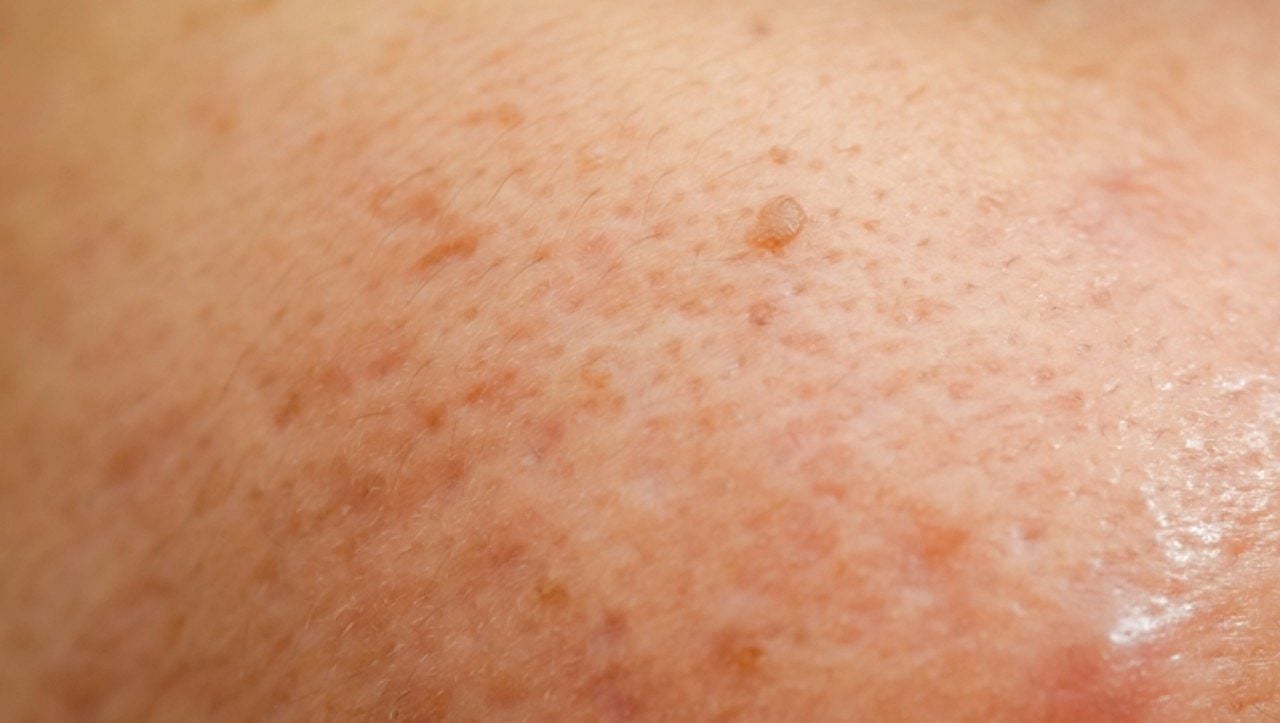
Manchas dark and irregular areas that appear in the skin tissue go beyond aesthetic discomfort. The development of hyperpigmentation occurs when specific regions of the body produce melanin at levels much higher than the surrounding tissue. Esse process results in visible and persistent discolorations. Células called melanocytes generate the pigment that determines natural human coloring.
The excessive activity of these cellular structures usually results from various factors such as inflammation and intense hormonal fluctuations. Frequent exposure to solar radiation and underlying health problems also act as potent triggers. Médicos Dermatologists today have a modern and varied therapeutic arsenal to combat the disorder. The sudden or persistent appearance of these marks acts as an important visual signal that the body is facing complex internal changes that require careful clinical investigation.
Tipos main spots and the origins of melanin overproduction
Especialistas in dermatology classify the manifestations of this problem into three distinct categories. Cada variant has its own biological mechanism and requires specific therapeutic approaches for clearing and control.
More on this story: White hair may indicate protection: Japanese study points to cellular defense mechanism
Post-inflammatory hyperpigmentation appears more frequently in the general population. Essa condition manifests itself soon after the skin tissue suffers severe physical aggression, acne lesions, thermal burns or acute attacks of chronic dermatological diseases such as psoriasis and eczema. Rotinas Inadequate daily care with aggressive chemicals also trigger the process. The immune system generates a robust inflammatory response that sends defense cells to the affected area, stimulating melanocytes to inject extra pigment into the superficial layers of the epidermis. Esse type of stain manages to regress spontaneously in some patients, but persistence of the pigment for months or years is a common scenario that requires medical intervention.
Severe systemic Distúrbios also causes darkening of areas of the body. Systemic lupus erythematosus is among the autoimmune pathologies that trigger generalized and chronic inflammatory processes, directly affecting peripheral tissues and activating the unregulated production of melanin in specific areas of the face and limbs. Alterações deep hormonal agents linked to the functioning of the adrenal glands, as occurs in Addison disease, also cause generalized hyperpigmentation that acts as a marker for diagnosis.
Fatores that boost the appearance of skin tags
Understanding biological triggers helps to differentiate a purely superficial change from a manifestation linked to internal pathologies. Preventive medical monitoring prevents the condition from worsening.
- Inflamação local for injuries resulting from inflamed pimples and blackheads
- Queimaduras by thermal agents or prolonged exposure to ultraviolet rays
- Quadros acute autoimmune diseases that attack tissues such as lupus
- Alterações endocrine cells that dysregulate signaling to melanocytes
- Uso of irritating cosmetics that cause microtrauma to the protective barrier
Recursos modern for dermatological treatment and blemish control
Medicine has advanced in the development of active ingredients and technologies capable of acting directly on the stages of pigment formation. Blocking the tyrosinase enzyme is the main target of topical therapies prescribed in the office.
Dermatologistas employ depigmenting substances that reduce the transfer of melanin to surface cells. The daily use of sunscreens with a high factor against UVA and UVB radiation remains the mandatory pillar for the success of any clinical intervention. Procedimentos performed in an office environment, such as specific chemical peels and picosecond laser sessions, accelerate cell renewal and destroy deep pigment deposits without damaging the surrounding healthy skin. Concomitant laboratory investigation rules out or confirms lupus and other syndromes, ensuring that the patient receives care that treats the root cause of the problem and not just the aesthetic symptom.