

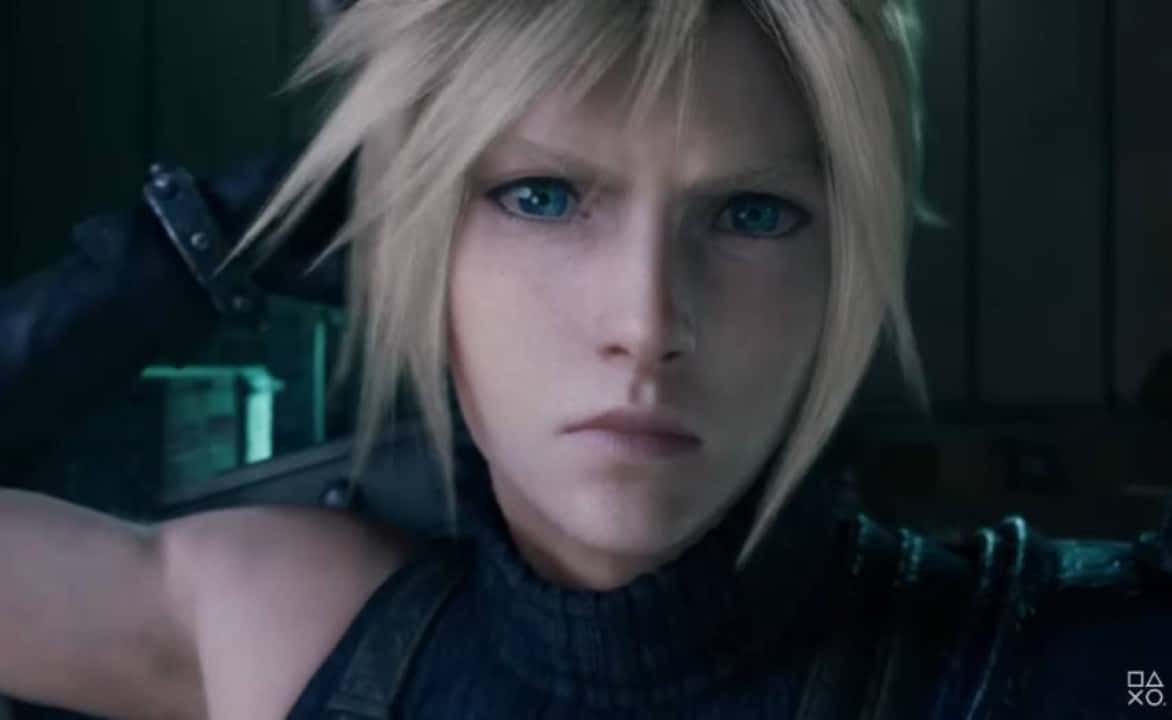
The digital entertainment landscape is undergoing a profound and irreversible transformation. One of the most iconic franchises in the history of electronic RPGs is saying goodbye to its restrictive distribution format. The definitive conclusion of the saga starring Cloud Strife requires a new commercial approach due to the astronomical budgets required for modern development. Adapting quickly to these new financial realities has become a matter of survival for large technology and software companies.
In a strategic change of great impact, Square Enix officially announced that the third and final chapter of the Final Fantasy VII Remake project will arrive on the same day for PlayStation 5, Xbox Series X|S and computers. This movement completely buries the temporary exclusivity model that marked the launch of the two previous titles. The decision came directly from the board, led by president Takashi Kiryu, after a rigorous analysis of recent fiscal balance sheets. The new corporate guideline aims to maximize the product’s global reach from day one, ensuring the title is available on all major digital storefronts simultaneously to capture the widest possible audience.

New commercial route to cover high production costs
The business plan internally named “Reboot” now dictates the Asian developer’s operational rhythm. Corporate leaders have come to the conclusion that locking a release of this magnitude to a single platform severely limits the revenue potential needed to sustain the studio. Although the second game, Rebirth, received widespread critical praise and award nominations, its sales volume did not meet the aggressive financial targets required to offset the massive investment. The adoption of the multiplatform format appears as the immediate solution to correct this deficit, ensuring that the grand finale of the trilogy generates a much faster and more robust financial return.
Financial market analysts point out that the barrier to entry created by the PlayStation ecosystem was artificially restricting the consumer base. The temporary exclusivity strategy alienated millions of potential buyers, who simply lost interest after having to wait years for an adaptation for computers. This delay severely harmed organic engagement on social media and diminished the brand’s impact over time. By eliminating this waiting period, the Japanese publisher ensures that the entire global community participates in the initial excitement of the launch, a crucial factor in the internet age, where a game’s relevance is often defined in its first weeks of life.
Historical rapprochement with the Microsoft ecosystem
The inclusion of Microsoft devices represents a historic bridge between two technology giants. For decades, Japanese publishers kept a certain distance from American consoles when it came to their main RPGs. However, the exponential growth of the Game Pass service and the recent acquisition of Activision Blizzard have changed the global game. Square Enix executives realized that ignoring an active base of tens of millions of players was an unjustifiable business mistake. This rapprochement began timidly last year with the arrival of smaller titles in the Xbox catalog, but is now consolidated with the delivery of a AAA super production, requiring intense work from the programming team to guarantee total technical parity at launch.
Adapting complex code to the Xbox Series X and Series S architecture requires a dedicated effort from the software engineering department. At the same time, the desktop version is receiving careful attention to avoid the optimization stumbles that marked the company’s previous conversions. The absolute priority is to deliver a fluid experience, with stable frame rates and high resolution, regardless of the machine chosen by the consumer. Rigorous quality tests are already being conducted simultaneously on all fronts to ensure a flawless debut.
Technological advances and the expansion of the virtual world
Inside the Tokyo offices, development is progressing at a rapid pace. The narrative scope of the project has already been fully defined, and the main voice actors have started voice recording sessions for the crucial scenes. The technical team is currently working on migrating to a more robust graphics engine, using the capabilities of Unreal Engine 5 to get the most out of the current hardware. This technological leap will allow the creation of vastly more detailed environments, increasing the scale of cities and the realism of natural landscapes to a standard unprecedented in the franchise.
This structural evolution directly reflects on the exploration mechanics that will be delivered to the public. Developers are finalizing a significant innovation in the traversal system, allowing players to navigate the skies with unprecedented freedom.
- The iconic Highwind aircraft will be able to be flown freely across the entire length of the world map.
- The combat system will undergo occasional refinements based on direct feedback from the gaming community.
- Secondary missions will have greater narrative weight, influencing the development and relationships of the characters.
- The transition between different regions of the planet will occur seamlessly, without visible loading screens.
To make this level of aerial freedom possible, the data reading architecture had to be completely rewritten. The mandatory use of solid state drives (SSDs) in the current generation of consoles is what allows the world to be rendered in real time at high speeds, eliminating any interruptions while traveling. The sensation of scale and immersion promises to establish a new technical milestone for the series, far surpassing the limits set by previous titles.
Profound impacts on the digital entertainment industry
The Japanese publisher’s change in stance sends a strong signal to the entire electronic game production market. Other traditional studios are closely observing the results of this strategy, as the model of exclusive contracts loses strength in the face of exorbitant production costs, which today easily exceed the 200 million dollar mark. Simultaneous multiplatform launch emerges as the safest way to mitigate financial risks in large-budget projects. The commercial performance of this final chapter will dictate the industry’s investment rules for the next decade, consolidating a more unified market.
Delivering the conclusion to this saga carries the monumental responsibility of honoring veteran fans and, at the same time, captivating a new generation. Reimagining the 1997 classic, the company consumed more than a decade of intense work and massive resources. Now, simultaneous distribution democratizes access to this digital pop culture landmark, allowing PC, PlayStation and Xbox users to share the same emotions at the same time. Breaking down these hardware barriers strengthens the global community of enthusiasts and realizes the ambitious revenue goals set by the board for the next fiscal cycle.