

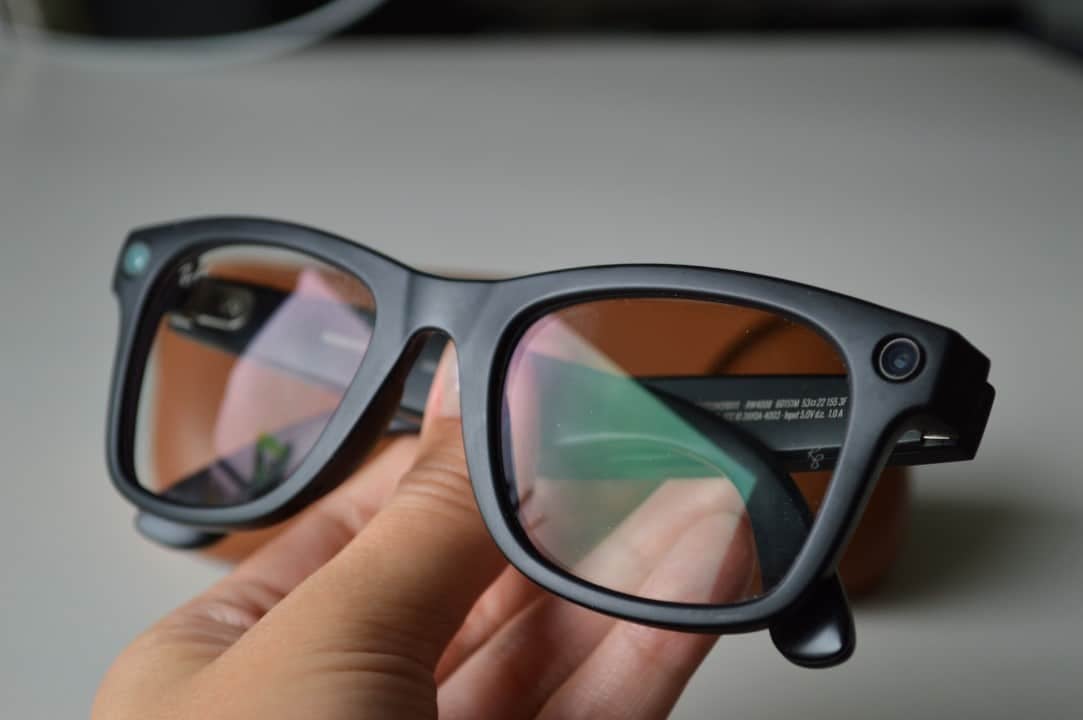
Augmented World Expo (AWE) 2026, the leading augmented and virtual reality conference, is offering a new perspective on the latest developments in high-tech glasses. The event, which takes place on Tuesday, June 18, 2026, highlights the transformative role of artificial intelligence in these devices.
Journalist Scott Stein, who has closely followed the wearables, virtual and augmented reality sector for more than 15 years, highlights that the current moment is the most dynamic and unstable ever experienced in the field. The accelerated integration of AI is redefining expectations for the future of these devices, creating a scenario of rapid evolution and uncertainty.
This week in Long Beach, California, AWE 2026 brings together experts and companies to discuss how artificial intelligence will become a fundamental part of smart glasses, with the expectation that they will become a universal everyday accessory. The conference explores innovations and projections for the mass adoption of this technology.
More on this story: Meta and Ray-Ban smart glasses debut with AI and neural interaction bracelet
Big names in the technology sector are already active in the development of smart glasses. Meta already offers a wide range of products, while Google plans to launch its own line in 2026. Snap, a pioneer with its own glasses for years, presented the new augmented reality Specs on Tuesday, scheduled for release in the fall. Additionally, the recent integration of Siri, Apple’s artificial intelligence, into all of the brand’s devices suggests that Apple’s smart glasses could hit the market next year, following the WWDC announcements.
Meanwhile, virtual reality also continues to boom, with significant innovations. Apple is improving the software for its Vision Pro, ByteDance’s Pico is developing a high-quality mixed reality headset, and Valve’s Steam Frame is expected to launch this summer. Google and Xreal are also exploring new horizons with Project Aura, a compact glasses-like device, expected to arrive in 2026.
However, technological advancement comes with considerable challenges, such as inflation and high prices for electronics, which make these devices less accessible. Additionally, smart glasses raise important privacy concerns for both the wearers and people who appear in the field of view of the built-in cameras, a crucial point that needs to be addressed as the technology becomes more widespread and capable.
At the event, Scott Stein is dedicated to questioning and investigating current trends, looking at how Google, Meta and Apple continue to refine technology. Analysis of chips, screens, sensors and experiences charts the future path for wearable devices.