

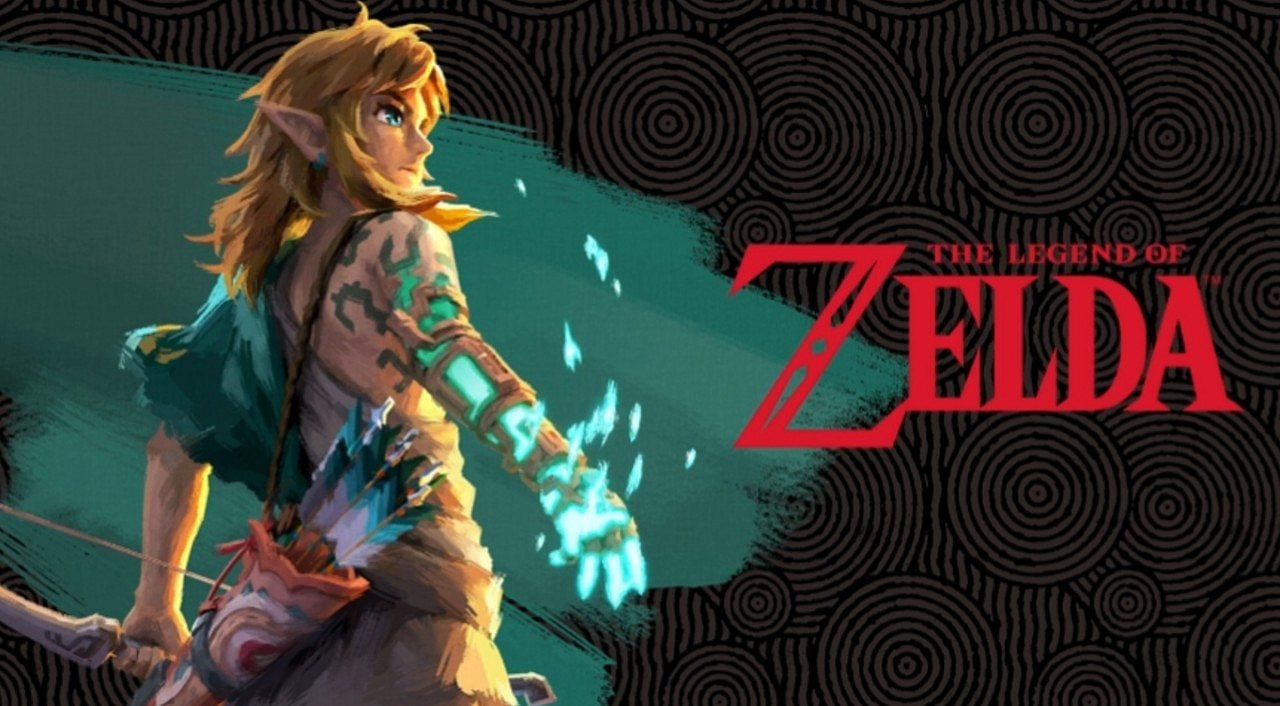
Almost three decades after revolutionizing the industry on the Nintendo 64, in November 1998, The Legend of Zelda: Ocarina of Time continues to have the highest rating in the history of the Metacritic aggregator, boasting 99 points. Since that time, Link’s adventure has been adapted for the 3DS portable and integrated into the Nintendo Switch Online digital catalog, however, the community’s desire for a recreation built from scratch has never diminished.
The video game industry’s 2026 calendar has proven unpredictable, but the promise of a return to Hyrule has emerged as the year’s main event. Although the release window is approaching, the mystery surrounding development is still immense. Recently, the discovery of an alleged billing label for the work raised a red alert and started intense discussions among admirers of the franchise.
Retailer anticipates supposed cost of the new version of the Nintendo classic
E-commerce site PlayAsia has launched a page dedicated to pre-ordering The Legend of Zelda: Ocarina of Time Remake, showing the price as US$59.99. As the creator of Mario has not yet commented on the matter, it is necessary to observe this number with great skepticism, as sales platforms usually insert temporary figures into their systems. Despite this reservation, several internet users began to treat the data as definitive, suggesting that the Japanese giant was trying to maintain financial accessibility in an era where launches are increasingly expensive.
Currently, the US$80 level has become the norm for large digital entertainment productions, raising questions for Nintendo itself when Mario Kart World hit the shelves under this new reality. Regardless of corporate choices, the fact that super productions like GTA VI adopt this same billing range makes the public carefully analyze every financial movement of the Asian company.
Taking into account the magnitude and historical importance of the Hero of Time’s journey, the possibility of purchasing the title on the highly anticipated Switch 2 for “just” US$60 would be seen as a huge advantage for consumers.
Learn more: Leak points to Nintendo Switch 2 with special edition of Zelda remake
The company’s recent history shows that the reimagining of Star Fox 64 also hit the market in 2026 charging exactly the same amount, which could signal a standardization of costs for projects of this nature. On the other hand, market analysts believe that this more modest pricing reveals specific technical choices behind the scenes of development.
Community divides opinions on the level of graphical and mechanical updates
So far, the promotional material released has only shown a brief cinematic sequence, revealing an art direction quite different from that seen on tube televisions in 1998. The supposed reduced price made part of the public fear a superficial treatment, drawing parallels with the disastrous launch of Grand Theft Auto: The Trilogy – The Definitive Edition. On that occasion, Take-Two Interactive suffered harsh retaliation for charging full price for a package full of technical flaws and textures generated by artificial intelligence without any refinement.
The owner of billion-dollar franchises would hardly make a mistake of this magnitude, especially when it comes to her most critically acclaimed intellectual property. Furthermore, it wouldn’t make sense to present a concept video with new visuals if the final product didn’t reflect that same aesthetic quality.
A considerable portion of players dream of substantial additions, including new narrative arcs, complex side quests and a much deeper exploration of Hyrule Castle Town. For these enthusiasts, modernizing the work requires expanding its universe, and not just polishing the old polygons.
More on this story: Images of the Pro controller and Nintendo Switch 2 in Zelda’s 40th anniversary edition leak
On the other hand, debates on social network X show that many veterans prefer a conservative approach. One of the participants in the discussion stated that he did not want larger maps or intrusive guides, highlighting that the ideal would be a recreation that allowed the player to rediscover the scenarios on their own, without the developer’s hand guiding each step.
The same internet user argued that he spent years exploring every corner of the original cartridge and fears that attempts to improve the experience will end up destroying the magic of the time. For him, a purely visual update, extremely polished and faithful to the source code, would be far superior to an expensive reinvention that would destroy the essence of the adventure.
On the same topic: Nintendo reveals game schedule for July 2026 with news on Switch and Switch 2
Another fan joined the conversation to remember that the revolutionary Breath of the Wild also cost US$60 at launch and delivered colossal and impeccable content. In his view, the internet spends too much energy trying to guess the quality of software based solely on its sales tag.
On the Reddit forums, the atmosphere of tension was evident through more heated comments. One user has made it clear that they will accept the project with open arms if it is a full rebuild, but will boycott the release if it is just a lazy remaster.
Following the same line of reasoning, another member of the platform declared that he will not open his wallet to buy an exact copy of the old game only with increased resolution. He hopes that the Asian store leak is not an indication that the scope of the project has been reduced.
Regardless of the controversies and fan demands, the historical weight that the name Ocarina of Time carries is enough to guarantee astronomical numbers at the virtual box office, whatever the depth of the changes implemented by the programmers.
More on this story: Nintendo files patent for universal dock to integrate Switch and Switch 2
If Nintendo manages to deliver a modernization that lives up to the most optimistic expectations, it will consolidate yet another overwhelming victory in the current generation of consoles. This success would come at a crucial time, contrasting sharply with the turmoil and criticism that Sony and Microsoft have been facing in their respective gaming divisions.