

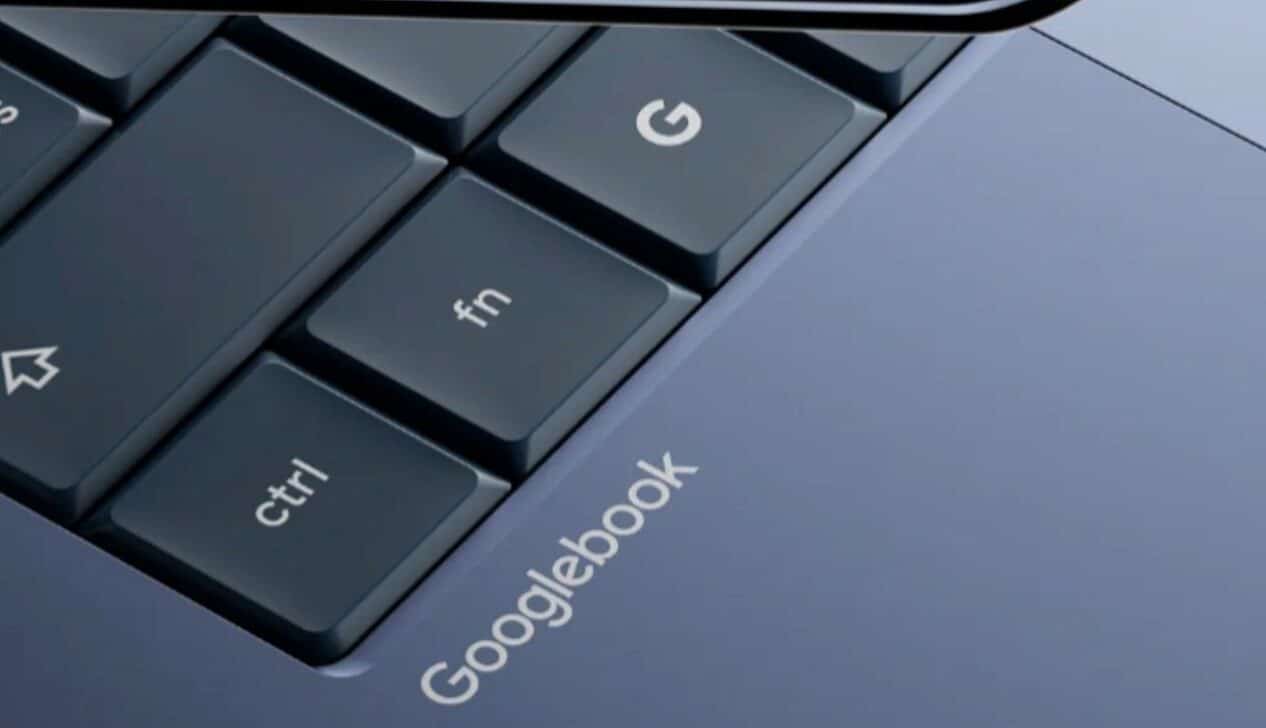
The technology giant confirmed its expansion into the portable computer sector by announcing an unprecedented family of devices equipped with the company’s mobile operating system. Named Googlebooks, these devices differ greatly from the cloud-focused proposal of the brand’s current models, betting on the native presence of the Gemini assistant directly in the hardware. The schedule foresees its arrival on shelves in 2026, the result of strategic alliances with established automakers such as Lenovo, HP, Dell, Asus and Acer.
This commercial movement represents a significant turnaround for the company, which spent the last ten years consolidating a browser-based platform, whose equipment will continue to be manufactured normally. The new venture highlights the global industry’s race for machines driven by generative tools, a segment that, according to market analysts, still needs to prove its real need in the everyday lives of ordinary consumers to achieve massive sales.

Smart cursor tool changes the way you navigate the system
The great software difference presented for the new machines is called Magic Pointer, a mechanism that activates the Gemini’s functions, occupying the entire display, using a simple repetitive gesture with the mouse. When activated, the code performs a complete scan of everything open on the monitor, delivering responses and shortcuts based on the context of several programs running at the same time.
On the same topic: Computex 2026: check out the notebooks that stood out the most
During the official presentations, the company showcased the feature by selecting photographs and merging the files immediately using Nano Banana technology. Another function shown allows the user to point to dates within an email and receive an immediate suggestion to create an event on the calendar. This mechanic attempts to distance itself from the Recall solution, developed by Microsoft, which has accumulated controversies related to data security since it was revealed to the public.
In addition to this new feature, computers will also inherit Magic Cue, a feature that debuted on Pixel smartphones in 2025. The mechanism works in the background to suggest tasks and show relevant data by reading conversations and texts displayed on the display, eliminating the need to open the search engine to find additional information.
Learn more: Dell launches new XPS 13 with a focus on design and high performance
Home panel gains dynamic shortcuts based on daily use
The famous blocks of information generated by algorithms, which until then only worked on the brand’s phones, will make their debut in the work environment of new laptops. These small windows capture updates from the internet and specific company services to create a unique home screen for each profile, readjusting the visual format to take advantage of the horizontal space of the monitors.
Despite the expectations generated, the customization options delivered in this first version are more restricted than the market projected. The developers’ priority was to ensure that the space displays only essential data, preventing the machine owner from getting lost in complex visual configuration menus.
Advanced synchronization brings the computer experience closer to your cell phone
The planned ecosystem turns the notebook into a mirror of the user’s mobile device through invisible pairing. A specific area in the bottom bar displays the complete list of software installed on the paired phone, allowing any of them to run in an overlay window on the computer, ensuring fluidity between the two platforms.
File exchange between the two hardware occurs natively and instantly. Anyone with a cell phone in hand can send spreadsheets, images and entire folders directly to the laptop’s storage, eliminating the need for cables or the installation of third-party programs to mediate communication.
More on this story: NVIDIA officially announces the arrival of RTX Spark notebooks in the last quarter of 2026
Questions about installing programs and virtual stores persist
The exact architecture of the operating system still carries some shadow zones. Although executives avoid mentioning the brand of their mobile system in campaigns for the new product, the programming base is entirely based on it, which has historically been a challenge for productivity on large screens. However, this feature guarantees full compatibility with the Play Store, something that previous generation cloud-based devices did not offer with the same stability.
Behind the scenes, the company works on approving independent virtual storefronts, while blocking the direct installation of packages from outside its official environment. The level of freedom that consumers will have to modify the software remains a mystery, as the brand’s spokespeople preferred to remain silent when questioned, promising clarifications about partner developers only on the eve of its arrival in stores.
The main benefits of this architecture include:
- Execution of mobile software taking advantage of the entire screen size
- Direct access to the company’s official download catalog
- Real-time streaming of tools open on your phone
- Continuous updating of documents between connected devices
- Total immersion in the digital services offered by the search giant
Visual identity and assemblers responsible for hardware production
The owner of the search engine will not operate its own factories to assemble the equipment. The strategy repeats the successful formula of the past, delegating physical construction to the same industries that already dominate the low-cost notebook sector, confirming contracts with giants such as Asus, Lenovo, HP, Dell and Acer to deliver different ranges of performance and value.
The aesthetic feature that will unify all these different brands will be a light beam positioned on the external cover, a visual heritage rescued from old projects such as the Pixel C tablet. If in the past this light was only used to check the battery charge, now the manufacturer guarantees that the component will have practical use combined with design, although it maintains the secret as to what its true function will be.
The inclusion of this illuminated detail functions as a corporate signature to standardize products made by third parties. The tactic seeks to create immediate brand recognition in public environments, mirroring the cultural effect that the metallic apple generates on Apple equipment.
Learn more: Dell XPS line may adopt Google system to rival Apple MacBooks
The obstacle of proving that generative technology is essential
Even with all the engineering effort to embed Gemini in the core of the machine, the financial market and experts question whether the public really needs these innovations in their work computer. Recent history shows that the introduction of proactive assistants on the brand’s phones in 2025 has not changed society’s behavior, becoming just a forgotten detail in the routine of most buyers.
The rejection suffered by Microsoft’s photographic memory tool in 2024 serves as a clear warning about the limits of invasion of privacy in the name of digital convenience. The new line of portables arrives surrounded by this same skepticism: stage displays are visually impactful, but converting this into real productivity inside offices remains an empty promise.
The commercial debut scheduled for the coming months will take place in a scenario of declared war between the largest corporations on the planet over the dominance of virtual assistance. With major competitors such as Apple, Microsoft and the Asian companies Huawei and Lenovo pouring billions into the same concept, the year 2026 is shaping up to be the decisive moment that will dictate the rules of the next decade in personal computing.