Computex 2026: check out the notebooks that stood out the most

Computex 2026, held in June, will probably be marked as the edition where the notebook market had two simultaneous trends: the low-cost category became remarkably attractive and the high-performance segment presented peculiar innovations.
The launch of Apple’s MacBook Neo, which hit the market earlier, pushed Windows computer makers to offer well-built, affordable machines for the first time in years. Additionally, NVIDIA’s RTX Spark chip redefined the concept of a “high-performance notebook,” shifting the focus from dedicated GPU specifications to unified memory, Arm cores, and local artificial intelligence processing power. Several important models were revealed during the event.
Acer Swift Air 14: Acer’s answer to the MacBook Neo
The launch of Apple’s MacBook Neo, with a starting price of $599 (or 69,900 Indian rupees), created a challenge for Windows notebook manufacturers at the beginning of the year. Apple’s model was affordable, had an attractive design and great performance. Acer presented the Swift Air 14 as its main alternative to compete directly in this segment.
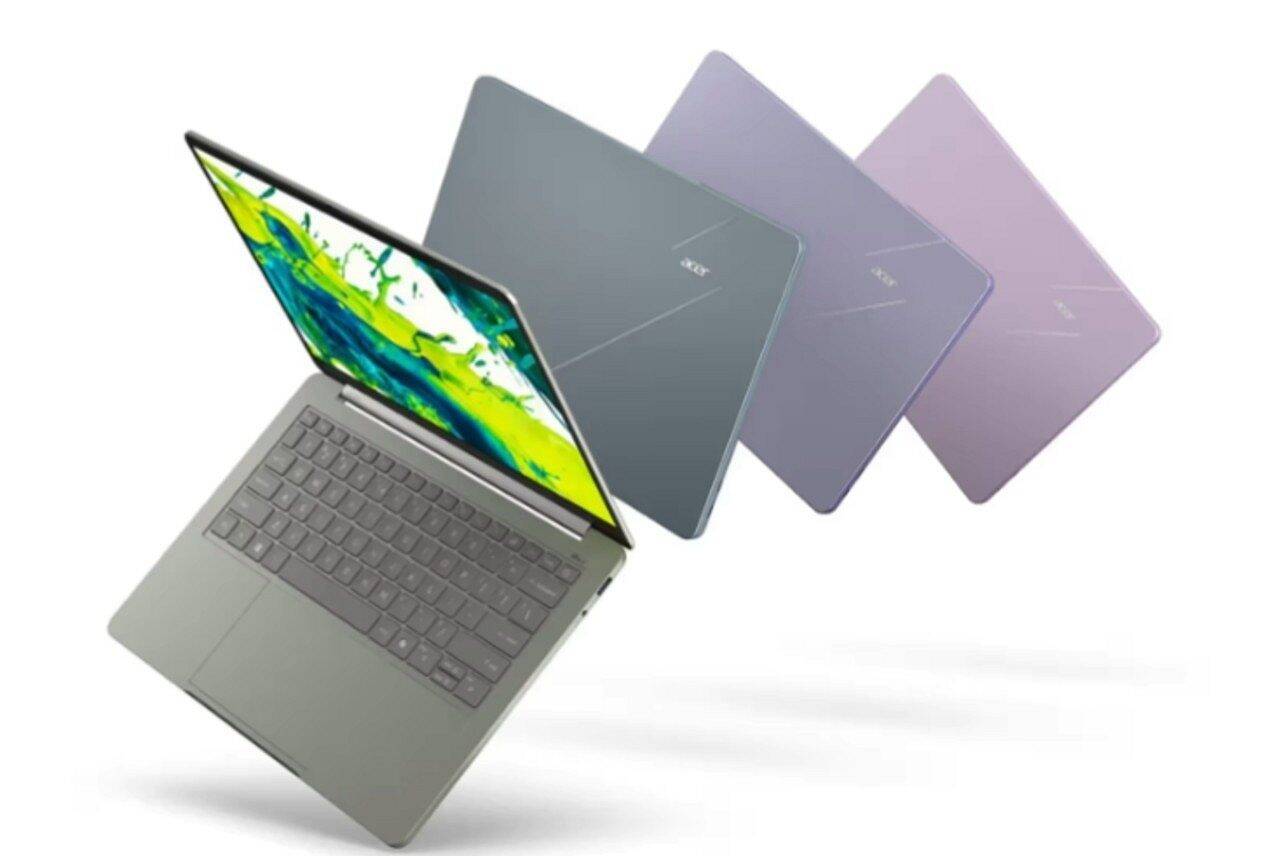
In the United States, the Swift Air 14 starts at $699 and is equipped with Intel Core Series 3 processors, reaching up to Core 7 350. The device weighs 1.25 kg, is just 12.9 mm thick and is available in four different colors: sage green, ice blue, flower pink and lilac purple. Its 14-inch screen offers 1920×1200 resolution in a 16:10 aspect ratio with a 120Hz refresh rate. The 70Wh battery promises up to 19 hours of video playback, with a quick recharge that reaches 50% in 30 minutes.
This Swift Air 14 is not intended to be a high-performance machine. Its Core Series 3 processor, with an NPU of 17 TOPS, is below the capacity required for Copilot+ technology, and the maximum configurations of 16GB of RAM and 512GB of storage confirm its focus on cost-benefit. However, the great merit of the model is to present a Windows ultrabook with intentional design and real portability credentials, without traditional feature cuts. The inclusion of a quad-speaker sound system with DTS:X Ultra is a differentiator that is often absent in notebooks in this price range.
Acer Aspire Go 15: the first notebook with Snapdragon C processor
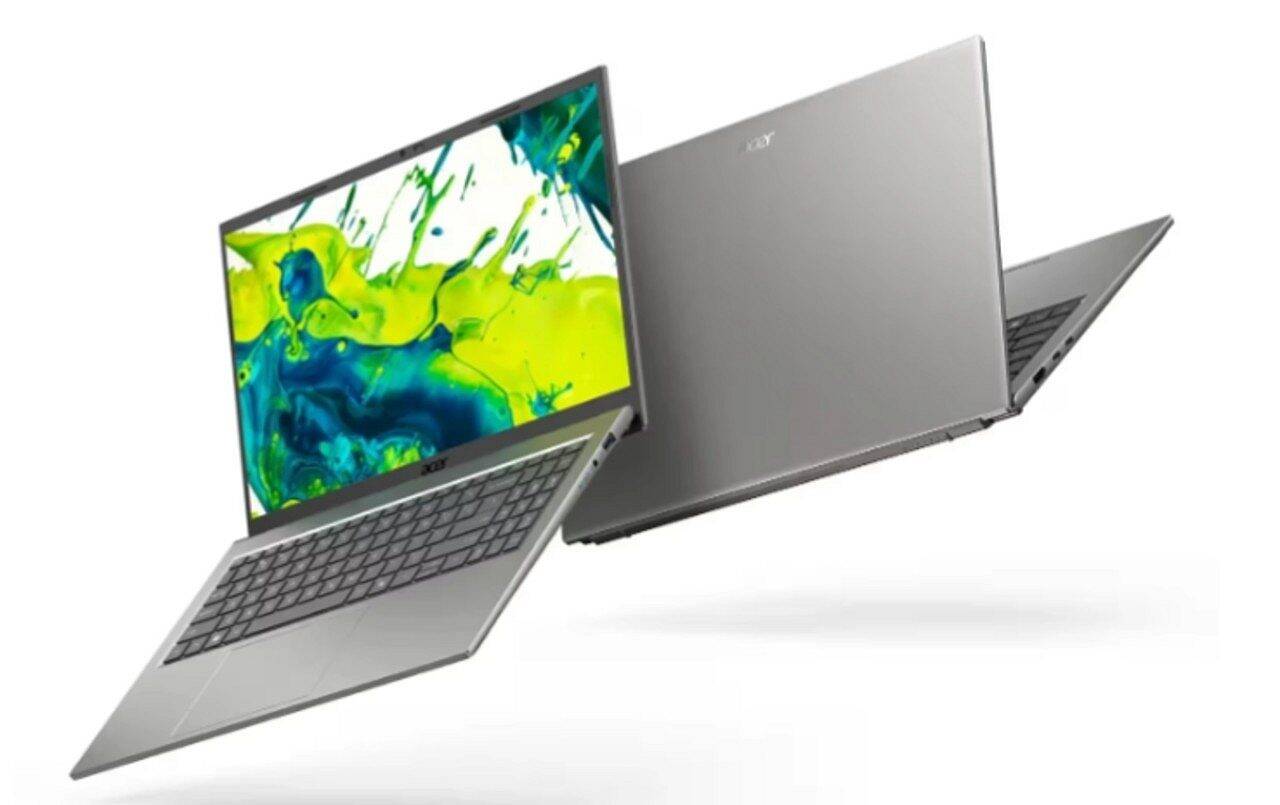
The Acer Aspire Go 15 stands out for an exclusive feature: it is the first device announced to use Qualcomm’s new Snapdragon C processor. This particularity makes it historically relevant, even before analyzing its other specifications.
The Snapdragon C platform represents Qualcomm’s foray into the low-cost PC market, targeting devices starting at $300. The Aspire Go 15 operates with Windows 11 Home on this new ARM chip, integrating an Adreno GPU, up to 8GB of RAM and storage of up to 512GB. Its 15.6-inch Full HD screen has thin edges and the 53Wh battery is designed to last all day.
However, the Go 15 has some limitations. The 8GB RAM limit means it’s ideal for internet browsing, document use and streaming, and the Snapdragon C chip is still a recent and largely untested platform.
Acer has not yet confirmed the price or launch date for the Indian market. Still, as the first commercial device with Snapdragon C, the Aspire Go 15 symbolizes Qualcomm’s attempt to popularize Arm-based Windows notebooks, bringing them into the price range where most consumers purchase computers.
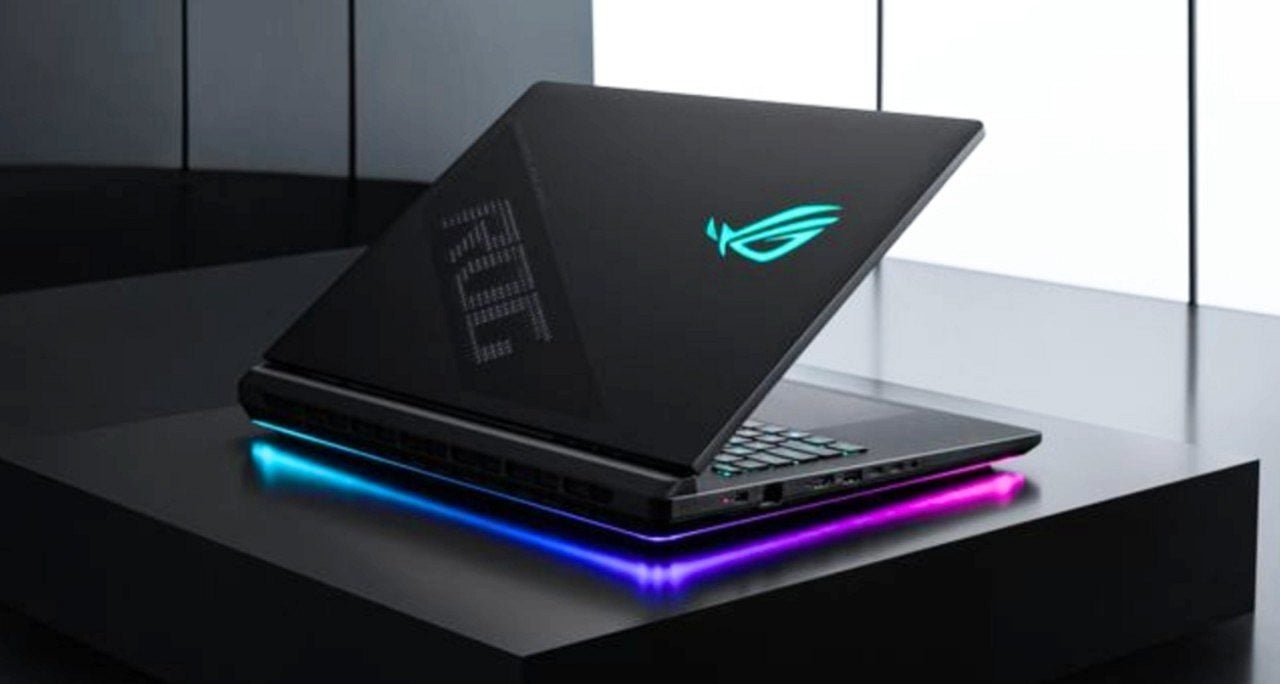
ASUS celebrates 20 years of ROG with the powerful Strix Scar 18 (2026)
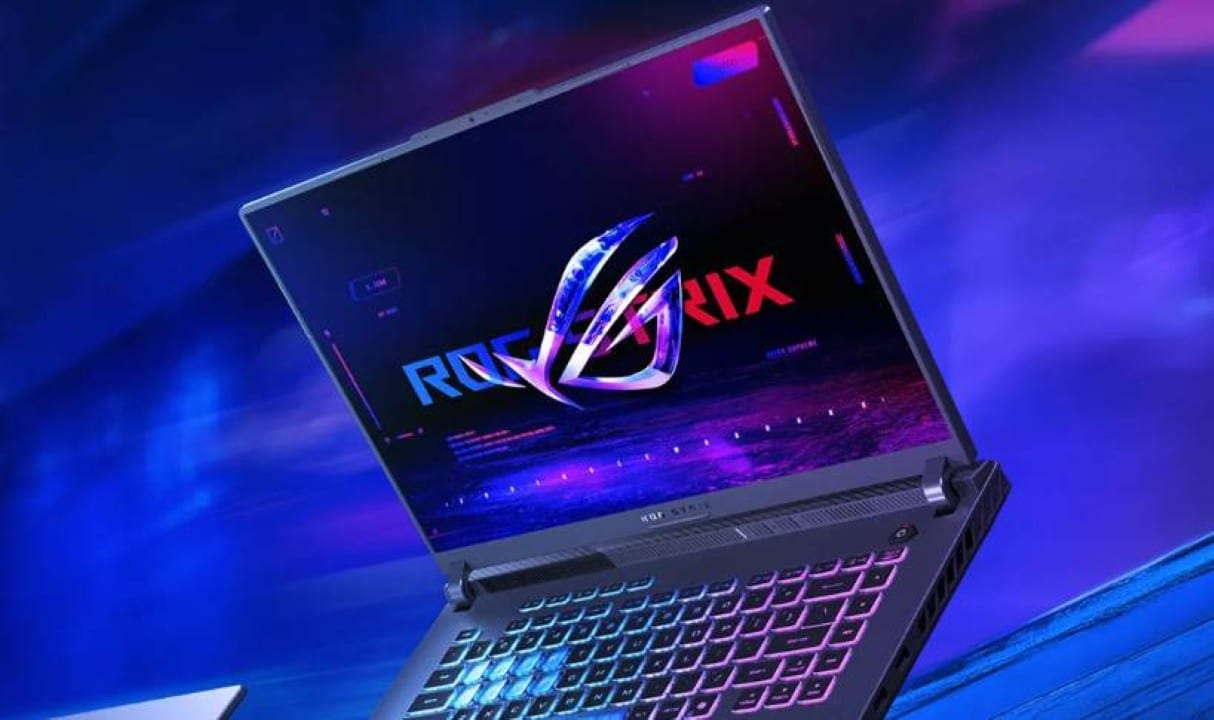
This year marks the 20th anniversary of ASUS’ ROG line, and the company chose to celebrate the date by creating what it considers to be the most powerful notebook it has ever produced.
The ROG Strix Scar 18 (2026) can be configured with an Intel Core Ultra 9 290HX Plus processor and NVIDIA GeForce RTX 5090 GPU for notebooks. The system achieves a maximum total power of 320W in Manual mode, with 175W dedicated to the GPU and up to 145W for the CPU.
The main feature is its screen: the world’s first 18-inch Mini LED notebook panel with 4K resolution and 240Hz. It features ROG Nebula ELMB (Extreme Low Motion Blur), more than 2,000 dimming zones, maximum brightness of 1,600 nits, 100% DCI-P3 coverage and AGLR (anti-glare, low reflection) technology which, according to ROG, improves contrast by 4.5 times compared to ordinary glass. Storage can reach 8TB in two PCIe Gen 5 M.2 slots, and RAM reaches 128GB of DDR5-6400 in two upgradeable slots.
The cooling system is robust: a vapor chamber 20% thicker than the previous generation, Conductonaut Extreme liquid metal applied to both the CPU and GPU, and a new three-fan design that, according to ROG, improves total airflow by 91% over the previous Scar 18.
The Scar 18 was launched as part of ROG’s 20th anniversary celebration at Computex and is now available on the ASUS website in the United States, making it one of the few announcements at the event with immediate availability.
ASUS ProArt P16 and P14: machines for creators with RTX Spark
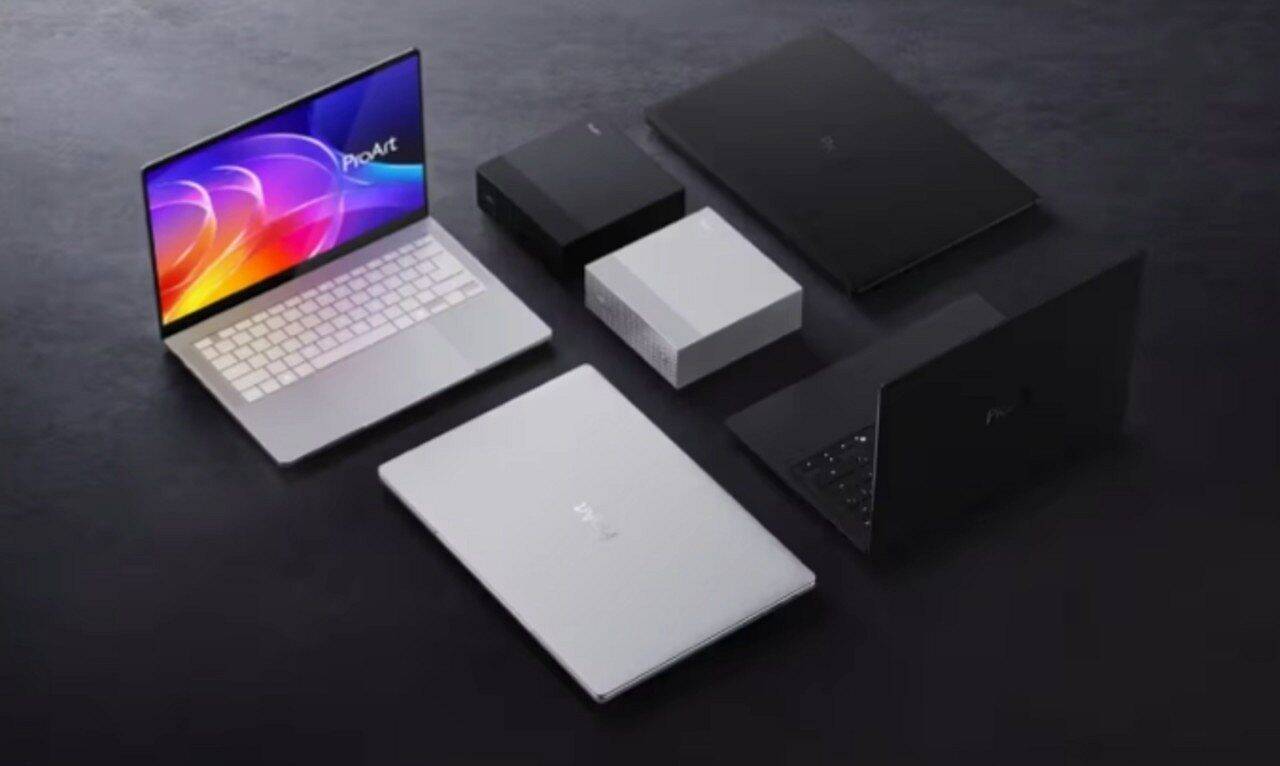
The ASUS ProArt P16 and P14 notebooks are among the first in the world to be equipped with NVIDIA’s new RTX Spark superchip, and perhaps represent the most complete implementation of this platform presented at Computex.
The RTX Spark integrates a 20-core NVIDIA Grace CPU with a Blackwell architecture RTX GPU, which has 6,144 CUDA cores and fifth-generation Tensor Cores FP4. All of these components are connected via NVIDIA’s NVLink-C2C chip-to-chip interconnect and supported by up to 128GB of unified LPDDR5X memory. The platform is capable of delivering up to 1 petaflop of AI processing power and can run 120 billion parameter language models locally with up to 1 million context tokens.
The ProArt P16 doesn’t skimp on the screen, offering a 16-inch Lumina Pro OLED touchscreen with 4K resolution and 120Hz, compatible with NVIDIA G-Sync. The display features Delta E color accuracy of less than 1, anti-reflective coating and maximum brightness of 1,600 nits.
ASUS also includes ProArt Creator Hub software, along with AI-assisted tools like MuseTree and StoryCube. Model availability will begin in fall 2026 in select regions, with pricing yet to be revealed.
Dell XPS 13 (2026): strong competitor to the MacBook Neo
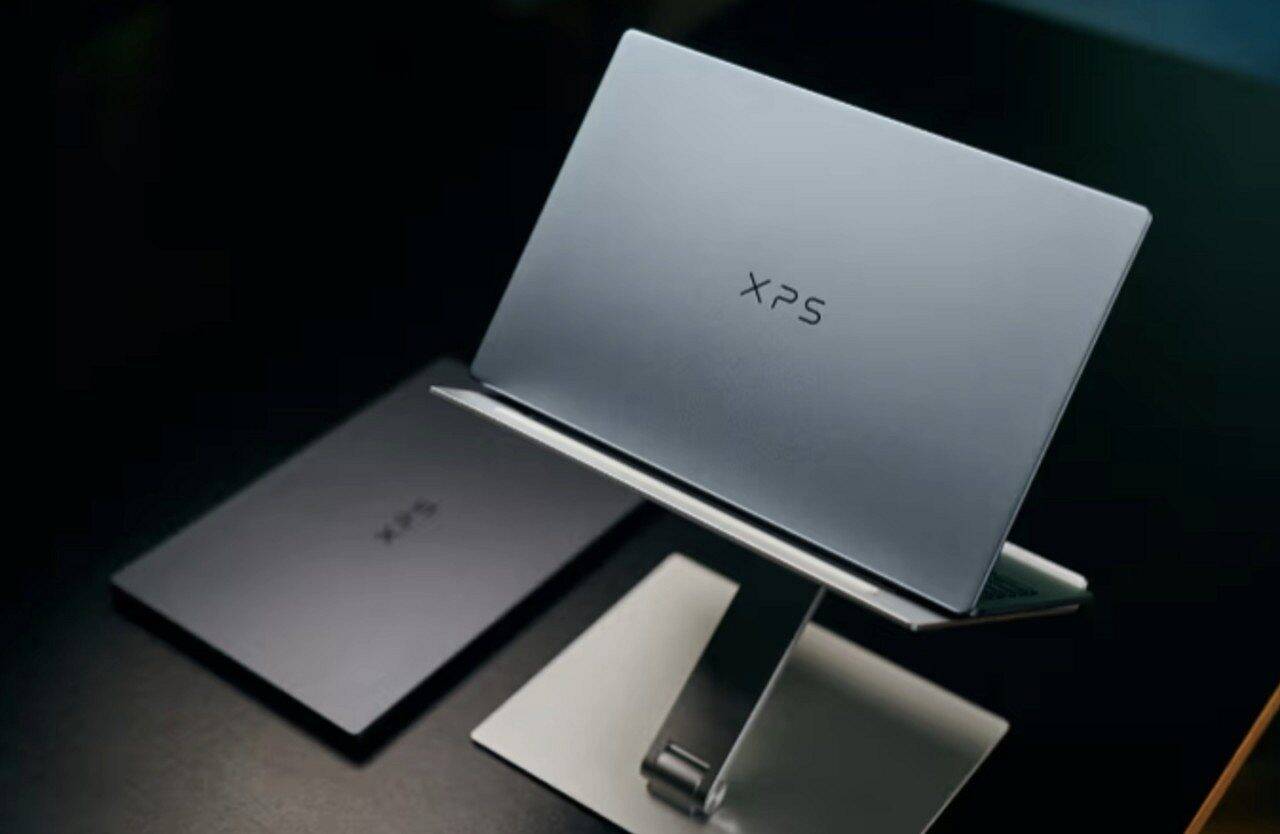
Dell’s response to the MacBook Neo could be one of the most interesting presented at Computex. The XPS 13 (model DX13260) starts at $699 for the general public and $599 for students during the back-to-school period, matching the price of the MacBook Neo but with a different set of features.
The launch of the model features the Intel “Panther Lake” Core 5 320 processor, and a more powerful option, the Core Ultra 7 355, will be available after the initial period. The chassis weighs 0.9 kg and is 12.7 mm thick, making it the thinnest and lightest XPS notebook ever made by Dell. Its construction is made of CNC machined aluminum. The base configuration includes 8GB of LPDDR5x RAM and 512GB of PCIe Gen 4 storage, with options up to 32GB of RAM and 1TB of storage.
Where the XPS 13 surpasses the MacBook Neo, at least in specs, is in connectivity and features. It has two USB-C ports with Thunderbolt 4 on the Core Ultra models, Wi-Fi 7 (compared to the Neo’s Wi-Fi 6E), a four-speaker system with 8W of power and Dolby Atmos (compared to the Neo’s two speakers), a 1080p webcam with infrared for facial unlocking via Windows Hello, a 120Hz screen and a backlit keyboard. The Neo, in turn, does not offer backlighting on the keyboard, while the XPS 13 does not have a headphone jack, which represents a trade-off.
HP presents the OmniBook Ultra 16 and OmniBook X 14: the thinnest with RTX Spark
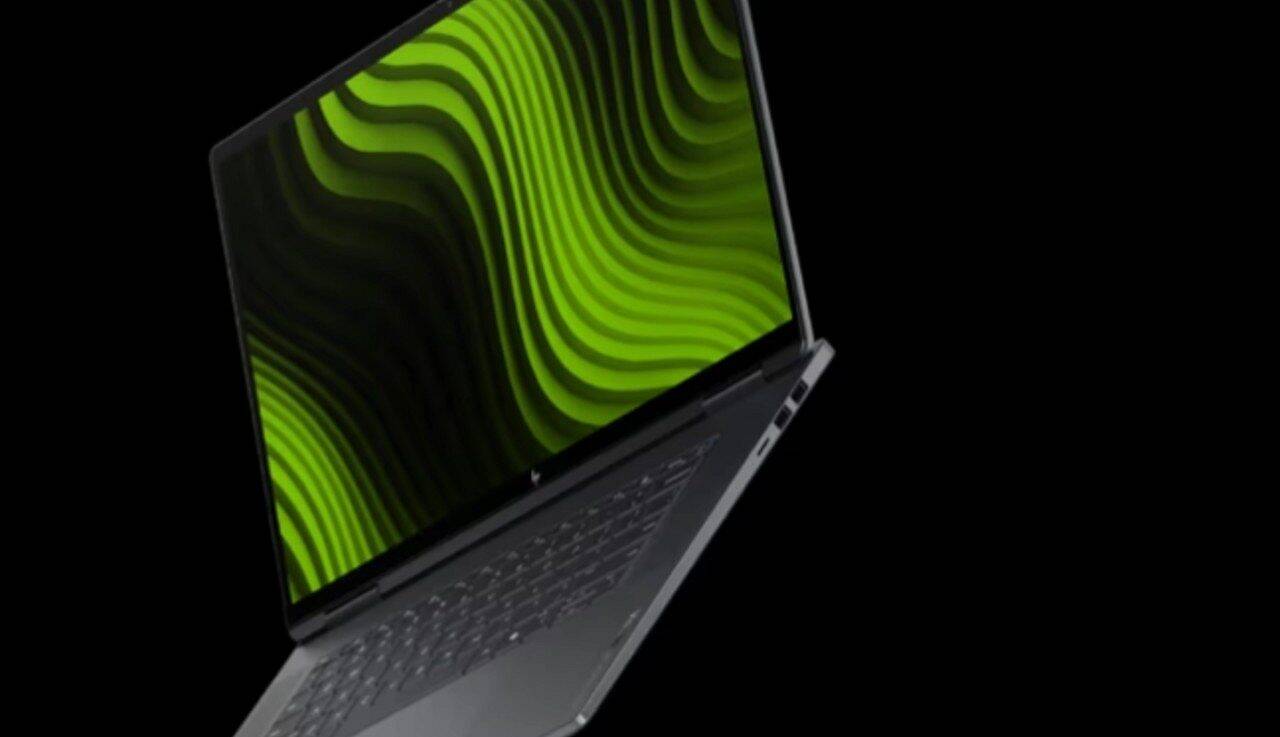
HP’s foray into RTX Spark technology comes with a specific claim: its new models are the world’s thinnest notebooks powered by the platform. HP presented the measurements that support this statement: the OmniBook Ultra 16 has a rear height of 15.73 mm, and the OmniBook
Both notebooks are built around NVIDIA’s RTX Spark superchip, which includes a 20-core Grace CPU, RTX Blackwell GPU with 6,144 CUDA cores, and support for up to 128GB of unified LPDDR5X memory, delivering up to 1 petaflop of AI computing power. HP designed these machines with AI-focused creators, developers, and workflows in mind, positioning them as pre-configured platforms with OpenClaw-based starter kits and agent framework support, which shortens setup time for developers who require local AI environments.
The OmniBook Ultra 16 represents HP’s bet on the professional creative market, targeting users looking for a 16-inch machine that doesn’t look like a desktop replacement. The OmniBook X 14 falls into the portable productivity category, where the existing version of the OmniBook X with Snapdragon X Elite already enjoyed a solid reputation for its efficiency and autonomy. Full specifications, pricing and availability details have not yet been released. Both are expected to be launched later in 2026.
Lenovo Yoga Pro 9n: the RTX Spark model for creators
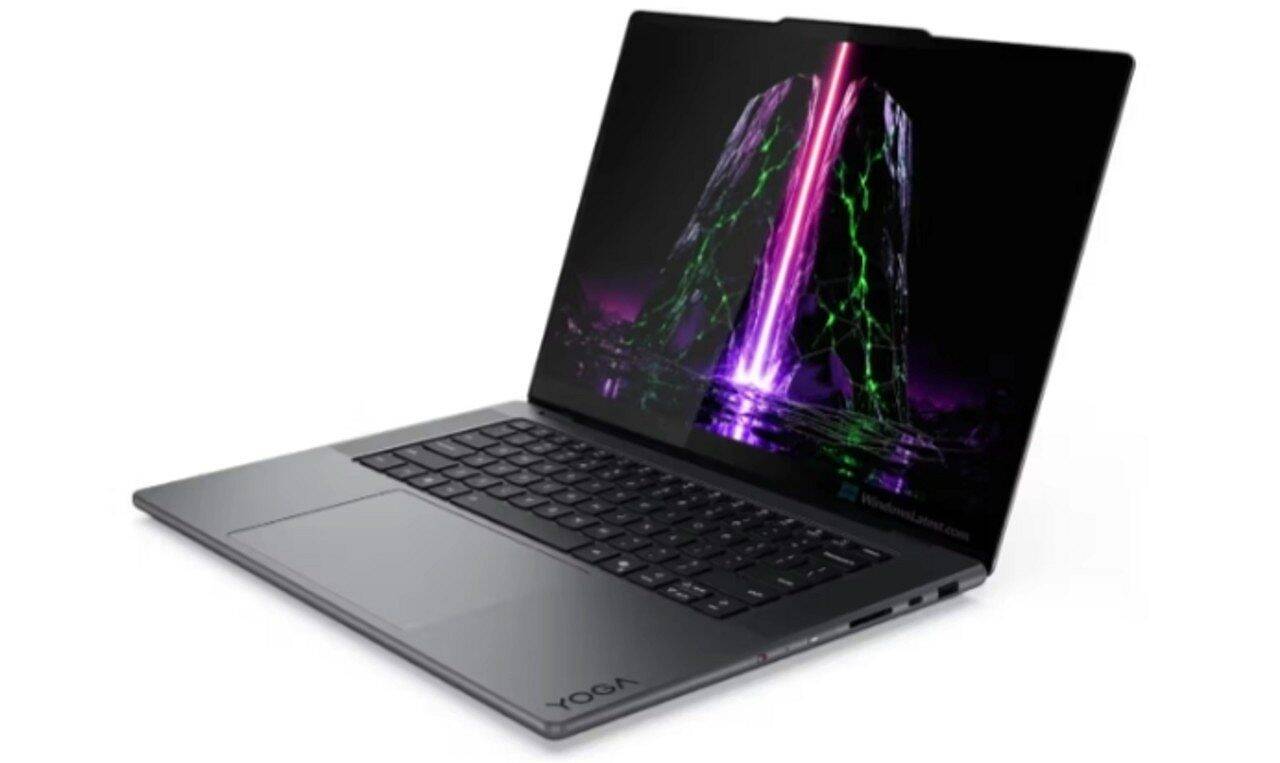
Lenovo has simplified the nomenclature: the Yoga Pro 9i is the Intel version, while the Yoga Pro 9n is the NVIDIA model. The 9n is Lenovo’s first notebook built with the RTX Spark and, according to what Computex participants were able to observe at the event, it maintains the consolidated design language of the Yoga Pro 9i, but adapts its internal components and port configuration to the new platform.
At the core of the RTX Spark chip is a 20-core Grace CPU, comprised of 10 Cortex-X925 performance cores and 10 Cortex-A725 efficiency cores, combined with a Blackwell GPU that features 6,144 CUDA cores and fifth-generation Tensor Cores. The system supports up to 128GB of unified memory and offers 1 petaflop of AI computing power. The 15-inch chassis, made of Thunder Gray aluminum, features Yoga aesthetics and a large rear exhaust area, suggesting good thermal management to maintain the performance of the RTX Spark.
Unlike the Yoga Pro 9i, which uses a proprietary charging connector, the 9n adopts USB-C charging, in line with the RTX Spark’s Arm-based architecture. Lenovo reports that the battery lasts all day. However, price and release date have not been disclosed.
Microsoft Surface Laptop Ultra: the flagship model with RTX Spark
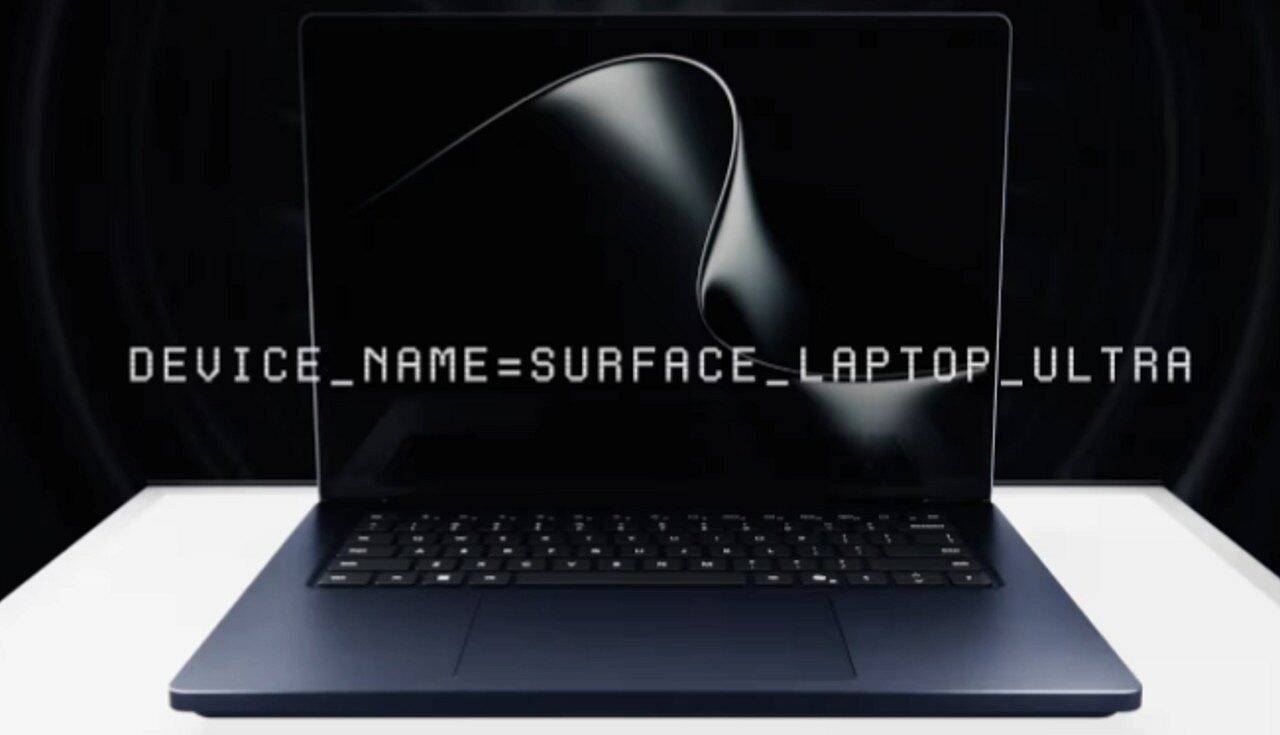
Microsoft has described the Surface Laptop Ultra as the most powerful Surface device the company has ever built. The justification for this claim is clear: this is the first Surface notebook to run on an NVIDIA chip since 2012’s Surface RT, which used a Tegra processor.
The Surface Laptop Ultra is powered by the RTX Spark, which delivers a 20-core Grace CPU, an RTX Blackwell GPU with 6,144 CUDA cores (NVIDIA compares its performance to that of an RTX 5070 within the platform’s power envelope), and up to 128GB of unified LPDDR5X memory.
This model can run 120 billion parameter AI models locally. The screen is a 15-inch PixelSense Ultra mini-LED touchscreen, with a resolution of 2,880×1,920 and a 3:2 aspect ratio. It reaches up to 2,000 nits of maximum HDR brightness, making it apparently the brightest display ever launched by Microsoft on a Surface.
The relevance of the Surface Laptop Ultra lies in the combination of its architecture and the identity of its manufacturer. Microsoft is building its flagship professional notebook with NVIDIA’s first consumer PC processor platform, thus endorsing RTX Spark as the path forward for Windows on Arm architecture. Pricing has not been announced and its launch is scheduled for fall 2026.
MSI Prestige N16 Flip AI+: the most versatile 2-in-1 with RTX Spark
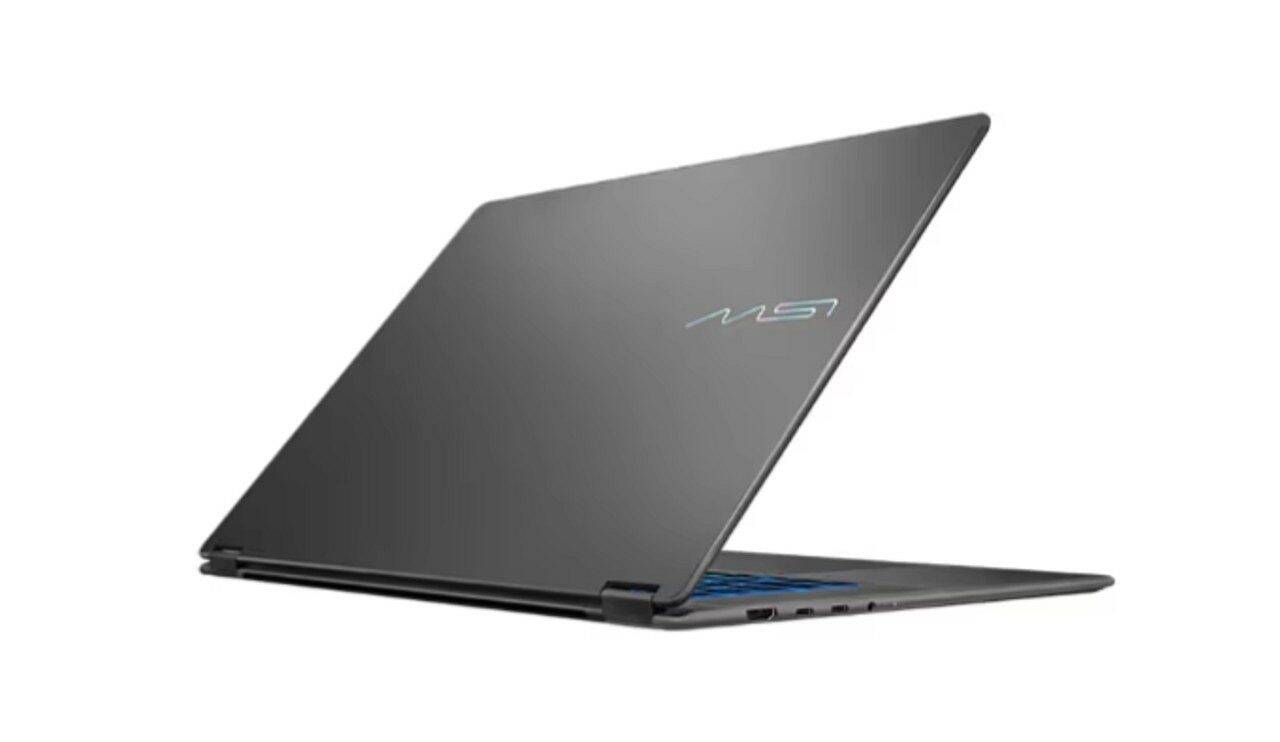
MSI holds the title of having built the world’s first 16-inch 2-in-1 convertible, powered by NVIDIA’s RTX Spark platform. This union of a large professional display, a 360-degree hinge, and unified AI computing power in a single device represents a significant innovation.
The Prestige N16 Flip AI+ features a 16-inch Tandem OLED UHD+ touchscreen, with a dual-layer emissive structure that stacks two OLED panels to share light output. This results in more than 1,000 nits of peak brightness, as well as greater panel durability and energy efficiency compared to standard OLEDs. Touch and pen inputs, via the MSI Nano Pen, are included, while the 360-degree hinge allows for notebook, tablet, tent and presentation usage modes.
At its core is RTX Spark: a 20-core Grace CPU, 6,144 Blackwell CUDA cores, up to 128GB of unified memory, and 1 petaflop of AI compute. MSI positions this machine for creators who want to work locally with large models and creative pipelines without giving up portability, and for gaming when necessary with full RTX features, including DLSS, G-Sync, and Reflex. No release date or price has been set globally.
MSI Prestige 14 Flip AI+ Vincent van Gogh edition: art meets performance
The MSI Artisan Collection made its return at Computex 2026 with its boldest edition yet. The Prestige 14 Flip AI+ Vincent van Gogh Edition is inspired by two of van Gogh’s most famous night paintings, “The Starry Night” and “Starry Night Over the Rhône”, reproduced on the lid in two distinct variants.
MSI didn’t just print the artwork on the lid. The finish uses layered materials and light-reactive treatments to simulate the texture and movement of van Gogh’s brushstrokes, with the MSI logo discreetly integrated into both compositions. The previous year’s Prestige 13 AI+ Ukiyo-e edition sold out quickly and is now resold for up to $3,000, which justifies the ambition behind this successor. The package that comes with the Van Gogh Edition includes a wireless mouse, two art-themed mousepads, a keyboard cover, badge, protective pouch, and Van Gogh-themed packaging.
Beneath the art lies a capable machine. The Prestige 14 Flip AI+ operates with Intel Core Ultra Series 3 processors, specifically the Core Ultra X9 378H with integrated Intel Arc B390 graphics, and offers up to 64GB of LPDDR5X RAM and up to 2TB of NVMe PCIe Gen 4 storage. Pricing has not been disclosed.

MSI Katana series: return confirmed for the Indian market
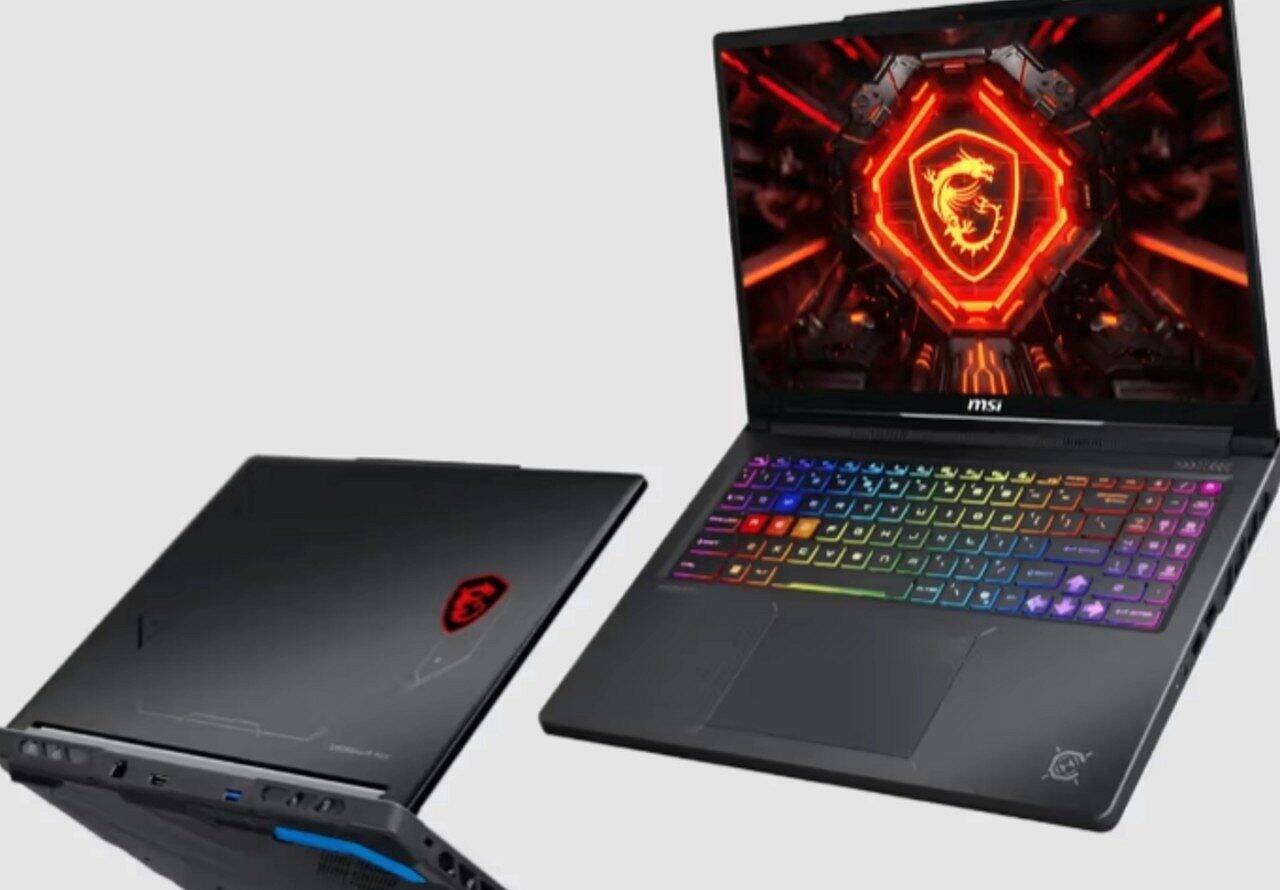
The MSI Katana series returns to India, important news for Indian consumers, as the Katana line has historically been one of the most practical ways to purchase mid-range gaming notebooks.
The 2026 Katana 15 HX is aimed at casual gamers, featuring Intel Core i9 or i5 HX processors, combined with an NVIDIA GeForce RTX 5070 GPU for maximum power notebooks, totaling up to 170W of combined CPU and GPU power. The display is a 15.6-inch FHD panel with a 144Hz refresh rate, and the chassis includes a customizable 4-zone RGB keyboard. MSI positions this model as the affordable gateway to RTX 50 series performance, ideal for users upgrading older systems or new to PC gaming.
The Katana line maintains its intentional positioning: it is not a thin device, nor does it try to be. The trade-off for consumer GPU power and high-power configurations is a thicker chassis, which manages thermal dissipation without compromising performance. Pricing and exact availability dates in India will be announced through official MSI India channels.
MSI Crosshair 16 HX: Solid performance for casual gamers
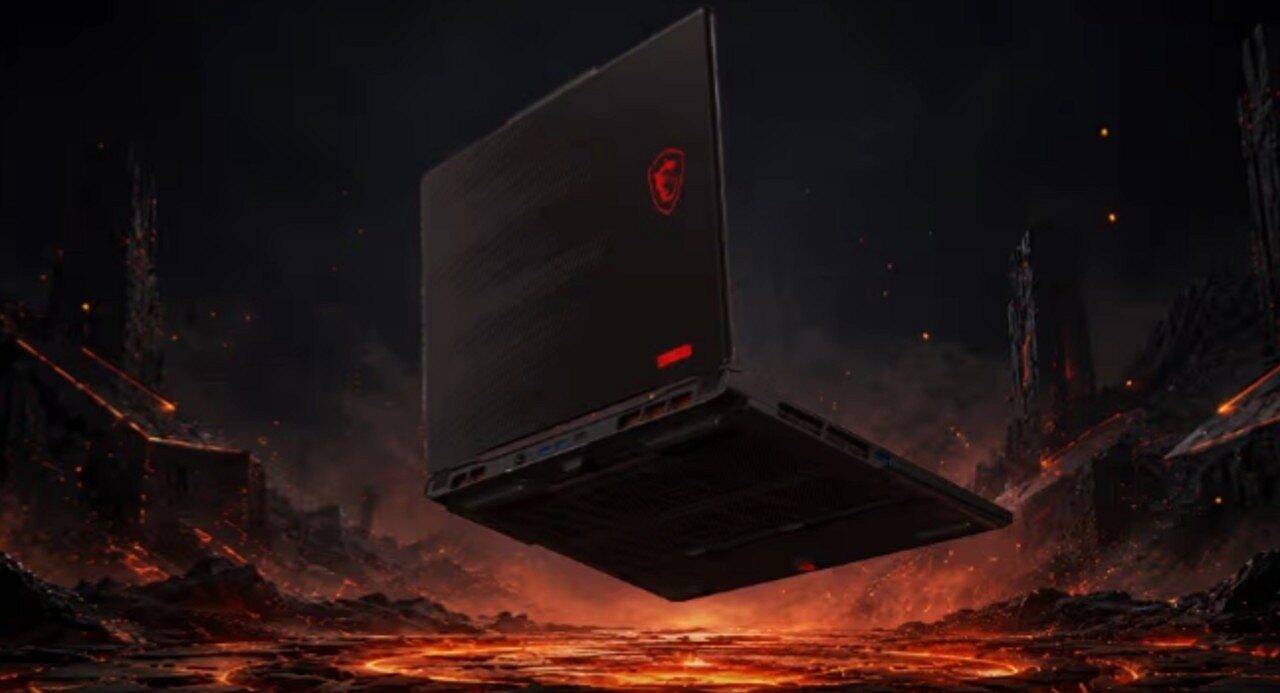
The MSI Crosshair 16 HX occupies an interesting position in MSI’s 2026 gaming notebook lineup. It’s aimed at gamers looking for something superior to the Katana, but who don’t need the high-end hardware of the flagship Raider or Titan models.
The 2026 version of the Crosshair 16 was significantly thinner at 21.9mm, which MSI says represents a 14.3% reduction compared to the previous generation. Even so, it offers up to 200W of combined CPU and GPU power, a 17.6% improvement. The standard Crosshair 16 HX model uses Intel Core i9-14900HX and Core i7-14650HX processors, combined with RTX 5070, 5060 or 5050 GPU options for notebooks, all with 8GB GDDR7. The standard Crosshair 16 HX’s display is a 2.5K, 240Hz IPS panel. Cooling is done by MSI’s Cooler Boost system, with two fans, five heat pipes and four exhaust outlets. An 80Wh battery is standard across the Crosshair 16 range.
The Crosshair 16 Max, a more premium version, raises the specifications to Intel Core Ultra 200HX Plus processors and an RTX 5070 GPU, featuring a 2.5K and 165Hz OLED panel instead of IPS. Ports on both models include three USB-A, two USB-C (one Thunderbolt 4 on the Max model), HDMI and Ethernet. For the Indian market, MSI India confirmed that Computex 2026 products will arrive in the country, with prices and dates to be announced through official channels.