

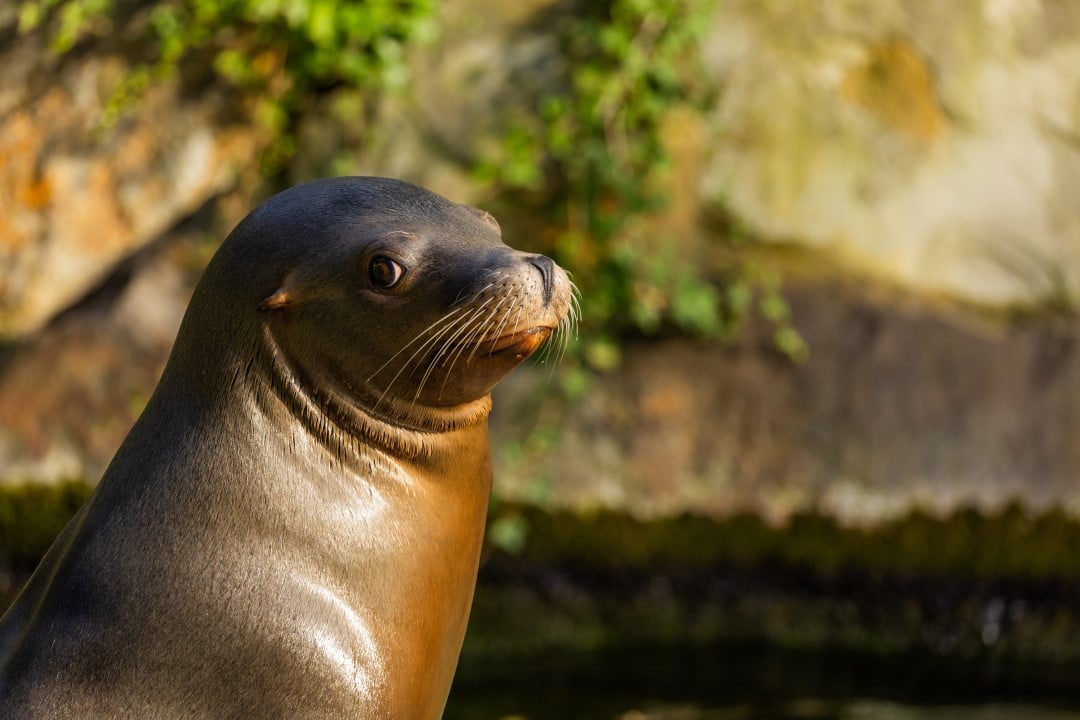
Australia has confirmed the detection of the H5N1 bird flu virus in 102 wild seabirds, spanning five states across the country. This is the first record of mass death of birds due to the disease in Australian territory, raising an alert.
The central question is no longer whether the H5N1 virus can harm Australian wildlife, but rather how best to use all the tools available to protect the most vulnerable species.
Vaccination, although it cannot stop the complete spread of H5N1 among wild animals, may be essential to prevent an outbreak from wiping out all at-risk species in a given area. This would avoid devastating local extinctions.
Given this scenario, Australia needs to begin targeted vaccination of threatened birds. It is equally urgent that the country develop a strategy to protect seals and sea lions, thus preventing the wait from resulting in the deaths of thousands of individuals.
Existing policies and the need for less cautious actions
Australia already has a national policy that authorizes emergency vaccination of rare, protected and high-value birds, including animals in zoos, sanctuaries, breeding programs and some managed wild populations.
More on this story: Deadly bird flu in elephant seals spreads to other species and California beaches this year
The Australian government has also acquired an inactivated H5 vaccine, which does not contain the live virus, and is conducting pilot studies in non-poultry birds kept in captivity.
While these actions represent progress, they do not yet constitute a comprehensive public program like New Zealand’s ambitious and proactive approach, which vaccinated five of its rarest birds *before* the arrival of H5N1, offering an example of prevention.
Australian zoos and sanctuaries have received investment to strengthen biosecurity and maintain “security populations” in captivity. Pilot vaccinations are underway, but the government has not yet announced which threatened species will receive large-scale vaccinations, nor the locations and deadlines for this.
A crucial point is that the current policy does not cover non-avian species, excluding marine mammals, despite their proven vulnerability to H5N1. To date, no plans have been publicly announced for vaccination trials on seals or sea lions in Australia.
Learn more: New hunting tactic: Orcas make sunfish explode into thousands of pieces in the Gulf of California
How other countries have tackled bird flu in their wildlife
New Zealand acted preventively before the arrival of H5N1. After specific tests for each species, the country began immunizing around 300 breeding birds of rare species, such as kākāpō, takahē and black waders. These populations are kept in captivity or under close management, allowing for localization, double vaccination and monitoring of individuals.
The United States adopted measures after the death of 21 California condors, a critically endangered species, caused by H5N1. By October 2024, 207 condors in captivity and in the wild had been vaccinated. The vaccine was considered safe, with only two birds experiencing treatable adverse reactions.
France, meanwhile, carried out a vaccine trial on wild king penguin chicks on the French sub-Antarctic island of Crozet. The vaccine resulted in the production of strong antibodies that neutralize the virus, without the detection of adverse effects.
Although these programs do not guarantee the prevention of all infections, vaccination has the potential to mitigate the severity of the disease and thus reduce mortality in threatened populations.
Which species of Australian fauna are most threatened by bird flu?
Large-scale vaccination of free-ranging wild animals is not a practical measure. Most H5 vaccines require two doses, and capturing most wild animals is already a unique challenge, making recapture for a booster dose and blood tests even more difficult.
The most suitable candidates for vaccination are small populations of at-risk species that are easily accessible or that are already under some type of management. This includes endangered birds in zoos or breeding centers, or smaller, well-known colonies that already have regular tracking or management.
On the same topic: Bird flu outbreak affects new marine species and closes beaches on the California coast
The Australian government has released a list of species at risk, revealing that almost a fifth of the country’s bird and mammal species are at high, very high or extreme risk from the virus.
Five species of birds face extreme risk: the Christmas Island frigatebird, Houtman’s albatross, the Herald’s petrel and the Heard and Macquarie Islands imperial cormorant. Among marine mammals, the most vulnerable are the sea lion, the fur seal and the elephant seal, while the Tasmanian devil and the eastern quoll represent the most at-risk terrestrial species.
Decisions about vaccination must consider the risk of extinction, exposure to the virus, costs, vaccine effectiveness, the feasibility of reaching a sufficient number of animals, and the stress that capture could cause. It is essential that vaccination complements existing biosecurity, surveillance and conservation measures, and does not replace them.
Urgency of a protection plan for marine mammals in Australia
The H5N1 virus has already caused a devastating impact on seal and sea lion populations in South America and the Southern Ocean. In 2023, more than 17,000 southern elephant seal calves died in Argentina. An estimated 13,359 hatchlings perished on Australia’s sub-Antarctic Heard Island in 2025, reportedly due to the virus. In April, southern elephant seals were classified as vulnerable on the IUCN Red List, in part due to catastrophic mortality from bird flu. Recovery of these populations will take decades.
Among Australia’s most vulnerable seals are the endangered Australian sea lion, Australian and long-snouted fur seals, and southern elephant seals. Terns positive for H5N1 have already been detected in Seal Bay, on Kangaroo Island, the site of an important breeding colony of Australian sea lions. Australia’s sub-Antarctic Macquarie Island is home to a large breeding colony of southern elephant seals and, to date, remains free of H5N1.
Full coverage: Latest News (EN)
There is currently no avian flu vaccine developed specifically for marine mammals. A trial in the United States aimed at protecting endangered Hawaiian monk seals revealed that a vaccine originally created for cattle was safe in northern elephant seals and generated measurable antibodies.
This was the closest species for which a safe, conditionally licensed vaccine was available. Developing and approving an individual vaccine for each wild species is an expensive and time-consuming process. For this reason, conservation programs often adapt vaccines already approved for domestic animals.
Now is the time to act: Australia needs an immediate plan
Australia must urgently identify priority seal colonies, test candidate vaccines on a suitable surrogate species and plan how to implement vaccination. One should not wait to prove the susceptibility of these animals by observing the occurrence of more mass deaths.
Vaccination is not a definitive solution, but when a disease has the power to undo years of conservation efforts in a few weeks, one cannot hope for absolute certainty. It is essential to act before a catastrophe occurs.