

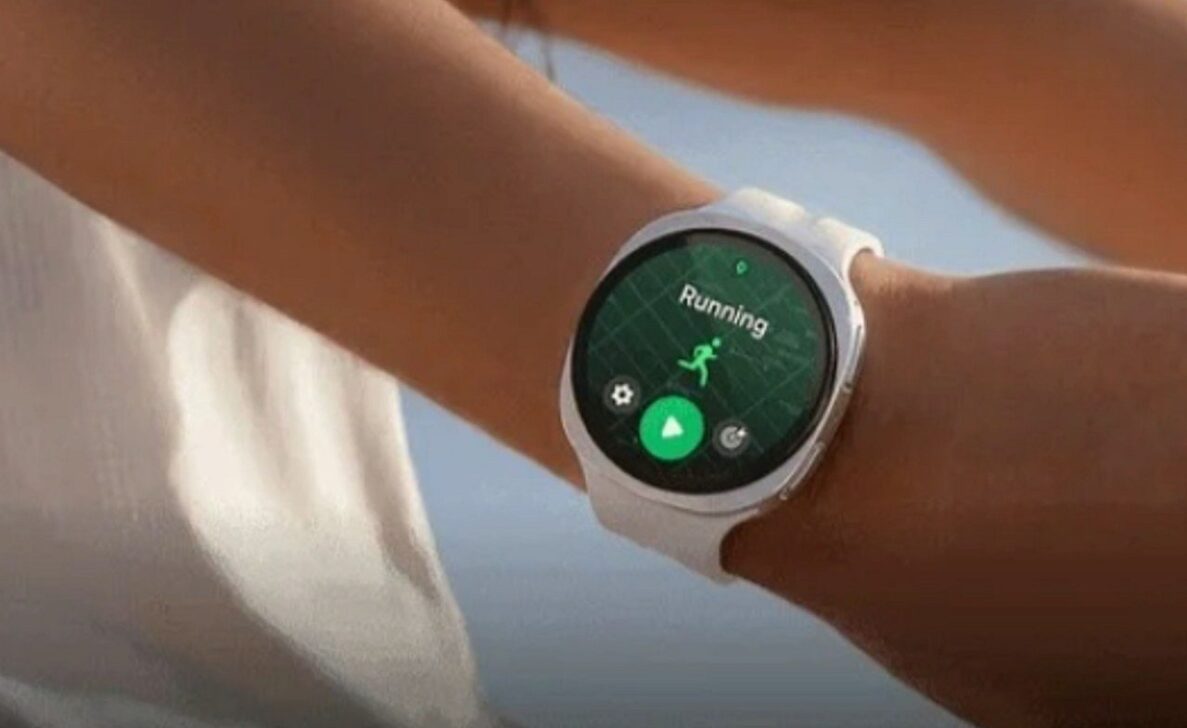
Samsung’s new smartwatch models, the Galaxy Watch 9 and Galaxy Watch Ultra 2, are experiencing a persistent slow charging issue, according to user reports. The delay, which can reach four times the official time published by the manufacturer, has led owners to look for unusual and improvised solutions, such as the use of table fans and even ice, to try to speed up the process.
The discrepancy between the promised and the reality of charging
On the same topic: Charging the Galaxy Watch 9 and Ultra 2 frustrates users, who use a fan and ice
Samsung reports that the time needed to recharge devices from 0% to 100% varies between 80 and 90 minutes. However, the daily lives of consumers show a different reality. Under regular room temperature conditions, users have reported that charging can take two to four hours to complete.
This mismatch between the technical specification and the practical experience of consumers generates frustration, especially for those who expect the efficiency of a product recently launched on the market. Charging delays directly affect the routine and convenience of using smartwatches, which are designed to always be ready.
Unusual methods to try to speed up the recharging of smart watches
Faced with slowness, some Galaxy Watch 9 and Ultra 2 owners have resorted to unconventional methods in an attempt to maintain recharging speed. In online forums and communities, users’ creativity stands out with reports of curious solutions.
One method involves pointing a fan directly at the smartwatch while it charges. Another user even applied thermal paste to the charging disk and placed it on ice to optimize cooling and thus sustain a higher energy rate.
More on this story: Thermal restriction cuts 30% of the speed of MacBook Pro 14 with M5 Pro chip in intense tests
Which models are most affected by slowdowns
The difference between the official charging time and the actual time perceived by consumers varies depending on the specific smartwatch model:
- Galaxy Watch 9 (40mm):Promise to charge in 80 minutes, with reports of real time exceeding 120 minutes (2 hours).
- Galaxy Watch Ultra 2:Charging is promised in 90 minutes, but users report a real time of up to 240 minutes (4 hours).
How thermal throttling impacts reload speed
The main cause of this variation in loading speed is the so-called thermal throttling. This safety mechanism is activated when the device detects excessive heating during the recharging process. To protect the battery and internal components from damage, the system automatically reduces the amount of power the device receives.
Tests carried out by some users have shown that the charging rate can drop from 5.5W to 3.5W or even less. This decrease in power is a preventative measure, but it directly results in extending the time needed to fully charge the watch. Thermal management is a constant challenge in compact electronics, where space for heat dissipation is limited.
Compatibility issues and the Galaxy Watch 6 charger
In addition to the slowness, Samsung’s new line of smartwatches has presented alleged compatibility flaws. Owners of the Galaxy Watch 9, for example, report on the company’s official forums that the device displays “slow charging” warnings or simply rejects power when connected to third-party bases and even the Galaxy Watch 8’s charger.
One detail that draws attention is the report that the charging disk from the old Galaxy Watch 6 can charge the Galaxy Watch 9 faster than the official cable that comes with the new model. This divergence suggests a possible software communication error in the releases’ firmware, indicating that the issue may be more complex than just a hardware problem.