

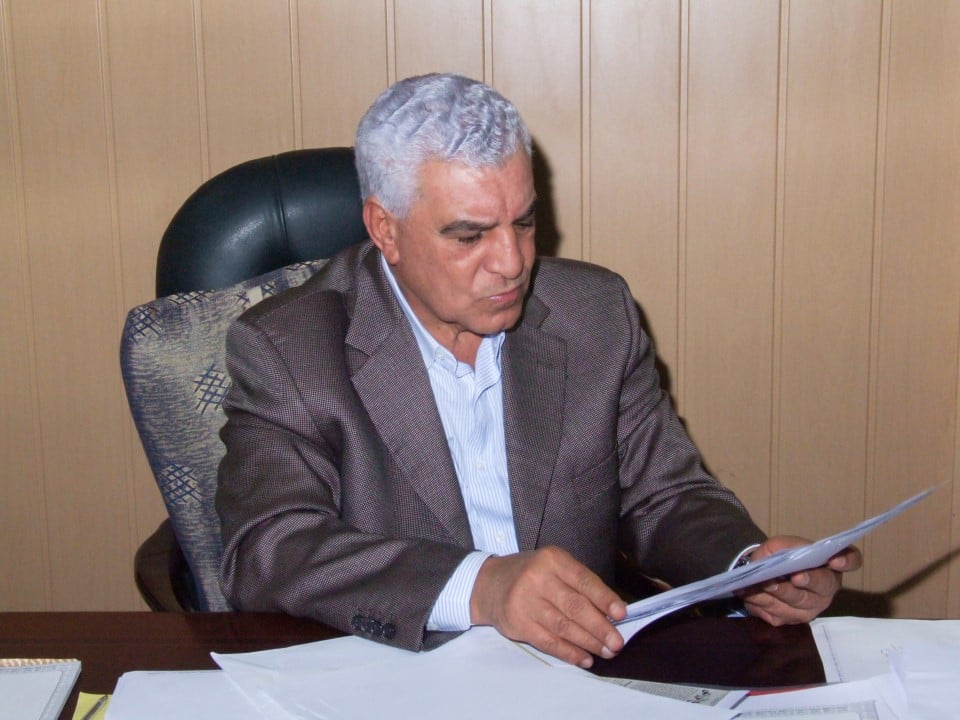
Zahi Hawass, one of the most renowned Egyptologists, said that a major archaeological discovery inside the Great Pyramid of Giza will “rewrite history”. The global dissemination of this finding, which promises to be impactful, is scheduled to take place in 2026.
During a panel discussion at the Sharjah International Book Fair, Hawass reported that this revelation is a new 30-meter-long passage. The tunnel, marked with the use of advanced equipment, ends in a door that he says will “rewrite a chapter in the history of the pharaohs.”
On the same topic: Ruins found next to the Colosseum indicate a fire base from the Roman Empire
To access previously unreachable regions within the pyramid, Hawass’ team used cutting-edge technologies, including specialized robots.
The Egyptologist also mentioned that he hopes to fulfill two long-held desires: the location of the tomb of Imhotep, the architect of the Step Pyramid of Djoser, the oldest in Egypt, and the discovery of Nefertiti’s tomb.

Imhotep: the search for the tomb of the legendary architect
Imhotep was an engineer and doctor from Ancient Egypt, recognized as one of the most important architects of that period. He is considered a central figure in the transition of Egyptian architecture, marking the beginning of stone construction.
More on this story: Archaeological finds that defy history: 13 surprising discoveries that rewrite the past
He is credited with designing and building King Djoser’s pyramid complex during the Third Dynasty of the Old Kingdom.
Hawass pointed out that Imhotep was a pioneer in changing buildings from mud brick to stone, and the first to employ columns and roofs in history.
According to Hawass, the discovery of Imhotep’s tomb would represent the most significant archaeological discovery of all time, possibly surpassing even that of Tutankhamun’s tomb. He claims to have evidence of the existence of this tomb.
Learn more: Egypt plans to reveal discovery in the Pyramid of Giza in 2026 that promises to rewrite history
The researcher also spoke about the Grand Egyptian Museum, describing it as “one of the greatest museums in the world”. Its vast collection includes more than 5,000 artifacts from Tutankhamun’s treasures, displayed in full for the first time.
Finally, Hawass addressed his campaign to recover Egyptian antiquities from foreign museums. He emphasized that this issue transcends a national concern, being “a historical and cultural right that needs to be restored.”