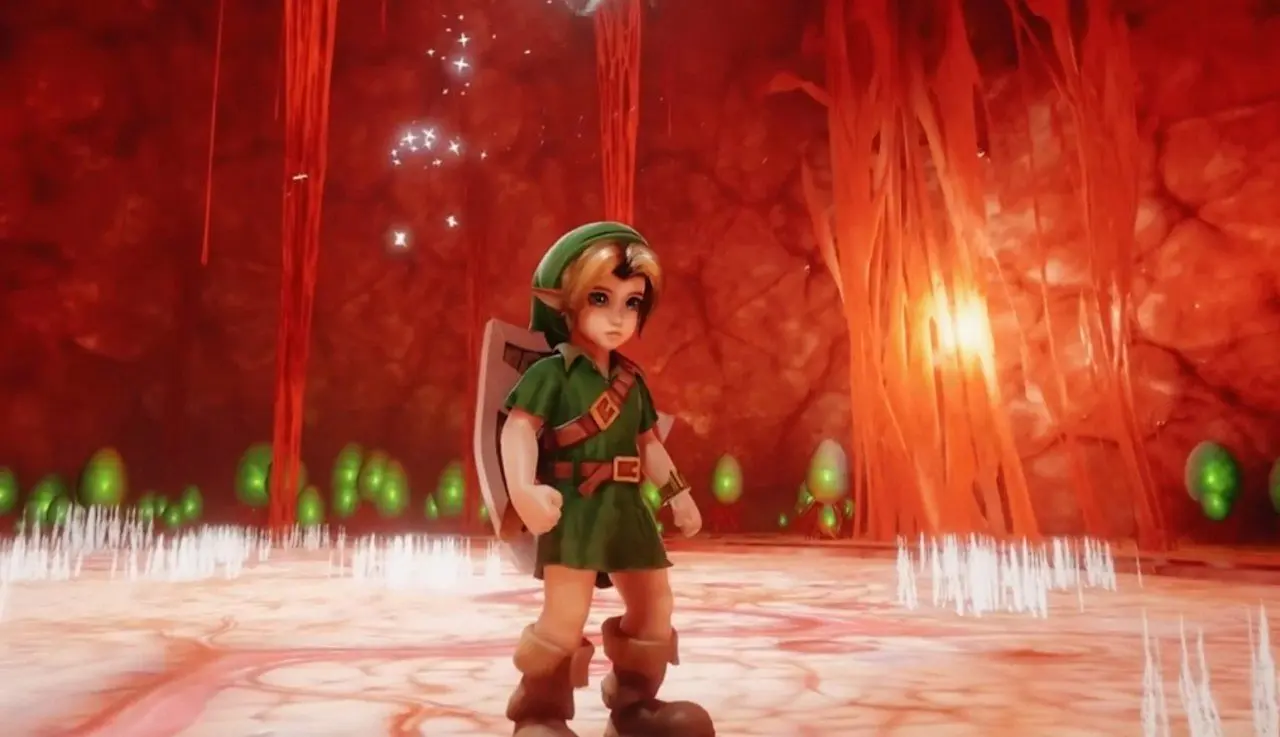
Bluepoint remake Demon’s Souls hits 30 fps on PS5 emulator

Independent software developers ran Demon’s Souls at 30 frames per second on personal computers through PlayStation 5 emulation tools this week after completing seven consecutive days of continuous code revisions. The team implemented targeted corrections across memory management protocols and graphics compilers, transforming a program that previously failed to load into software capable of rendering the Boletaria kingdom.
The performance breakthrough generated immediate interest across specialized technical forums. Community observers noted that the software advanced from an unusable state to functional rendering in a single week of targeted development. Independent programmers achieved this milestone by identifying core emulation faults that blocked basic execution.
Bluepoint Games remade the fantasy title and Sony Interactive Entertainment published the release, which previously collapsed with black screen errors and immediate crashes during boot sequences. Software engineers solved the instability by correcting GPU instruction bottlenecks and adjusting internal data tables to support heavy texture streaming.
Contributors restructured instruction decoding within the x86 architecture that modern desktop computers share with the console hardware. This technical adjustment lowered central processor utilization and stopped unnecessary computational overhead. Systematic benchmark tests confirmed rapid gains in runtime reliability across the entire operating cycle.
Code optimizations stabilize frame rates across complex game environments
Software engineers restructured the vertex and fragment shader interceptors so the proprietary game engine could translate dense geometric assets and complex volumetric lighting effects into functional machine instructions without triggering the sudden system crashes that previously froze testing computers. That barrier had stopped any practical navigation through the software configuration menus.
Frame rates held at 30 fps throughout these testing routines. Input latency dropped significantly. Developers stabilized visual output by writing dynamic locks that curbed wide oscillations during intensive sequences.
The synchronizing modifications addressed severe command lag that previously generated up to two seconds of delay between physical controller actions and on-screen responses. Verified hardware metrics recorded consistent frame times locked at 33 milliseconds.
Vulkan engine modifications resolve visual glitches in lighting pipelines
Translating custom RDNA 2 graphical routines from the PlayStation 5 console into universal PC programming standards presented significant architectural hurdles for the development group. Early build iterations produced corrupted light artifacts within global illumination routines and high-definition shadow arrays. Technicians rewrote major portions of the Vulkan graphics library to resolve visual defects across virtualized scenes.
Rocky floor textures and liquid surface reflections now render cleanly while players navigate the initial dungeon zones. Lingering visual errors still disrupt post-processing filters whenever several enemies appear simultaneously during combat sequences.
- Basic polygon rendering achieved operational stability without closing the running executable file.
- Video memory usage reached peak thresholds of 12 gigabytes during open-world traversal sessions.
- Analog controller response times decreased to levels comparable to physical console hardware.
- Average playback maintained 30 fps across enclosed indoor dungeons.
Central processing unit overhead fell by 25 percent after developers removed redundant debugging instructions from the internal runtime code. That strategic reduction prevented test systems from reaching critical thermal thresholds during extended operational runs. Hardware monitors documented lower operating temperatures across all active computing cores.
Hardware specifications dictate performance during intensive gameplay
Smooth software execution requires graphics hardware with native DirectX 12 Ultimate compatibility alongside a baseline allocation of 16 gigabytes of system memory. Modern desktop processors with eight cores and sixteen threads maintained target frame rates without encountering severe thermal bottlenecks.
Rigorous testing sessions confirmed system stability under sustained loads. Users on lower-tier PC configurations continued to report spontaneous application freezes during early dungeon navigation. These hardware limits highlight the resource demands of current virtualization tools.
Community testers reported minor spatial audio desynchronization during prolonged playthroughs inside the virtualized environment. Project engineers are reviewing player error logs to isolate driver-level audio bugs, and new code updates continue entering the public repository.
Storage bandwidth constraints preserve technical gaps with official hardware
Sony engineered the original console software to offer a fidelity mode locked at 30 fps alongside a performance configuration operating at native 60 fps. The emulated PC build remains restricted to the lower framerate threshold while lacking adaptive resolution options for ultrawide gaming monitors. Unlocking higher refresh rates will require deeper modifications to the core emulation software.
Conventional desktop drives lack direct access to the specialized high-speed solid-state bus found in the physical console hardware. Map files therefore take up to three times longer to populate system memory, extending loading sequences across non-console environments.